
Shankh Mudra: How to Practice and Its Benefits for Throat Health
Practice Shankh Mudra with Habuild. Follow the conch gesture steps to improve your voice quality, relieve throat Asanas, and support thyroid health. Start!
Key Takeaways
- Replicates the sacred conch, Shankha, one of Vishnu’s four divine attributes.
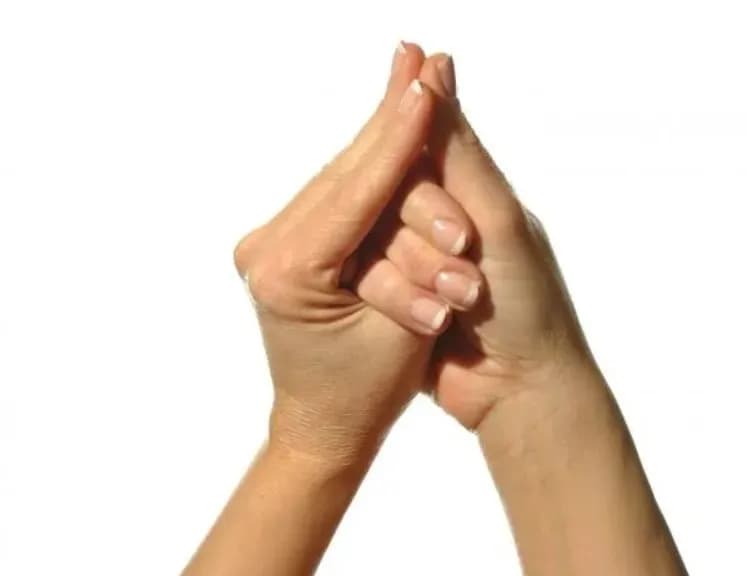
- Left thumb is enclosed by the right hand’s fingers while the left fingers wrap around it.
- Singers, teachers, and speakers report improved vocal warmth with regular practice.
- Paired specifically with Ujjayi breathing before vocal performance for best results.
- Activates Vishuddha, the throat chakra, whose physical domain includes the thyroid gland.
- Recommended for recurrent throat infections tied to reduced local immunity and circulation.
Shankh Mudra is a yogic hand gesture shaped like a conch shell — formed by enclosing the left thumb with the right hand’s four fingers while the left four fingers wrap around the right hand. Associated with the sacred conch of Vishnu, it improves voice quality, relieves throat conditions, supports thyroid health, and activates the Vishuddha chakra through its resonant formation.
What is Shankh Mudra?
Shankh Mudra — the Conch Gesture — replicates the sacred conch shell (Shankha) that is one of Vishnu’s four divine attributes, representing the primordial sound of creation and the vibration of OM. The formation encloses the left thumb within the right hand’s four fingers while the left hand’s four fingers wrap around the right hand — creating the spiral shell shape and the hollow interior that the conch’s resonant sound chamber embodies.
The conch is blown at the beginning of worship, battle, and auspicious occasions — its sound piercing through ordinary consciousness to announce the sacred. Shankh Mudra connects the practitioner to this sound vibration through the physical formation that replicates the conch’s shape — activating the Vishuddha (throat) chakra, stimulating the throat region, and cultivating the resonant, full-bodied voice quality that the conch embodies.
At Habuild, Shankh Mudra is taught within our throat chakra and voice health curriculum — with Ujjayi breathing integration and the sacred symbolic context that makes this classical conch gesture a genuinely transformative daily practice.
Shankh Mudra Benefits
Physical Benefits
- Improves Voice Quality and Vocal Resonance The Vishuddha chakra activation and throat region stimulation of Shankh Mudra directly improve vocal resonance, clarity, and the warm, full quality of the well-produced voice. Practitioners who use their voice professionally — singers, teachers, speakers, and performers — consistently report improved vocal warmth and resonance with regular Shankh Mudra practice, particularly when combined with Ujjayi breathing before performance.
- Relieves Chronic Throat Conditions and Infection Susceptibility Shankh Mudra is consistently recommended for chronic throat soreness, inflammation, recurrent throat infections, and the vulnerability to throat colds that reduced local immunity and poor circulation produce. The Vishuddha chakra activation supports the local immunity and circulation of the throat area in a way that no direct physical intervention replicates.
- Supports Thyroid Health and Circulation The Vishuddha chakra’s physical domain includes the thyroid gland — Shankh Mudra’s throat activation supporting thyroid circulation and function as a complementary practice alongside medical management for thyroid conditions.
Mental Benefits
- Activates Authentic Self-Expression and Communication Courage Shankh Mudra’s Vishuddha activation supports authentic self-expression, clear communication, and the courage to speak one’s truth — the same expressive qualities that the conch’s proclamatory sound embodies. Practitioners who struggle with communication hesitation, unexpressed feelings, or the self-silencing of Vishuddha blockage consistently report greater ease of authentic expression with regular practice.
How to Do Shankh Mudra — Step-by-Step Instructions
Key Principles
Key Principles The hollow interior of the conch shell formation is the key quality — the Shankh Mudra should create a resonant inner space between the hands that replicates the conch’s sound chamber. Hold the formation at the level of the throat or chest — closer to the Vishuddha chakra is more direct for vocal and throat applications; at the heart level for emotional expression work.
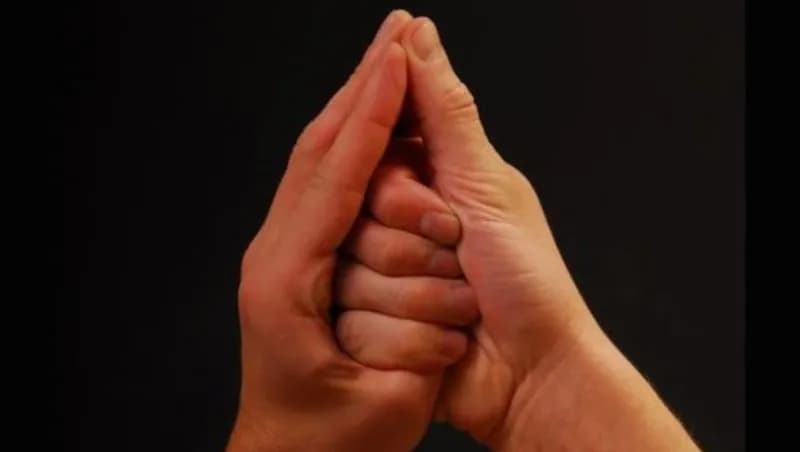
Shankh Mudra — Step by Step Step 1: Seated Starting Position Sit in Sukhasana — spine erect, jaw relaxed, throat soft. The jawline and throat should feel open and unguarded before forming the gesture.
Step 2: Extend the Left Thumb Extend the left thumb upward and slightly outward. The remaining four fingers of the left hand will later wrap around the right hand.
Step 3: Right Hand Wraps Around the Left Thumb Wrap the right hand’s four fingers around the extended left thumb — enclosing it securely. The left thumb becomes the inner core of the conch formation.
Step 4: Left Fingers Wrap the Outer Right Hand Wrap the left hand’s four fingers around the outside of the right hand. The left thumb points outward to the right. Both thumbs may touch at their tips.
Step 5: Bring to Throat or Chest Level Bring the complete formation to chest level, or hold it in front of the throat for more direct Vishuddha activation. The formation should feel natural and stable.
Step 6: Breathe with Ujjayi Breathe with Ujjayi — gentle throat constriction creating the audible oceanic sound. The Ujjayi breath’s direct Vishuddha activation replicates the resonant vibration of the conch within the body. Hold for fifteen to thirty minutes.
Breathing in Shankh Mudra
Ujjayi Pranayama is the essential accompaniment to Shankh Mudra — the throat breath’s direct Vishuddha activation and audible quality replicating the resonant vibration of the conch. The hollow conch formation in the hands and the hollow Ujjayi sound in the throat create a unified resonant field of Vishuddha activation.
Preparatory Practices Before Shankh Mudra
These practices open and warm the throat region before Shankh Mudra.
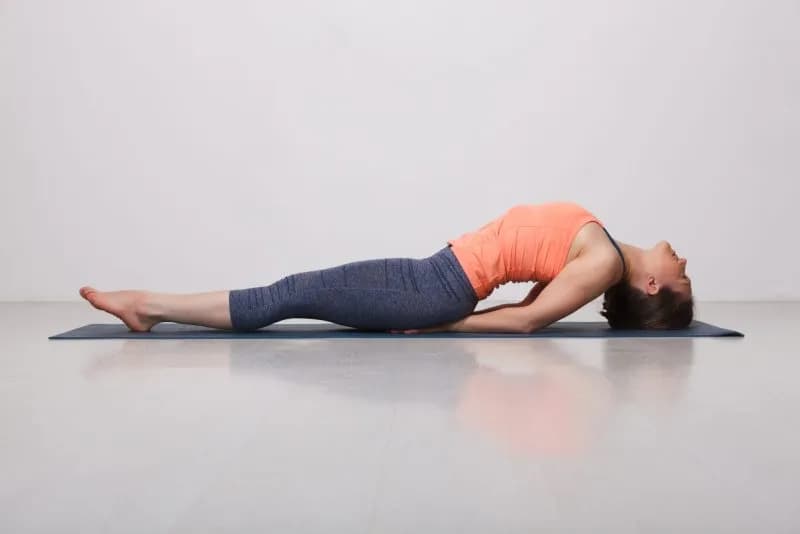
- Matsyasana (Fish Pose, 3-5 minutes) — Opens the anterior throat and cervical region before Vishuddha activation.
- Jalandhara Bandha (chin lock practice, 5 rounds) — Directly stimulates the thyroid and throat region before the mudra.
- Neck rolls and gentle cervical warm-up — Releases chronic cervical tension that can block Vishuddha chakra openness.
Variations of Shankh Mudra
- Variation 1: Shankh Mudra with Chanting — Vocal Application Five to ten minutes of Shankh Mudra with Ujjayi breathing immediately before chanting, singing, or public speaking dramatically improves vocal warmth, resonance, and the quality of presence in the voice. This pre-performance application is the most practically impactful single use of the mudra.
- Variation 2: Shankh Mudra with OM Chanting — Meditative Shankh Mudra held at the heart level during extended OM chanting sessions — the conch formation in the hands amplifying the OM vibration through its physical resonance chamber quality, creating a deepened Vishuddha activation through the combined mudra and mantra practice.
- Variation 3: Shankh Mudra in Sequence with Throat Asanas — Thyroid Support Practised within a complete Vishuddha chakra and thyroid health sequence: Sarvangasana → Matsyasana → Jalandhara Bandha → Shankh Mudra with Ujjayi. This complete sequence is the most comprehensive single-session thyroid and throat health practice available in classical yoga.
Common Mistakes to Avoid in Shankh Mudra
- Incorrect Hand Formation — Left Thumb Not Fully Enclosed The left thumb must be fully enclosed within the right hand’s four fingers — not resting against them loosely. The secure enclosure creates the conch’s hollow interior that is the functional basis of the formation’s resonant quality.
- Holding the Formation at the Wrong Level Shankh Mudra held below the navel has minimal Vishuddha activation. For all therapeutic throat and thyroid applications, the formation should be held at chest or throat level — the proximity to the Vishuddha chakra determining the directness of the activation.
- Neglecting the Ujjayi Breath Shankh Mudra practised with ordinary breathing loses a significant proportion of its Vishuddha activation. The Ujjayi throat breath is the auditory, vibratory complement to the physical conch formation — together they create the complete Vishuddha activation that makes this mudra uniquely effective for voice and throat health.
Who Should Practise Shankh Mudra?
- Those with Voice and Throat Conditions Shankh Mudra is the yoga tradition’s most direct voice health practice — its Vishuddha activation supporting the vocal quality, throat health, and thyroid circulation that underlie every dimension of voice function. Particularly valuable for professional voice users and those with chronic throat vulnerability.
- Those Working with Authentic Expression and Communication For practitioners dealing with Vishuddha chakra blockages — difficulty speaking authentically, communication hesitation, chronically unexpressed feelings — Shankh Mudra’s consistent activation of the throat chakra progressively supports the capacity for genuine, clear, and courageous self-expression.
- Is Shankh Mudra Good for Beginners? Yes — the physical formation requires slightly more attention than simpler mudras but is accessible to all practitioners within a few practice sessions. The key is establishing the correct enclosed thumb position before adding the Ujjayi breathing.
Make Shankh Mudra a Part of Your Practice
Shankh Mudra is the yoga tradition’s most resonant and Vishuddha-specific gesture — its conch-shell formation embodying the sacred sound of creation and activating the throat chakra through the combined physical formation and Ujjayi breath vibration that no other mudra replicates.
Whether you are using Shankh Mudra for voice quality improvement, thyroid support, throat health, authentic expression, or the sacred resonance of the conch in your chanting practice, the gesture delivers progressive and distinctive benefits with consistent daily use.
The most effective way to learn Shankh Mudra correctly — with the precise enclosed-thumb formation, Ujjayi integration, and Vishuddha chakra context — is under live expert guidance with Habuild.
Start your 14 day free yoga journey with Habuild, today!
Related reads: Vajroli Mudra: How to Practice and Its Reproductive Health Benefits · Shunya Mudra: How to Practice and Its Benefits for Ear and Bone Health
Shankh Mudra is often used to support throat and voice health, and like most subtle practices, its benefits build cumulatively rather than showing up after one session. If you’re managing a specific thyroid condition, treat this as a complementary addition alongside medical guidance, not a substitute for it. For the daily consistency this kind of practice rewards, Habuild’s Yoga Everyday program can help.
Frequently Asked Questions
Related Articles

Chin Mudra: How to Practice and Its Benefits for Calm and Clarity
Practice Chin Mudra with Habuild. Follow the consciousness hand gesture steps to calm the mind, improve focus, and deepen your pranayama practice. Start today!


Dhyana Mudra: How to Practice and Its Benefits for Meditation
Practice Dhyana Mudra with Habuild. Follow the meditation hand gesture steps to calm the mind, deepen concentration, and support your daily practice. Start!

Vajroli Mudra: How to Practice and Its Reproductive Health Benefits
Practice Vajroli Mudra with Habuild. Follow the thunderbolt contraction steps to strengthen the urogenital muscles and boost your vital energy. Start today!