
Virabhadrasana (Warrior Pose): Steps, Benefits & Precautions
The three Warrior variations build leg strength, open the hips and chest, and sharpen mental focus, with progressive challenges from beginner through.
Key Takeaways
- Warrior I, II, and III offer progressively different challenges within one pose family.
- Named after Virabhadra, a fierce warrior said to be created by Shiva from his matted hair.
- Deeply engages the quadriceps, hamstrings, calves, and glutes simultaneously in the lunge.
- The deep lunge stretches hip flexors while raised or extended arms open the chest.
- Warrior I loads the deltoids and rotator cuff overhead; Warrior II challenges shoulder endurance.
- Appears in virtually every Vinyasa, Ashtanga, and Hatha sequence as a foundational building block.
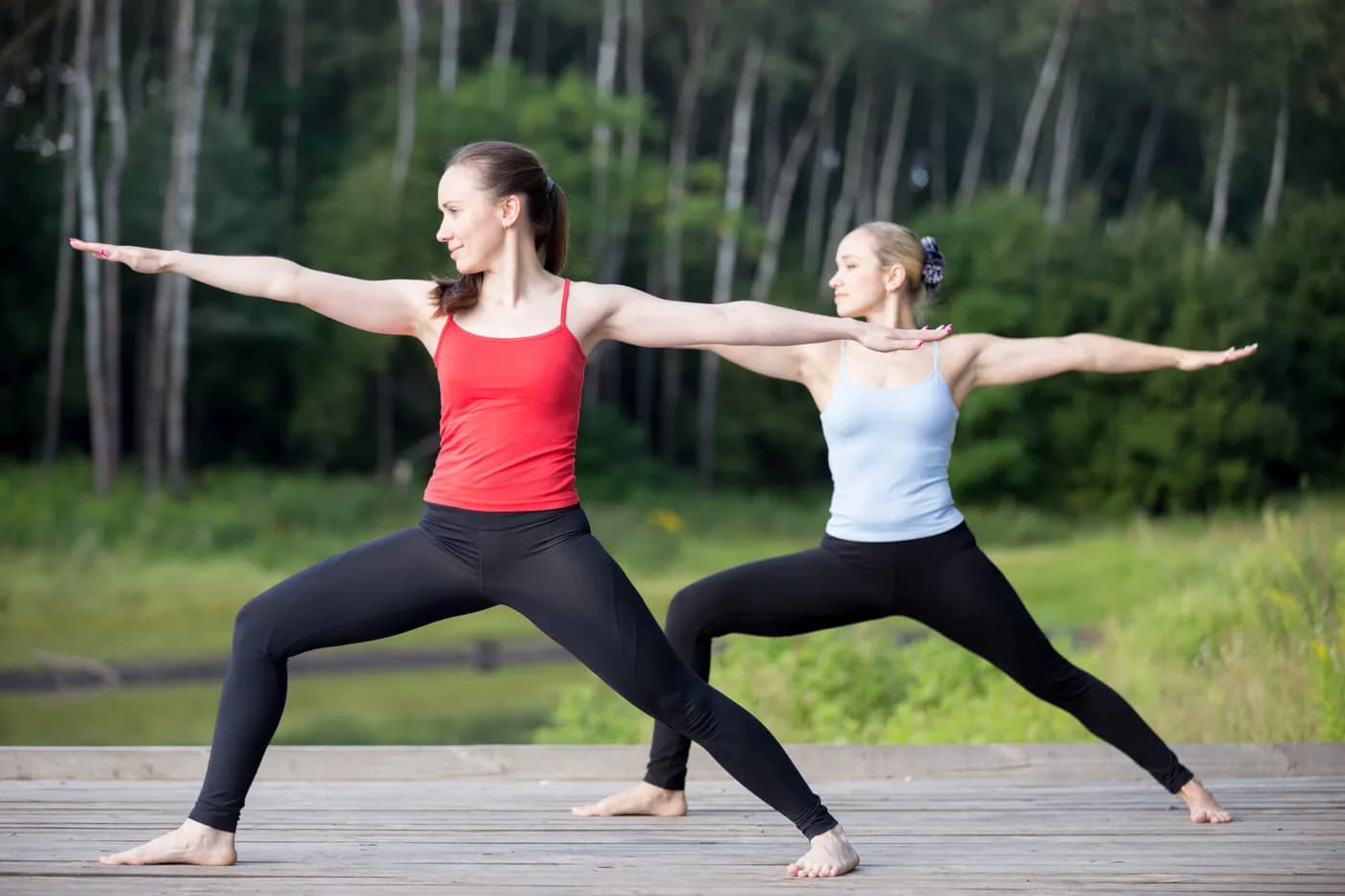
Virabhadrasana, or Warrior Pose, is a family of standing yoga postures that build leg strength, open the hips and chest, and sharpen mental focus. Named after the mythological warrior Virabhadra, the three primary variations — Warrior I, II, and III — offer progressive challenges suitable for beginners through advanced practitioners seeking the full range of virabhadrasana benefits.
What is Virabhadrasana?
Virabhadrasana (pronounced vee-rah-bah-DRAHS-anna) derives from Sanskrit: Vira meaning hero or brave, Bhadra meaning auspicious or good, and Asana meaning posture. In English it is widely known as Warrior Pose. The name honours Virabhadra — a fierce, mythological warrior said to have been created by the god Shiva from a lock of his matted hair. The pose embodies that warrior’s strength, steadiness, and grace.
Visually, Virabhadrasana is a standing lunge-based posture. Depending on the variation — Warrior I, II, or III — the arms, torso, and gaze shift dramatically, but the defining quality is always a rooted lower body combined with an expansive upper body. The pose is sometimes described as the meeting point between earth and sky: feet planted firmly on the ground, arms or chest open toward the horizon.
Within the broader yoga system, the Virabhadrasana family sits at the intersection of strength and flexibility work. It appears in virtually every Vinyasa, Ashtanga, and Hatha Yoga sequence because it builds functional power in the legs and hips while simultaneously opening the chest, shoulders, and hip flexors. Mastering these poses establishes the foundation for more advanced standing and balancing asanas.
Virabhadrasana Benefits
Physical Benefits
- Benefit 1: Strengthens the Legs, Glutes, and Core Virabhadrasana deeply engages the quadriceps, hamstrings, calves, and gluteal muscles simultaneously. Holding the pose activates the core stabilisers, which makes it one of the most efficient full lower-body strengthening exercises in yoga. Regular practice builds functional leg strength that supports everyday movement — from climbing stairs to maintaining good posture while standing. The virabhadrasana steps and benefits together make it a staple in any strength-focused yoga routine.
- Benefit 2: Improves Hip Flexibility and Opens the Chest The deep lunge position stretches the hip flexors, groin, and inner thighs — muscle groups that become chronically tight from prolonged sitting. At the same time, arms raised or extended outward pull the chest open and counter the forward rounding that desk work creates. Over weeks of consistent practice, this dual action noticeably improves both hip mobility and upper-body posture.
- Benefit 3: Builds Shoulder Strength and Improves Posture In Warrior I, the arms are lifted overhead and actively stretched toward the ceiling, loading the deltoids, trapezius, and rotator cuff muscles under bodyweight resistance. In Warrior II, arms extend horizontally and challenge endurance in the shoulder girdle. These actions gradually strengthen the shoulders and upper back, making the pose particularly valuable for people who carry tension in the neck and shoulders.
- Benefit 4: Supports Circulation and Energises the Body The wide stance in Virabhadrasana opens the pelvic region and encourages blood flow to the legs and abdominal organs. Many practitioners report a noticeable surge in energy during and after holding the pose — this is one of the well-documented benefits of warrior poses in yoga. The expansive chest position also allows the lungs to take fuller breaths, improving oxygen delivery across the body.
Mental and Emotional Benefits
- Benefit 5: Builds Confidence and Mental Resilience There is an unmistakable psychological shift that happens when you hold a Warrior pose for several steady breaths. The upright, open stance counters the collapsed posture that often accompanies low mood or stress. Research on posture and mood suggests that expansive body positions like Virabhadrasana can support feelings of confidence and self-assurance over time. Practised consistently, this effect compounds.
- Benefit 6: Sharpens Focus and Grounds the Mind Maintaining balance, alignment, and steady breathing all at once requires full present-moment attention. Virabhadrasana essentially trains single-pointed focus — you cannot stay in the pose correctly while mentally elsewhere. This quality of grounded concentration carries over into daily life, making the pose a practical tool for anyone looking to manage mental restlessness or build the habit of focused attention. Explore the wide-ranging health benefits of a regular yoga practice to understand how this extends beyond the mat.
How to Do Virabhadrasana — Step-by-Step Instructions
Key Principles
Before stepping into the pose, remember three guiding principles: ground through the outer edge of your back foot, keep your front knee tracking over your second toe (not caving inward), and engage your core throughout. These three cues prevent the most common injuries and keep the pose both safe and effective.
Step 1: Starting Position
Stand at the top of your mat in Tadasana (Mountain Pose) with feet together, arms alongside the body, and gaze forward. Take two or three slow breaths here. Feel the four corners of each foot pressing evenly into the mat and your spine lengthening upward. This neutral starting point helps you establish the alignment reference you will carry into the lunge.
Step 2: Step Back Into a Wide Stance
On an exhale, step your right foot back approximately 90–105 cm (roughly one leg-length). Your left foot remains pointing forward; turn your right foot out to about 45–60 degrees. Both heels should be roughly aligned. Press the outer edge of your back foot firmly into the mat — this is your anchor point for the entire pose.
Step 3: Bend the Front Knee
On your next exhale, bend the left (front) knee toward 90 degrees so the thigh moves parallel to the floor. Check that the knee points directly over the second toe — not collapsing inward. The back leg stays straight and strong, with the knee gently lifted. You should feel a deep stretch opening through the right hip flexor and groin.
Step 4: Raise the Arms
Inhale and sweep both arms up overhead, palms facing each other (or touching if your shoulder mobility allows). Draw the shoulder blades down the back — resist the urge to scrunch the shoulders toward the ears. Lengthen through the side body and allow the chest to lift. Your gaze can go forward or, if your neck is comfortable, gently up toward your thumbs.
Step 5: Final Position and Hold
You are now in the full Virabhadrasana I. Hold the posture for five to eight slow, even breaths. Keep pressing the outer back foot down, the front knee tracking forward, the tailbone slightly tucking, and the arms actively reaching upward. Feel the simultaneous sensation of being rooted and expansive — that tension is the essence of the warrior.
Step 6: How to Come Out of Virabhadrasana
On an exhale, press through the front foot to straighten the front leg, lower your arms to the sides, and step the back foot forward to meet the front foot in Tadasana. Pause for one or two breaths to feel the contrast — notice the warmth and activation in the legs and shoulders. Then repeat on the second side, stepping the left foot back.
Breathing in Virabhadrasana
The general rhythm: exhale as you step back and settle the stance, inhale as you raise the arms, then breathe slowly and evenly throughout the hold. Avoid holding the breath — if you notice your breathing becomes shallow or strained, ease slightly out of the deepest position and re-establish a smooth breath before deepening again. The breath is your real-time alignment guide in Virabhadrasana.
Preparatory Poses Before Virabhadrasana
Warming up the hip flexors, hamstrings, and ankles before Virabhadrasana reduces the risk of strain and helps you access a deeper, more aligned expression of the pose.
- Low Lunge (Anjaneyasana) — directly stretches the hip flexors and front hip that Warrior I demands, allowing a safer, fuller lunge.
- Downward-Facing Dog (Adho Mukha Svanasana) — lengthens the hamstrings and calves, and warms up the shoulders for the overhead arm position.
- Standing Hip Circles — a simple dynamic warm-up that lubricates the hip joints and improves rotational mobility before static holds.
- Chair Pose (Utkatasana) — activates the quadriceps and glutes, priming the muscles that will work hardest in the warrior stance.
Variations of Virabhadrasana
Variation 1: Virabhadrasana I — Warrior I (Foundational)
Difficulty: Beginner–Intermediate. This is the base version described in the step-by-step section above. Both hips face forward squarely and arms reach overhead. It is the most accessible entry point into the Warrior family and the pose most people learn first. If you are new to the sequence, start here and build consistency before progressing.
Variation 2: Virabhadrasana II — Warrior II (Hip-Open)
Difficulty: Beginner–Intermediate. From the wide stance, the hips open laterally instead of squaring forward, and the arms extend horizontally — one forward, one back. The gaze travels over the front hand. Warrior II challenges hip abductor endurance more than Warrior I and creates a greater rotational stretch in the groin. It is an excellent complement to the first variation.
Variation 3: Virabhadrasana III — Warrior III (Balancing)
Difficulty: Intermediate–Advanced. The practitioner balances on one leg while the torso and the lifted leg form a horizontal line, arms extending forward. This variation dramatically increases the demand on ankle stability, core strength, and single-leg balance. It is best approached after establishing a solid foundation in Warrior I and II.
Variation 4: Humble Warrior (Baddha Virabhadrasana)
Difficulty: Intermediate. Starting from Warrior I, the hands clasp behind the back and the torso folds forward and down inside the front knee, with the arms lifting behind. This variation adds a deep shoulder stretch and a chest-opening counter-movement while intensifying the hip-flexor stretch. It is particularly beneficial for practitioners who carry tension across the chest and upper back.
Common Mistakes to Avoid in Virabhadrasana
- Letting the Front Knee Collapse Inward The mistake: The front knee drifts toward the big-toe side, placing stress on the inner knee ligaments. The correction: Actively press the inner thigh outward so the knee tracks over the second toe at all times.
- Lifting the Back Heel Off the Mat The mistake: The back heel rises, reducing the grounding of the pose and putting strain on the front ankle. The correction: Press the outer edge of the back foot firmly down and imagine gluing the heel to the mat before deepening the lunge.
- Scrunching the Shoulders Up Toward the Ears The mistake: When the arms rise overhead, the shoulders hike up and tension builds in the neck. The correction: Consciously draw the shoulder blades down and back before raising the arms; maintain that space between ears and shoulders throughout the hold.
- Arching the Lower Back Excessively The mistake: Front hip flexor tightness causes the pelvis to tilt forward and the lumbar spine to overarch. The correction: Gently engage the lower belly, tuck the tailbone slightly toward the floor, and lengthen the lower back before deepening the bend.
- Front Knee Travelling Past the Ankle The mistake: The front knee shoots forward beyond the front foot, compressing the knee joint. The correction: Check from the side that the shin remains perpendicular or close to it; if the knee overshoots, widen the stance slightly by stepping the back foot farther back.
- Holding the Breath The mistake: Gripping the body and forgetting to breathe — very common when the hold becomes challenging. The correction: Set an intention before entering the pose to keep the exhales long and audible; if breath goes shallow, back off 10% of depth until breathing normalises.
Who Should Practise Virabhadrasana?
- Those with Back Pain or Poor Posture Virabhadrasana gently strengthens the erector spinae and core stabilisers while opening the hip flexors — the combination that most commonly contributes to lower-back discomfort in sedentary adults. Regular, well-aligned practice may gradually ease the muscular tension associated with prolonged sitting. If you have an existing back condition, practise under guidance and begin with a shallower lunge depth. For a broader view of how yoga supports back care, the Yoga for Back Pain resource offers helpful context.
- Is Virabhadrasana Good for Beginners? Yes — with a few sensible adjustments. Beginners should reduce the depth of the front knee bend (stopping well before 90 degrees) and keep the stance slightly shorter until hip flexibility develops. Using a wall for balance support during Warrior III variations is also perfectly appropriate. The pose rewards incremental progress, and most beginners notice meaningful improvement in leg strength and hip openness within two to three weeks of consistent practice.
- Working Professionals and Desk Workers Desk work compresses the hip flexors, rounds the upper back, and weakens the posterior chain. Virabhadrasana directly counteracts all three patterns in a single standing posture. Even five minutes of Warrior pose practice in the morning — as part of a structured daily session — can shift how the body feels for the rest of the day. The benefits of warrior poses in yoga are especially tangible for this group because the pose addresses the specific imbalances that sedentary work creates.
- Intermediate and Advanced Practitioners For those already comfortable with the foundational version, Virabhadrasana III and Humble Warrior add substantial challenge in balance, core integration, and shoulder flexibility. Advanced practitioners can also explore longer holds (ten-plus breaths), dynamic flows between Warrior I and II, and linked sequences that build heat and cardiovascular endurance. The pose genuinely scales with the practitioner — there is always a new layer of refinement available.
Make Virabhadrasana a Part of Your Life
Virabhadrasana is a standing warrior posture rooted in Sanskrit tradition that builds leg strength, opens the hips and chest, sharpens focus, and supports better posture — benefits that suit beginners, desk workers, and advanced practitioners alike. It is not a single pose but a family of variations, each unlocking a different dimension of physical and mental strength.
Whether you are a complete beginner working with a shallow lunge or someone managing a tight lower back, Virabhadrasana is accessible with the right instruction. Modifications and variations make the pose adaptable, and live guidance ensures you develop correct alignment habits from day one rather than cementing errors over time.
Frequently Asked Questions
Related Articles
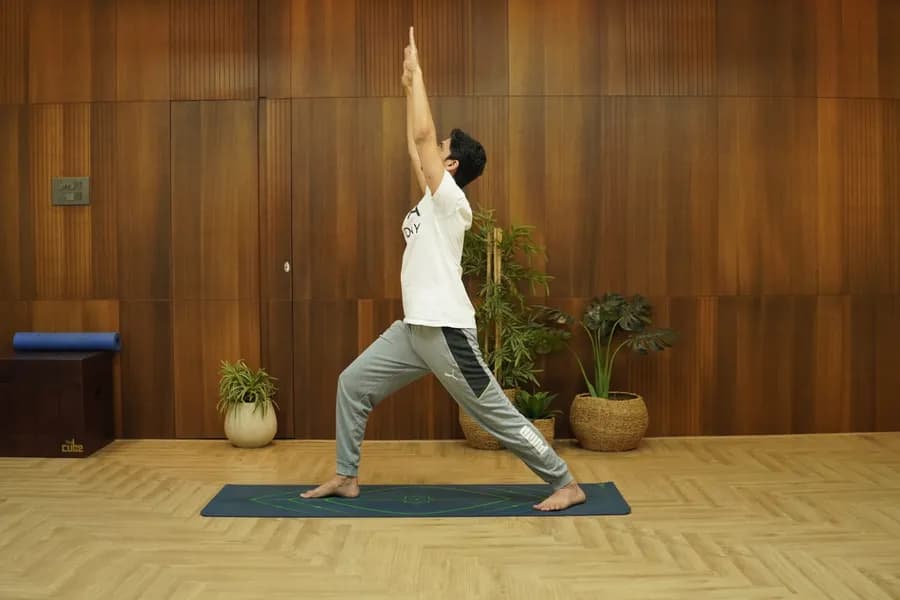
Virabhadrasana (Warrior Poses): Complete Guide to Steps and Benefits
Practice Virabhadrasana with Habuild. Follow the warrior pose steps to build leg strength, boost flexibility, and develop stamina and mental focus. Start today!

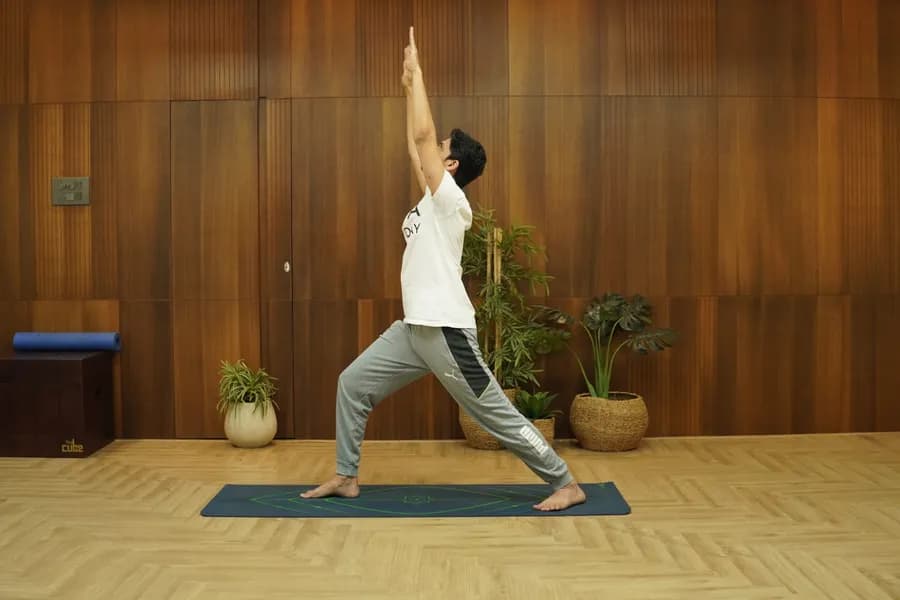
Virabhadrasana 1 (Warrior 1): Steps Benefits and Alignment Cues
Practice Virabhadrasana 1 with Habuild. Follow the Warrior I steps to strengthen your legs, open your hips, and build stamina and mental focus. Start today!
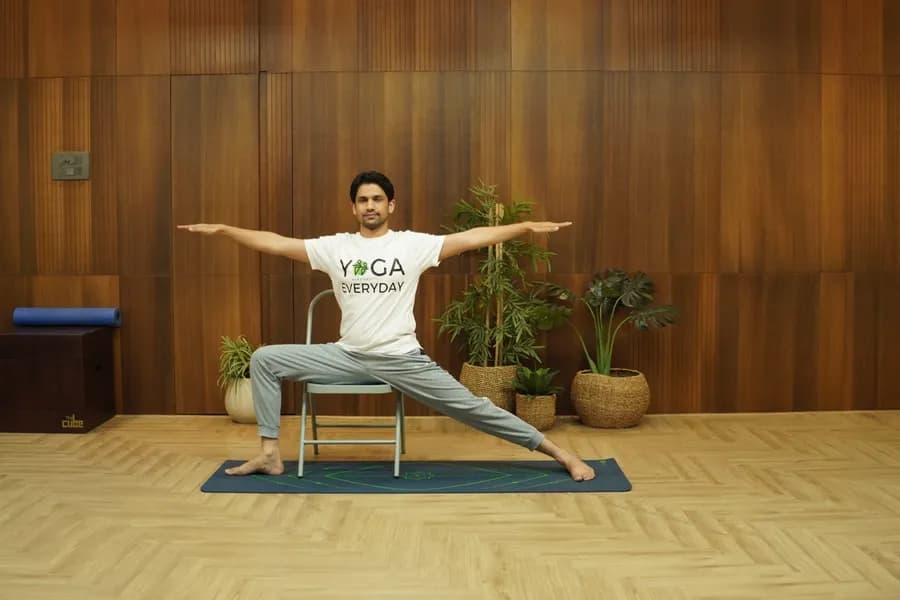
Virabhadrasana 2 (Warrior 2): Steps Benefits and Alignment Cues
Practice Virabhadrasana 2 with Habuild. Follow the Warrior II pose steps to strengthen your legs, open your hips, and build stamina and focus. Start today!
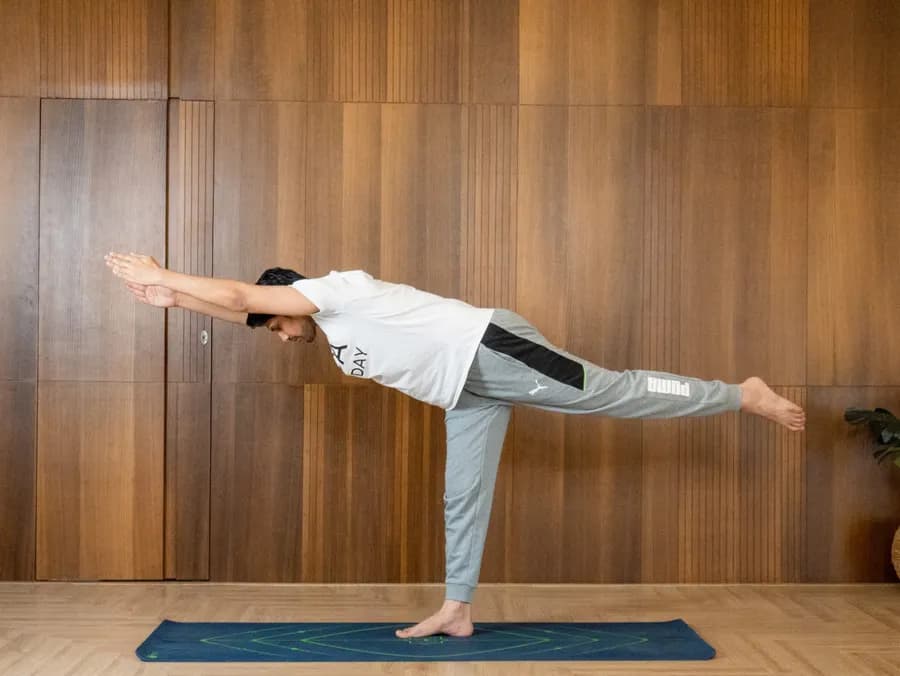
Virabhadrasana 3 (Warrior 3): Steps Balance and Core Benefits
Practice Virabhadrasana 3 with Habuild. Follow Warrior III steps to improve balance, build leg strength, and develop core stability and focus. Start today!
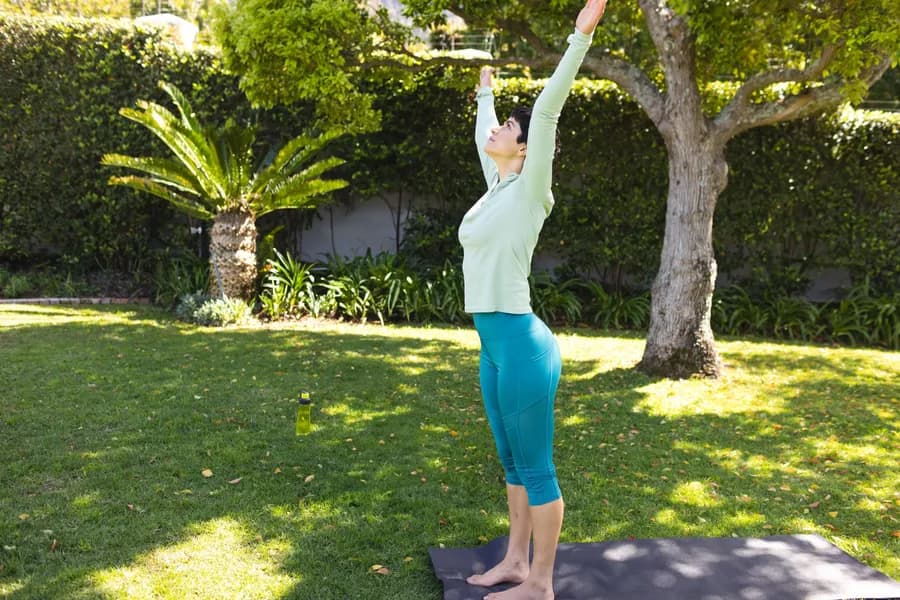
20 Benefits of Yoga
Yoga acts simultaneously on the musculoskeletal system through asana, the autonomic nervous system through pranayama and meditation, and the endocrine system through parasympathetic activation. See all 20 benefits.