
Yoga Poses for Flexibility: from Beginner to Advanced
Flexibility declines measurably from the mid-twenties onward in sedentary adults but responds significantly to consistent stretching at any age. See the

Key Takeaways
- Flexibility measurably declines from the mid-twenties onward in sedentary adults.
- Sustained 30-second to 5-minute holds trigger autogenic inhibition, reducing muscle spindle tension.
- Consistent stretching remodels collagen and elastin in connective tissue for lasting change.
- Targets hamstrings, hip flexors, hip rotators, thoracic spine, and shoulder girdle specifically.
- Distinguishes temporary single-session range from genuine, lasting connective tissue lengthening.
- Combines active muscle engagement and breath-driven fascial release, not passive stretching alone.
What Are Yoga Poses for Flexibility?
Yoga poses for flexibility are asanas specifically selected for their capacity to lengthen muscles, improve joint mobility and develop the connective tissue extensibility that range of motion depends upon. They differ from general yoga practice in their emphasis on sustained holding (typically 30 seconds to 5 minutes) at positions that produce the mild discomfort of a genuine stretch — the mechanical tension on the connective tissue that stimulates the adaptation response that increases flexibility over consistent daily practice.
The physiological mechanism of yoga asanas for flexibility operates through multiple pathways. Neurologically, sustained holding produces the autogenic inhibition response that reduces muscle spindle tension and allows the muscle to lengthen. Connectively, consistent stretching at adequate tension stimulates the synthesis and remodelling of the collagen and elastin in the extracellular matrix — producing the genuine connective tissue lengthening that distinguishes lasting flexibility from the temporary range achieved in a single warm session.
Benefits of Yoga Poses for Flexibility
- Increases Range of Motion Across All Major Joints Consistent yoga asanas for flexibility practice at adequate duration (30+ second holds) produces measurable range of motion improvement in the hamstrings, hip flexors, hip external rotators, thoracic spine and shoulder girdle — the major flexibility limitations that restrict both movement quality and pain-free daily function for most adults.
- Reduces Muscle and Joint Pain from Tightness Many chronic pain presentations — lower back pain, neck pain, knee pain, shoulder impingement — are directly driven by the muscle tightness that reduced flexibility allows. Yoga poses for flexibility addressing the specific tissue contributing to each pain pattern produces measurable pain reduction through the mechanical load reduction that restored length and mobility provides.
- Improves Athletic Performance and Movement Efficiency Every athletic movement is limited at the extreme ranges by flexibility — the runner’s stride length, the swimmer’s shoulder rotation, the martial artist’s kick height. Advanced yoga poses for flexibility specifically develop the extreme ranges that athletic performance depends upon, reducing the energy expenditure of fighting against tight tissue in every movement pattern.
- Reduces Injury Risk through Better Movement Mechanics Inflexibility forces compensatory movement patterns — the limited hip flexor produces anterior pelvic tilt; the tight hamstring produces lumbar flexion under load. These compensations are the primary available source of the non-contact injuries that proper flexibility training prevents by removing their structural cause.
Yoga flexibility practice at 30+ second hold durations produces significantly greater range of motion improvements than equivalent-time shorter-duration stretching — establishing sustained yoga pose holds as the most effective available flexibility training method.
Best Yoga Poses for Flexibility — Beginner to Advanced
Downward-Facing Dog (Adho Mukha Svanasana) — Posterior Chain (Beginner)
Inverted V-shape pressing through the palms and heels — the foundational flexibility pose that simultaneously stretches the calves, hamstrings, lumbar extensors and shoulder girdle. The most comprehensive single available yoga exercise for flexibility for the complete posterior chain. Hold 5-10 breaths, pedalling the heels alternately. See also: surya-namaskara
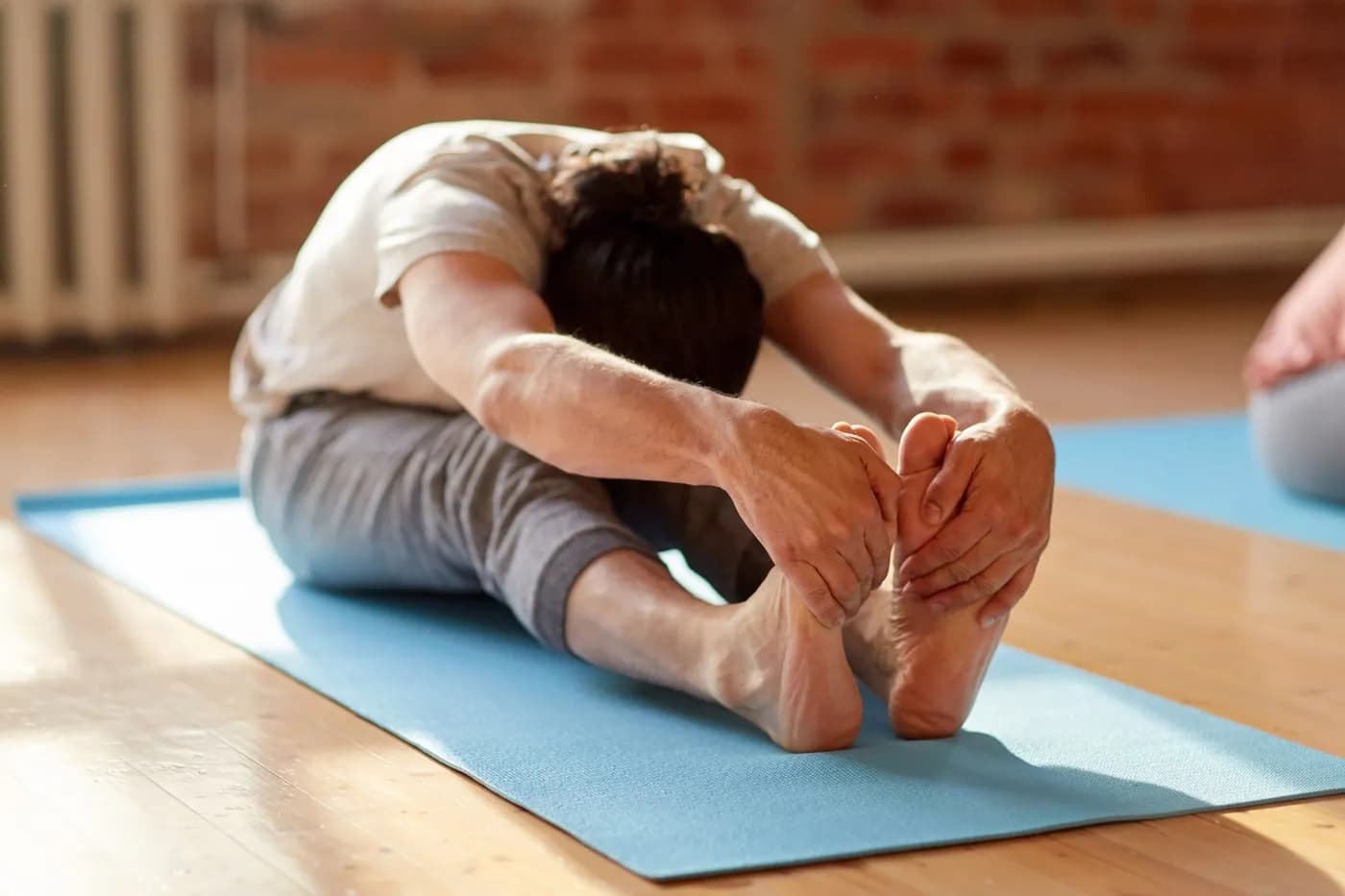
Seated Forward Fold (Paschimottanasana) — Hamstrings (Beginner-Intermediate)
The primary yoga asana for flexibility in the hamstrings and posterior chain — seated with legs extended and folding forward from the hips. Use a strap if the feet cannot be reached. Hold 1-3 minutes — the sustained duration that produces genuine hamstring flexibility gains. See also: seated-yoga-poses
Low Lunge (Anjaneyasana) — Hip Flexors (Beginner)
Kneeling lunge with the back knee down and front knee at 90 degrees — the most accessible available yoga pose for flexibility in the hip flexors and psoas. Hold 60-90 seconds each side to reach the connective tissue depth that shorter holds miss. See also: yoga-for-beginners
Pigeon Pose (Eka Pada Raja Kapotasana) — Hip External Rotators (Intermediate)
Front shin parallel to the front of the mat with the torso folded forward — the deepest available yoga pose for flexibility in the piriformis and deep hip external rotators. Hold 2-5 minutes each side for the connective tissue release that makes this the most transformative available hip flexibility exercise. See also: forward-bend-yoga-poses
Wheel Pose (Chakrasana / Urdhva Dhanurasana) — Thoracic Extension (Advanced)
Full backbend supported on hands and feet — the advanced yoga pose for flexibility in the thoracic spine, hip flexors, shoulder girdle and chest simultaneously. Requires preparatory practice through Bridge Pose and Camel Pose before being accessible. See also: backbend-yoga-poses
Common Mistakes in Yoga Poses for Flexibility
- Bouncing During Stretches Ballistic bouncing in flexibility poses activates the stretch reflex — causing the muscle to contract rather than lengthen. Correction: hold all flexibility poses statically at the edge of gentle discomfort without bouncing.
- Forcing Advanced Poses Before Foundation is Built Attempting advanced yoga poses for flexibility (Pigeon, full splits) before the preparatory poses have developed adequate range risks muscle and connective tissue injury. Correction: establish the beginner flexibility foundation through daily consistent practice for 8-12 weeks before attempting intermediate poses.
- Holding for Too Short a Duration Holding flexibility poses for 10-15 seconds produces neurological range change that reverts within 30 minutes — insufficient for the connective tissue adaptation that produces lasting flexibility. Correction: hold all flexibility poses for a minimum of 30 seconds; 60-90 seconds for significant flexibility development.
Who Should Practise Yoga Poses for Flexibility?
- Complete Beginners with Limited Flexibility Yoga poses for flexibility beginners — specifically Downward Dog, Low Lunge and seated forward fold with strap — are accessible from day one regardless of current flexibility. Habuild’s sessions provide specific beginner modifications that make every flexibility pose achievable.
- Athletes and Sportspeople Advanced yoga poses for flexibility provide the extreme range development that athletic performance and injury prevention specifically require — addressing the tight hip flexors, hamstrings and thoracic spine that athletic training overdevelops in the shortening direction.
650,000+ people building better habits every morning every morning Live daily sessions · Real-time corrections · Cancel anytime
Flexibility gains compound with repetition — a stray stretch here and there rarely holds, while showing up on the mat day after day steadily loosens what years of sitting have tightened. Following a guided, progressive sequence also keeps you from overstretching or skipping the poses your body actually needs. Habuild’s Yoga Everyday program builds that kind of progression into a daily routine, so beginners and advanced practitioners alike keep moving forward instead of restarting from scratch.
Frequently Asked Questions
Related Articles
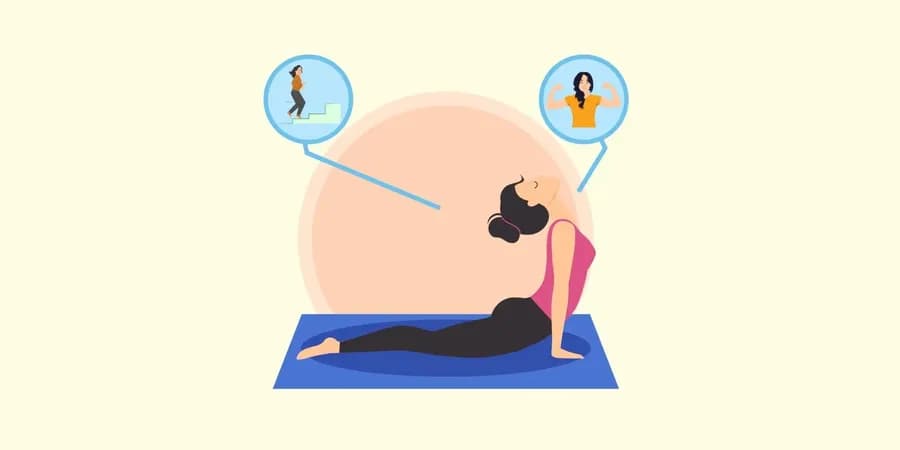
Flexibility Exercises for Beginners: A Complete Guide
Discover the best flexibility exercises for beginners. Build a daily stretch routine, improve mobility, and feel better — start your 14-day free trial trial today.
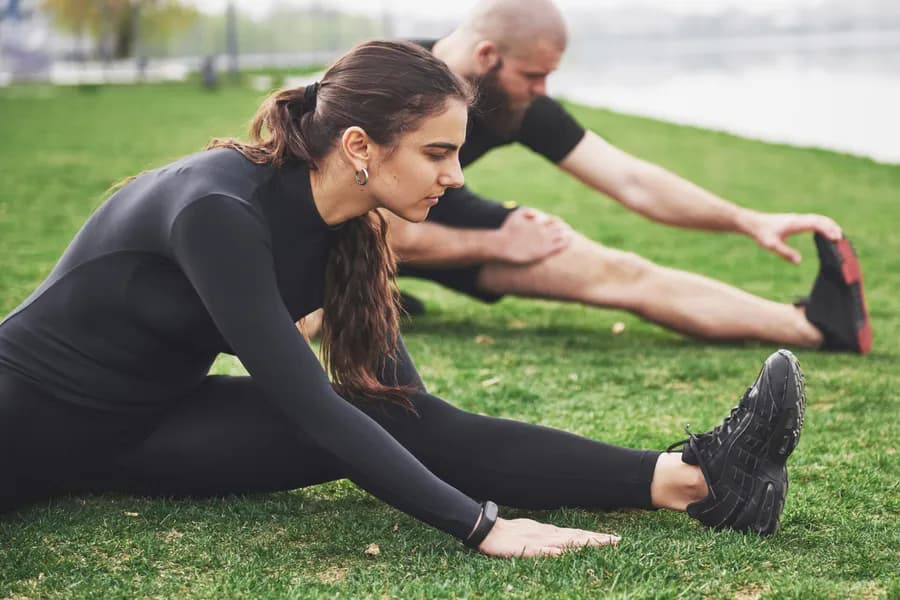
Morning Stretching Exercises: Build Flexibility and Start Your Day Right
Gentle movements right after waking release overnight muscle tightness and lubricate joints, targeting the spine, hips, hamstrings, and shoulders in 10-20 minutes. See the full routine.
10 Best Warm Up Exercises at Home for Full Body
Discover the 10 best warm up exercises at home for a full body prep. Start moving safely with Habuild — try your first 7 days with a 14-day free trial.