
Cottage Cheese and Paneer: Nutrition, Differences and Meal Ideas
Paneer and loose-curd cottage cheese are not always interchangeable. Understand the differences and use either in simple, balanced meals.
Key Takeaways
- Cottage cheese and paneer are different fresh cheeses.
- Both are useful vegetarian protein foods.
- Watch portions, especially with full-fat paneer.
- Keep fresh cheese refrigerated.
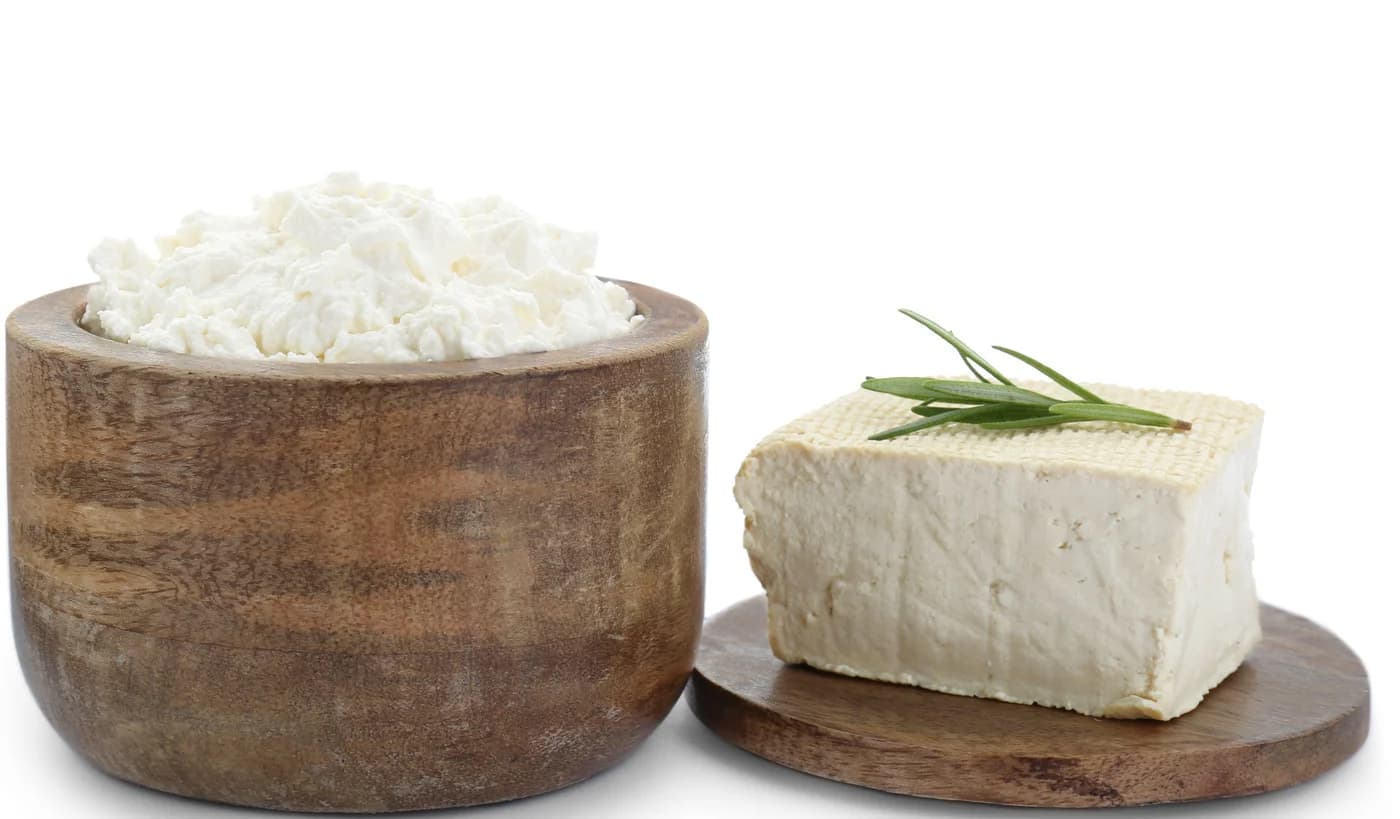
A recipe calls for cottage cheese, so you reach for paneer. Sometimes that works well; sometimes the result is unexpectedly dry. The reason is that “cottage cheese” can mean different products depending on where the recipe comes from.
In India, paneer is often called cottage cheese. In many Western recipes, cottage cheese means moist, loose curds, sometimes mixed with a little cream or dressing. Both are fresh dairy foods, but their texture and nutrition should not be treated as identical.
Know which product you are using
Paneer is made by curdling milk and pressing the curds into a block. It can be cut into cubes, crumbled into bhurji or grated into a filling. It generally holds its shape during cooking.
Western-style cottage cheese usually has separate soft curds with more moisture. It can be spooned onto toast, stirred into a dip or added to a recipe where that moisture is expected.
A recipe substitution therefore needs thought. Crumbled paneer can work in a filling, but may need moisture from curd, milk or another ingredient. Loose cottage cheese may need draining before it can replace a firmer cheese. Neither change is always a direct spoon-for-spoon swap.
What does it contribute nutritionally?
Both foods can provide protein, but the amount per serving varies. Fat content depends on the milk and the product, while salt can differ substantially, especially in packaged cottage cheese.
Calcium is another point where assumptions can mislead. Dairy foods can contribute it, but fresh cheeses do not all contain the same amount. Manufacturing and the way the curds are formed affect the finished food.
If you need a precise protein or calcium figure, use the information for the product you actually eat. A low-fat American cottage-cheese entry in a nutrition app should not be used to calculate a serving of full-fat paneer. That mistake can give a misleading picture of both energy and protein.
Is paneer a good vegetarian protein food?
It can be a useful option, especially for people who enjoy dairy. But it works best among several sources rather than becoming the only protein food at every meal.
Dal, beans, tofu, curd and other foods bring variety and different nutrients. For practical combinations, our guide to protein-rich vegetarian foods offers more choices.
A paneer dish also needs to be viewed as a whole. Paneer with vegetables in a lightly cooked bhurji differs from paneer in a large amount of butter and cream. The protein remains, but the rest of the dish changes what the meal provides.
What is a useful portion?
There is no single correct serving for everyone. Appetite, the rest of the meal and your overall protein and energy needs all matter. Around 50–75 g of paneer can be a practical starting amount in a mixed adult meal, adjusted to suit you.
A bowl of moist cottage cheese cannot be assumed to weigh or provide the same nutrition as that portion of paneer. Use a serving that fits the meal rather than transferring a number between products.
For example, paneer bhurji in a roti with vegetables is different from a large restaurant starter followed by a full dinner. Thinking about the whole meal is more helpful than treating paneer as either unlimited because it contains protein or forbidden because it contains fat.
Five everyday ways to use it
You do not need a rich gravy to make fresh cheese enjoyable. Try these combinations according to the product you have:
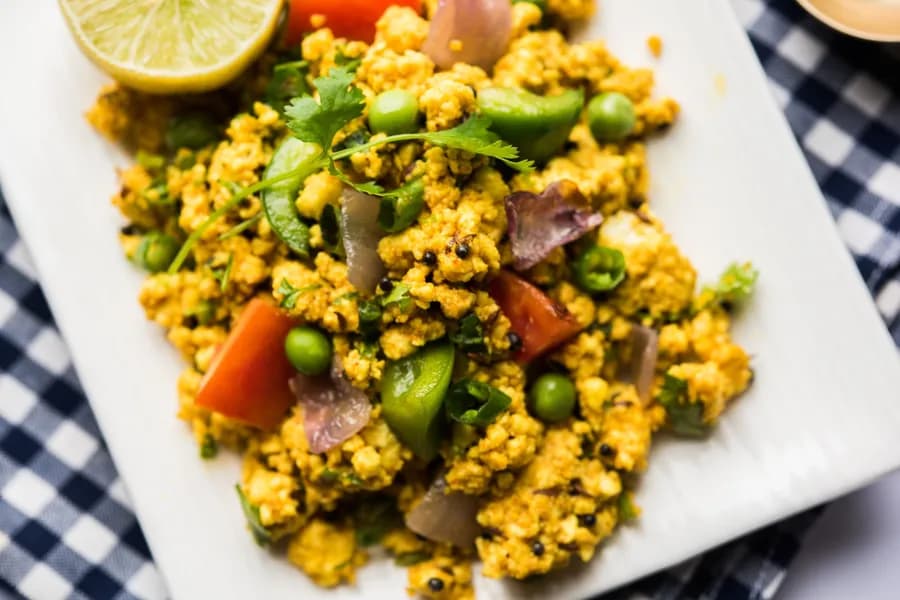
- Crumble paneer into a bhurji with onion, tomato and capsicum, then serve with roti.
- Add a modest paneer filling to a besan chilla, with vegetables on the side.
- Use moist cottage cheese on toast with cucumber, pepper and herbs.
- Blend loose cottage cheese into a dip, or loosen crumbled paneer with curd for a different texture.
- Add paneer or tofu to a grain-and-vegetable bowl when you want a more substantial lunch.
Treat these as flexible ideas rather than a fixed diet plan. Adjust the grain, vegetables and cheese to your appetite and what is already in the kitchen.
Does low-fat always mean better?
A lower-fat version can help if you want protein with less energy or saturated fat. A full-fat version can also fit, especially when the portion and the rest of the day are considered.
Taste and texture matter because you need to enjoy the food enough to use it. You may prefer a smaller amount of a regular product to a larger portion of one you dislike.
If cholesterol is a concern, think about the overall pattern of saturated fat rather than blaming one food. Our guide to saturated and unsaturated fats explains that broader picture. Adding vegetables and using a lighter preparation can help keep the meal balanced.
Lactose intolerance and milk allergy are different
Lactose is the sugar in milk. The amount remaining in fresh cheese varies, so someone with lactose intolerance may tolerate one product better than another. Paneer and cottage cheese should not automatically be described as lactose-free.
Milk allergy concerns milk proteins. A person with that allergy needs to avoid dairy products according to their allergy plan; choosing low-fat or lactose-free dairy does not remove the relevant proteins.
Tofu can be a useful alternative if soy suits you. It behaves differently in some recipes, but firm tofu can work in bhurji, fillings and vegetable dishes. Fortification and calcium content vary, so it is another product to understand on its own terms.
Fresh cheese needs refrigeration
Choose pasteurised-milk products and keep them chilled. Put them back in the fridge promptly after use, follow the storage instructions and use clean utensils to remove a portion.
Homemade paneer is not made shelf-stable by boiling the milk. Once prepared, it still needs safe handling and refrigeration. In hot weather, do not leave a serving out while the rest sits on the counter for later meals.
Avoid relying only on smell to decide whether mishandled food is safe. Plan portions so you can use the product while it is fresh. The most useful cheese is the one you understand, store well and turn into a meal you enjoy.
Editorial sources
Frequently Asked Questions
Related Articles
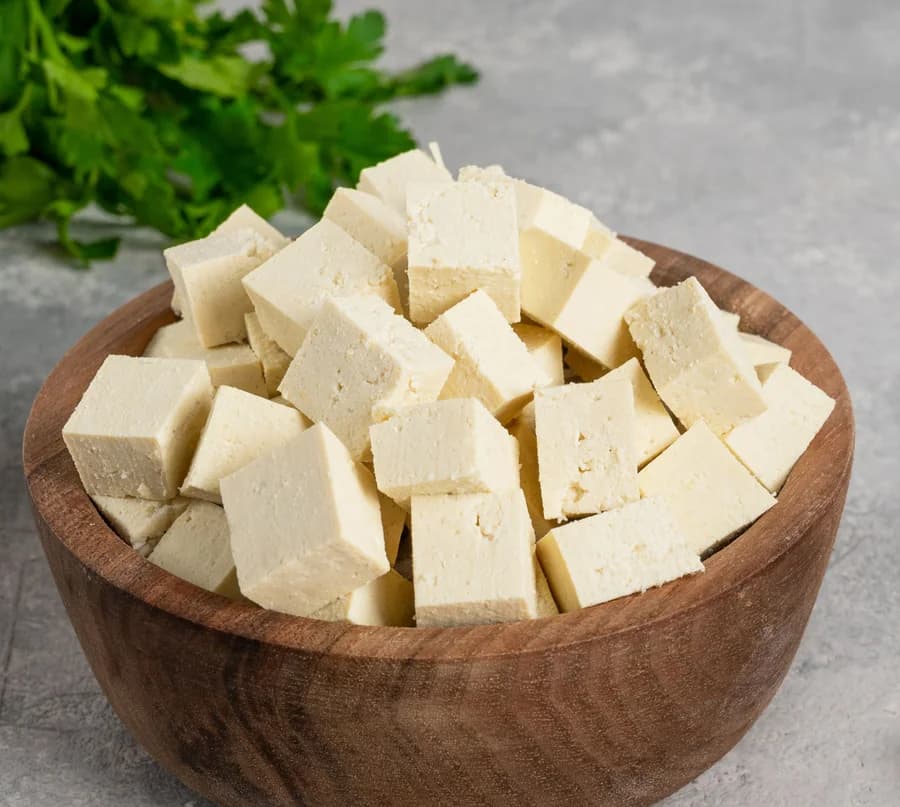
Protein in 50 g Paneer: How Much Does a Small Portion Provide?
A 50 g portion of regular paneer often supplies about 9 to 10 g protein. Learn the simple calculation and how the serving fits a full meal.

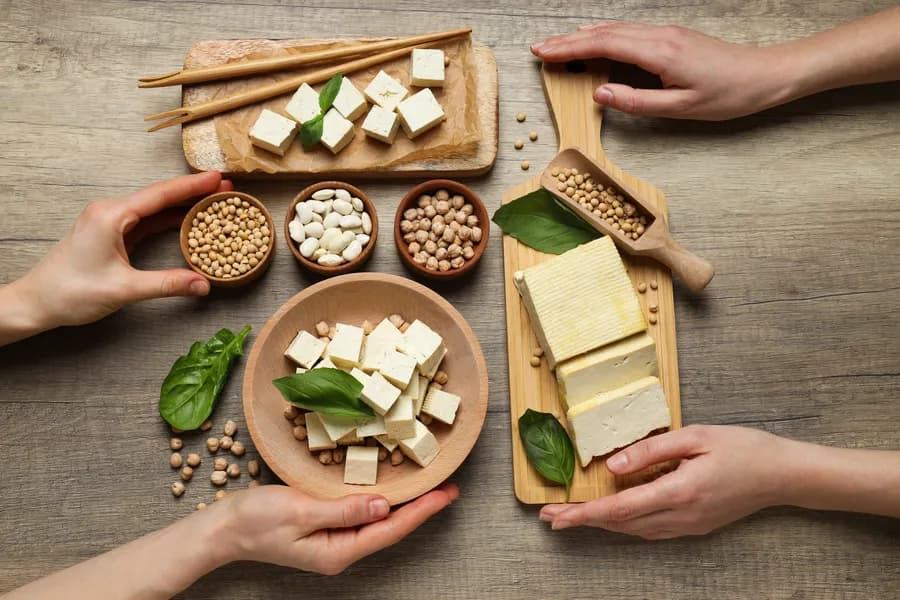
Tofu vs Paneer: Protein, Calcium, Fat and Best Uses
How tofu and paneer compare on protein, calcium, fat, tolerance and cooking, and why alternating them often works better than picking a winner.
How to Choose Cheese: Paneer, Mozzarella, Cheddar and Spreads
Paneer, mozzarella, cheddar or a spread? How to compare labels, pick sensible portions and use cheese well in everyday Indian meals.

Paneer bhurji recipe with vegetables for breakfast
Veggie paneer bhurji is a quick, one-pan breakfast built from crumbled paneer and vegetables — protein and colour in one dish. Full recipe and quantities.