
Elevated Glute Bridge: Benefits, Form & Muscles Worked
Master the elevated glute bridge with correct form, muscles worked, and variations. Start your strength journey with a 14-day free trial with Habuild.
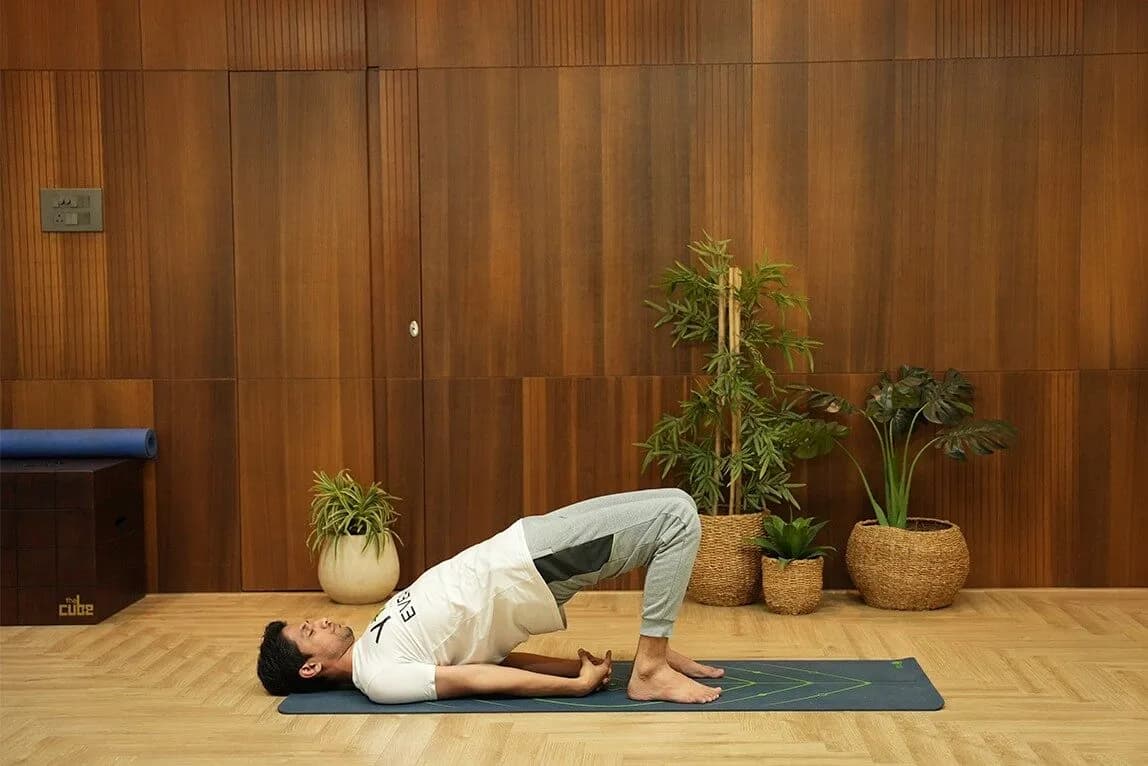
Key Takeaways
- Feet rest on a raised surface, increasing the hip range of motion beyond a standard bridge.
- The deeper stretch on the glutes at the bottom builds stronger contractions at the top.
- A horizontal push pattern that keeps the knees stable, easing pressure compared to squats or lunges.
- Progresses naturally into a single-leg variation once the standard version feels manageable.
- The pattern directly carries over into deadlifts, squats, and hip-hinge movements.
- Only a stable raised surface like a couch, chair, or step is needed to get started.
The elevated glute bridge is a lower-body strength exercise where you lie on your back with your feet on a raised surface and drive your hips upward. Compared to a standard bridge, this position increases the range of motion through the hips, placing a greater demand on the glutes and hamstrings — making it one of the most effective home-friendly glute exercises available.
The elevated glute bridge is one of the most effective lower-body exercises you can do at home — no gym, no heavy equipment needed. By placing your feet on a raised surface, you increase the range of motion through your hips and glutes, making every rep more challenging than a standard bridge. Whether your goal is stronger glutes, better hip mobility, or improved athletic performance, this move earns its place in any routine.
7 Key Benefits of the Elevated Glute Bridge
- Greater Glute Activation Raising your feet extends the hip through a deeper range of motion, placing a longer stretch on the glute muscles at the bottom. This increased stretch leads to stronger muscular contractions at the top — meaning you feel more in the right place, every rep.
- Builds Lean, Functional Lower-Body Strength The elevated variation trains your glutes, hamstrings, and core together under load. Over time, consistent practice supports the kind of functional strength that improves how you move in daily life — climbing stairs, carrying bags, getting up from the floor.
- Improves Hip Mobility Many people carry tightness in their hip flexors from long hours of sitting. Performing the bridge with feet elevated gently opens up the hip joint and progressively improves range of motion with regular practice.
- Supports Better Posture Weak glutes are a silent driver of lower-back strain and poor posture. Strengthening the posterior chain through movements like the feet elevated glute bridge helps rebalance the hips and may gradually ease the postural tension many desk workers experience.
- Low-Impact — Easy on Knees and Joints Unlike squats or lunges, the glute bridge is a horizontal push pattern. Your knees stay in a stable position, making it an excellent choice for people who need to avoid high knee-stress exercises or are returning to training after a break.
- Scalable for Every Fitness Level Beginners can start with a low surface and bodyweight. As you progress, you can add a resistance band, perform single leg elevated glute bridges, or increase the height of the surface — all without touching a barbell.
- Complements Other Strength and Yoga Work The glute bridge pattern directly carries over into deadlifts, squats, and hip-hinge movements. It also complements yoga poses that require posterior-chain engagement and hip stability, making it a smart addition to a balanced weekly routine.
How to Get Started with the Elevated Glute Bridge
What You Need to Begin
All you need is a stable raised surface — a couch, a sturdy chair, a step, or a yoga block. A mat under your back adds comfort. No gym membership, no barbells, no problem. This is genuinely one of the most accessible strength exercises available.
Setting Realistic Goals
Aim for two to three sessions per week when you are starting out. Prioritise feeling the right muscles working over chasing high rep counts. Rushing into heavy progressions before you have mastered the base movement is the fastest route to plateau or discomfort — so stay patient with the process.
If targeted glute strength training is your primary goal, pairing this bridge variation with a structured programme will get you to results far faster than random workouts.
Start with the Basics
Begin with 3 sets of 10–12 repetitions using bodyweight on a surface roughly 30–45 cm high. Focus on a full hip extension at the top and a slow, controlled descent. Once you can complete all sets cleanly without your hips dropping or rotating, it is time to progress.
Best Elevated Glute Bridge Exercises and Variations
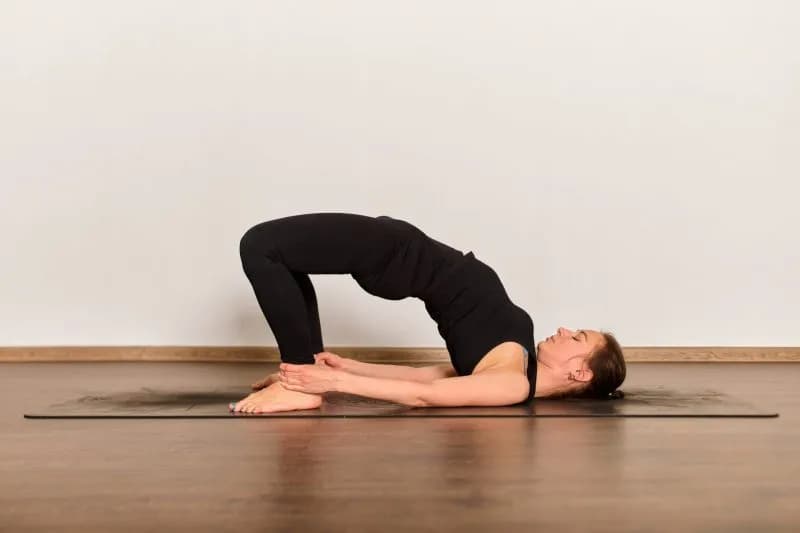
These are the most effective variations to build into your training as you grow stronger. Each one targets the elevated glute bridge muscles worked — primarily glutes, hamstrings, and core — in slightly different ways.
1. Standard Feet Elevated Glute Bridge
Both feet rest on a raised surface, hips lifted until your body forms a straight line from shoulders to knees. Hold one second at the top, squeeze the glutes hard, then lower with control. Begin with 3 sets of 12 reps.
2. Single Leg Elevated Glute Bridge
Extend one leg straight while the other foot stays on the surface and drive the hips up. The single leg elevated glute bridge dramatically increases the demand on your working glute and challenges your core stability simultaneously. Start with 3 sets of 8 reps each side.
3. Banded Elevated Glute Bridge
Place a resistance band just above your knees before performing the standard elevated version. Pushing outward against the band adds external rotation work for the glute medius — the muscle responsible for hip and knee alignment. Use a light-to-medium band for 3 sets of 10.
4. Elevated Glute Bridge with Pause
At the top of the movement, hold for 3–5 seconds before lowering. This paused variation eliminates momentum and forces the glutes to work isometrically — highly effective for building the mind-muscle connection beginners often lack. Try 3 sets of 8.
5. Elevated Hip Thrust with Bodyweight
Move your back against the raised surface rather than placing feet on it — your upper back rests on the bench or couch while your feet are flat on the floor. This is the next step up in the bridge progression and prepares you for weighted hip thrusts. Perform 3 sets of 12–15 reps.
For a full breakdown of targeted movements that build posterior-chain strength, explore these glute strength exercises that complement the bridge perfectly.
Common Mistakes to Avoid
- Poor Form at the Top One of the most frequent errors is hyperextending the lower back at peak contraction instead of achieving full hip extension through the glutes. If your lower back arches sharply at the top, you are overloading the lumbar spine. Focus on a posterior pelvic tilt — tuck slightly — as you push up.
- Skipping the Warm-Up Going straight into elevated bridges with cold hips is a reliable way to feel it in your lower back instead of your glutes. Spend five minutes on hip circles, bodyweight squats, or a gentle flow to activate the posterior chain before your first set.
- Letting the Knees Cave Inward Knee cave during the bridge signals weak glute medius or tight adductors. Place a band above the knees and actively press outward throughout the movement to retrain the pattern. If the knees cave even without load, reduce the surface height before adding difficulty.
- Inconsistency in Practice Doing the elevated bridge twice one week and skipping the next two weeks delivers minimal adaptation. The glutes, like all muscles, respond to progressive, consistent stimulus over time. Three sessions per week with gradual progression will always outperform sporadic intense efforts.
Who Should Try the Elevated Glute Bridge?
- Beginners The movement pattern is simple to learn, requires no equipment, and carries a very low injury risk when performed correctly. It is an ideal starting point for anyone new to lower-body strength training who wants a clear, progressive path to follow.
- Women This exercise is particularly popular among women looking to build shape and strength in the lower body without bulking up. The elevated bridge builds lean muscle in the glutes and hamstrings — not excessive size — when combined with a sensible programme and nutrition approach.
- Older Adults Glute and hip strength are directly linked to fall prevention, balance, and independent mobility as we age. The bridge is low-impact and can be performed from the floor safely. Always consult your doctor before starting a new exercise programme if you have any existing health conditions.
- Working Professionals Long hours at a desk switch off the glutes and tighten the hip flexors — a combination that often causes lower-back discomfort. Ten minutes of structured bridge work in the morning or evening can meaningfully support how your back and hips feel throughout the day. You can also combine this with yoga practices for back care to address the problem from multiple angles.
Build Strength with a Routine That Actually Works
Building real glute and lower-body strength is not about doing the most intense workout once in a while — it is about showing up consistently with a structured plan that progressively challenges you. That is exactly what Habuild’s Strong Everyday programme is designed to deliver.
- Daily live guided strength sessions — including progressive bridge and glute work
- Beginner-to-advanced progression — every level is supported and coached
- No equipment required — home-friendly workouts built around real life
- Expert guidance on form — so you feel the right muscles working from session one
- Community accountability — the single biggest driver of consistency
If you want to experience what structured, daily guided training feels like, explore Habuild’s functional strength training programme and see exactly what a progressive plan looks like in practice.
Start Your Strength Training Journey
Fill in your details to enrol:
Related Articles
- Glute Kickbacks: Form, Benefits and Variations
- Yoga for Flexibility: Build Mobility Alongside Strength
Related reads: How to Do Glute Bridge: Proper Form, Benefits & Variations · How to Do Face Pulls: Form, Benefits & Muscles Worked
Mastering the elevated glute bridge is a good start, but glutes respond to load and repetition over time, not to a single well-executed set. Folding a move like this into a broader, progressively harder plan is what turns good form into visible strength. Habuild’s Strong Everyday program takes care of that sequencing, so exercises like the elevated bridge build toward something bigger.
Frequently Asked Questions
Related Articles
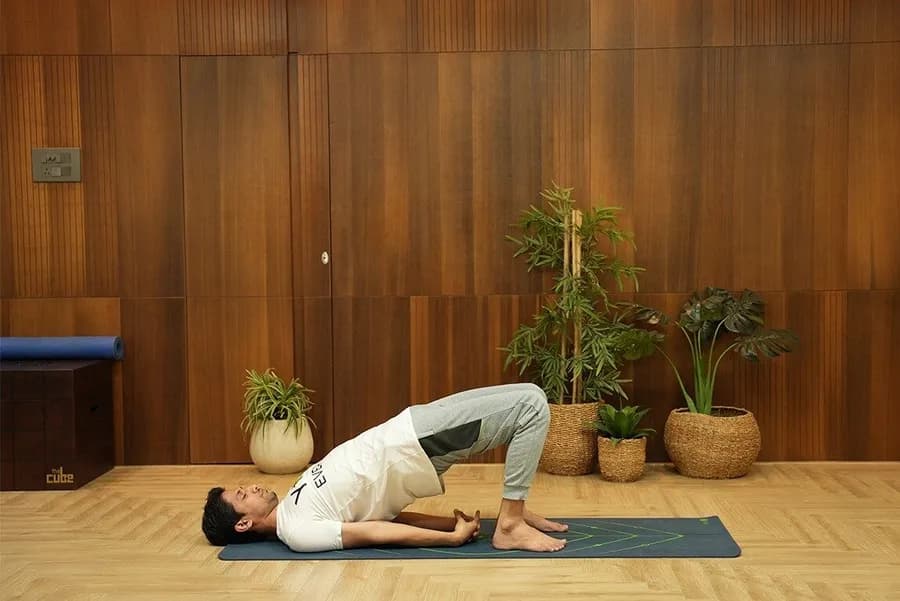
How to Do Glute Bridge: Proper Form, Benefits & Variations
Learn how to do glute bridge with proper form, common mistakes, and beginner variations. Start your strength journey with Habuild with a 14-day free trial.
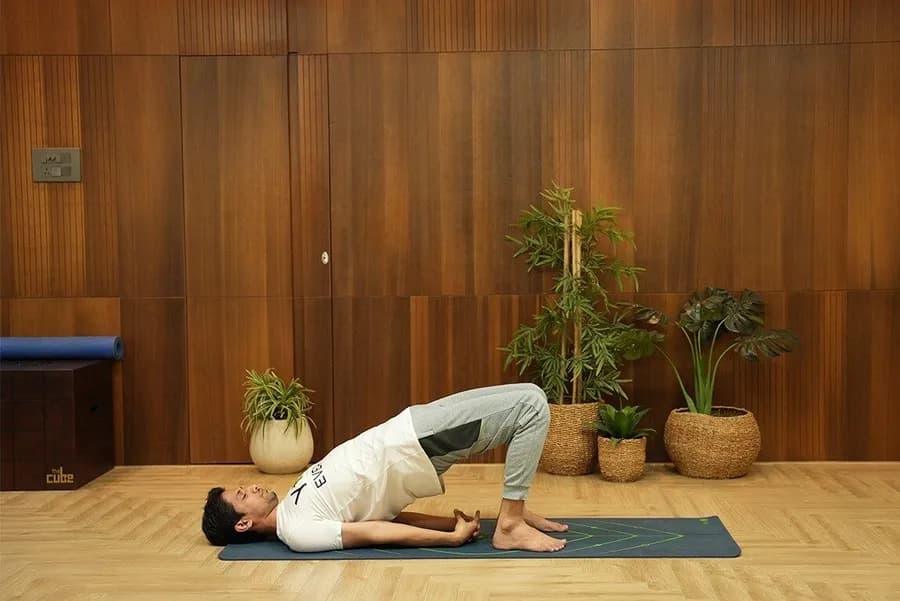
What Is Glute Bridge Exercise: Benefits & How to Do It
Lying on your back, bending your knees, and lifting your hips by squeezing your glutes strengthens the gluteus maximus, hamstrings, and core with no equipment. See the benefits and how to do it.
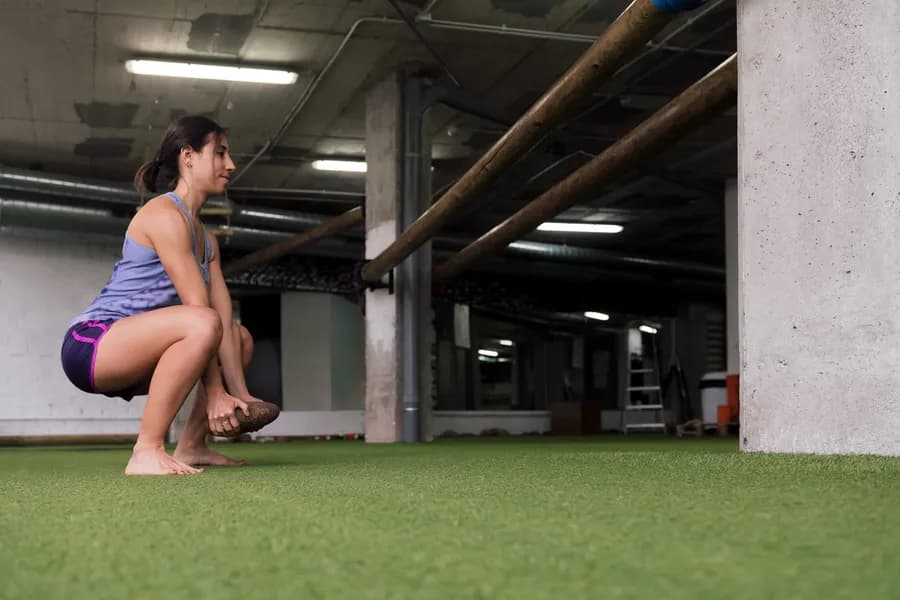
How to Do Squats Properly: Form, Benefits & Tips
Learn how to do squats properly with step-by-step guidance, common mistakes to avoid, and beginner tips. Start your strength journey with a 14-day free trial.
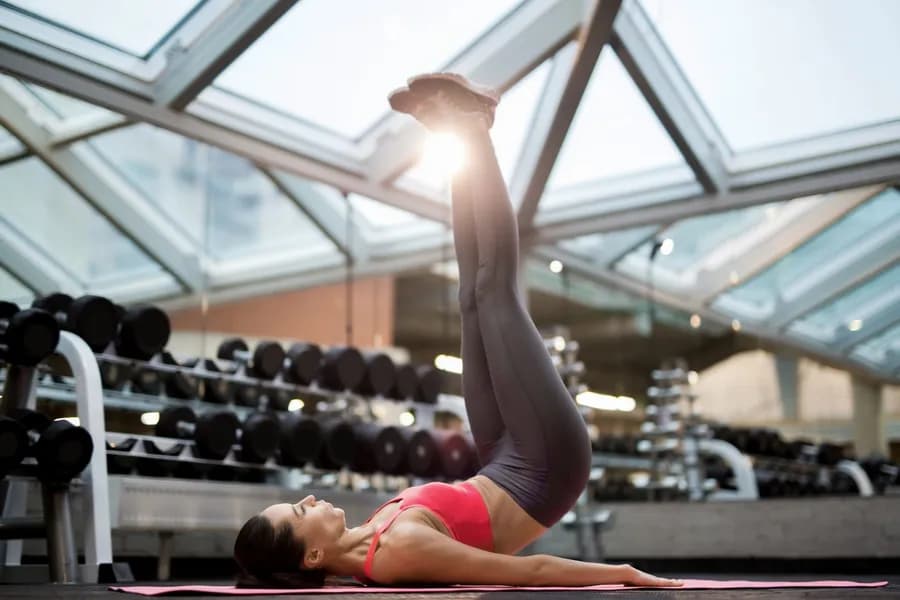
How to Do Leg Raises: Benefits, Form & Mistakes
Learn how to do leg raises correctly — benefits, best variations, common mistakes, and a beginner-friendly plan. Start your free trial with a 14-day free trial.
How to Strengthen Ankles: Exercises & Tips
Learn how to strengthen ankles with proven exercises, beginner tips, and a structured routine. Start your free 7-day trial with Habuild today.