
What Are Isometric Exercises? Benefits & Best Moves
Planks, wall sits, and static holds contract your muscles and produce force while the joint angle and muscle length stay the same. See the benefits and best moves.
Key Takeaways
- The joint angle and muscle length stay exactly the same while muscles contract under tension.
- Holding a contraction for 20 to 60 seconds activates a high percentage of muscle fibres.
- Because nothing moves, wear on the knees, shoulders, and spine stays notably low.
- A realistic start is three rounds per hold, lasting 15 to 30 seconds, two to three times weekly.
- A wall sit, forearm plank, and glute bridge hold cover most major muscle groups at once.
- Especially useful for beginners and anyone returning to training after an injury.
Isometric exercises are strength movements where your muscles contract and produce force, but the joint angle and muscle length stay the same. Think planks, wall sits, and static holds — controlled tension without movement. They build deep strength, support joints, and need no equipment, making them ideal for home workouts and beginners.
If you have ever held a plank for thirty seconds and felt your entire core shake, you have already done an isometric exercise. So what are isometric exercises, exactly? They are strength movements where your muscles contract and produce force, but the joint angle and muscle length stay the same. No lifting, no pulling, no pushing through a range of motion — just controlled holds. This guide walks you through how they work, their key benefits, the best moves to try, and how to make them part of a sustainable strength routine at home.
Why Isometric Exercises Deserve a Place in Your Routine
Most people think strength training only means lifting heavier each week. Isometrics flip that idea. By holding a position under tension, you recruit muscle fibres deeply without joint stress, which makes them especially useful for beginners, people returning from injury, and anyone training at home with minimal equipment.
Builds Deep Muscular Strength
Holding a contraction for 20 to 60 seconds activates a high percentage of muscle fibres at the exact angle you are training. Over weeks of consistent practice, this translates into noticeably better functional strength.
Supports Joint Health
Because nothing is moving, the wear on your knees, shoulders, and spine stays low. This makes isometrics one of the safer entry points into strength work, especially when paired with smart strength training exercises for the rest of your body.
Improves Posture and Stability
Wall sits, planks, and glute bridges train the deep stabilising muscles that hold you upright through the day. Better posture often follows within a few weeks of regular holds.
Eases Tension in Stiff Areas
Gentle isometric holds for the neck and hamstrings may gradually help you deal with the everyday stiffness that comes from desk work or long commutes when practiced consistently.
Works Anywhere, No Equipment Needed
A wall, the floor, or even your own palms pressing against each other can deliver a complete session. This is why isometrics fit so well into home routines.
How to Get Started with Isometric Exercises
What You Need to Begin
Nothing more than a mat, a wall, and a timer. If you want progression later, a sturdy chair or a doorway helps. That is the whole setup.
Setting Realistic Goals
Start with two to three short sessions a week. Aim for three rounds of each hold, lasting 15 to 30 seconds. Consistency over weeks matters far more than chasing a one-minute plank in week one.
Start with the Basics
Begin with full-body holds before isolating smaller groups. A wall sit, a forearm plank, and a glute bridge hold cover most of your major muscle groups and teach you how to breathe under tension.
Best Isometric Exercises to Try
Wall Sit
Slide your back down a wall until your thighs are parallel to the floor. Hold for 20 to 45 seconds. Builds quads, glutes, and mental grit.
Forearm Plank
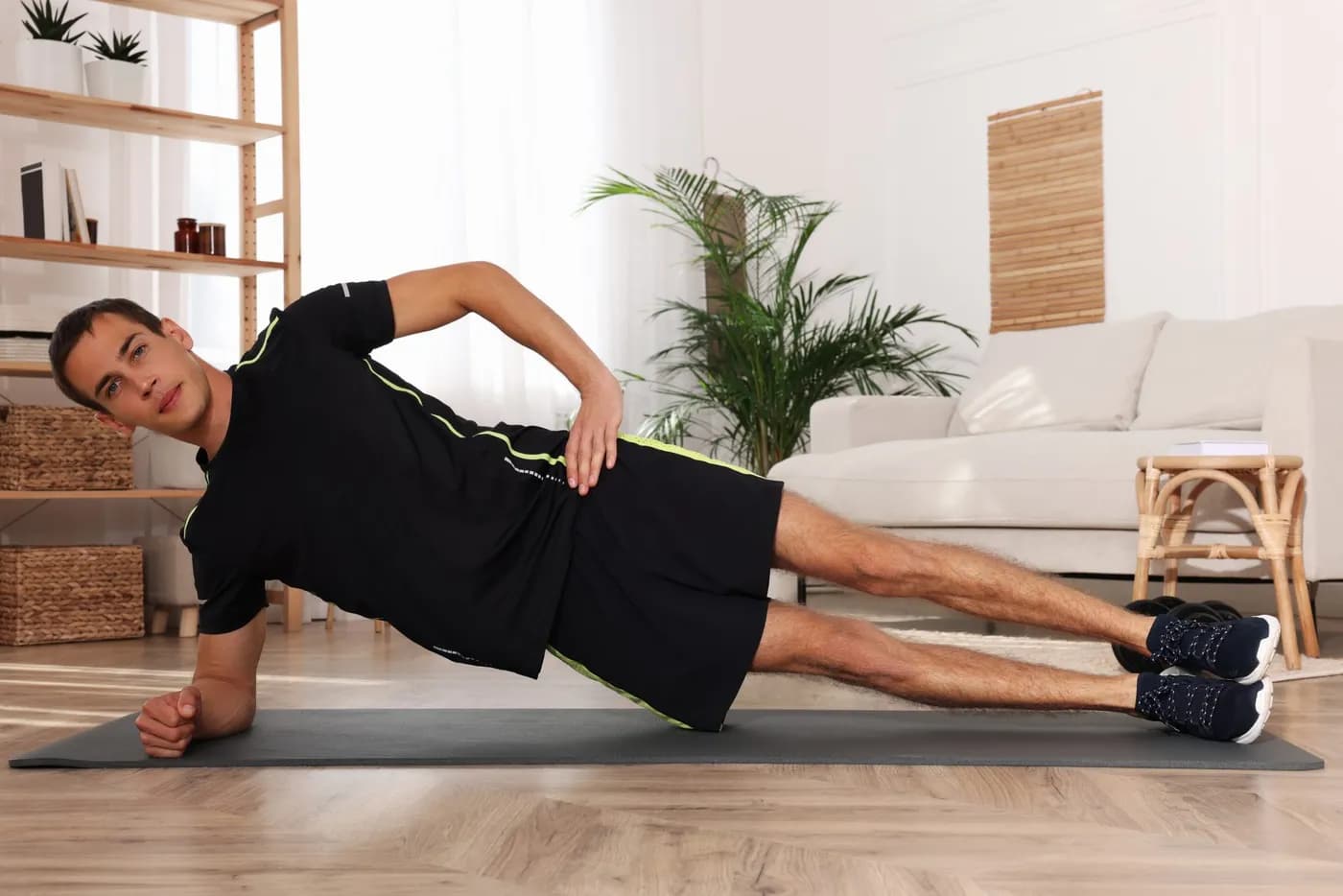
Forearms and toes on the floor, body in a straight line. Hold for 20 to 40 seconds. Trains the entire core, shoulders, and glutes at once.
Glute Bridge Hold
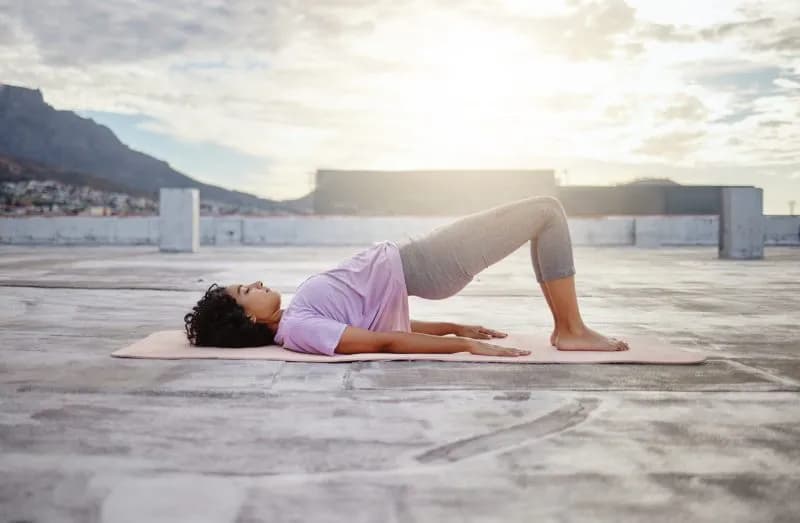
Lie on your back, knees bent, feet flat. Lift your hips and hold at the top for 30 seconds. Strengthens glutes and supports the lower back.
Isometric Neck Press
Place your palm against your forehead and press your head gently into your hand without moving. Hold for 10 seconds. Repeat on the sides and back. Excellent for neck stability if you spend hours at a screen.
Hamstring Bridge Hold
Heels on a low chair, hips lifted, hold the bridge position. A great hamstring isometric exercise that builds the back of the legs without strain.
Wall Push
Stand a step away from a wall, place your palms on it, and push as if trying to move it. Hold for 15 seconds. Engages chest, shoulders, and arms.
Squat Hold
Lower into a squat and pause at the bottom for 20 to 30 seconds. Pairs well with broader exercises for functional strength that carry over to daily movement.
Common Mistakes to Avoid
- Poor Form Sagging hips in a plank or knees caving in during a wall sit cancel out the benefits. Hold a mirror up or film yourself once a week.
- Skipping Warm-up Even though you are not moving much, cold muscles cramp under static tension. Five minutes of light mobility work makes every hold safer.
- Holding Your Breath The most common mistake. Breathe slow and steady through the hold. Holding your breath spikes blood pressure and shortens your time under tension.
- Inconsistency Doing isometrics once a fortnight gives you almost nothing. Three short, focused sessions a week, repeated for a month, is where the change shows up.
Who Should Try Isometric Exercises?
- Beginners If you have never trained before, holds are the gentlest possible entry. No coordination, no equipment, no risk of dropping a weight on yourself.
- Women Isometrics build lean, dense muscle without bulk. They work especially well alongside female strength training routines for tone, posture, and bone support.
- Older Adults Low-impact holds may support joint comfort and bone density when practiced regularly. Always check with your doctor before starting if you have a medical condition.
- Working Professionals A 12-minute isometric circuit between meetings helps counter long hours of sitting and rebuilds the postural strength most desk workers slowly lose.
Build Strength with a Routine That Actually Works
Strength is not built through random workouts. It comes from showing up to a structured plan, getting form cues from someone who is watching, and progressing at a pace your body can handle. That is exactly what daily guided sessions give you.
With Habuild's strength-focused program, you get live daily sessions, beginner-to-advanced progressions, home-friendly workouts with no equipment required, expert coaches who correct your form, and a community that keeps you accountable. If you are ready to commit to a real routine, explore the strength training program built for people who want results without burning out.
Related reads: 10 Benefits of Isometric Exercises for Strength and Daily Fitness · What Are Plyometric Exercises? Benefits & Best Moves
Isometric holds look simple, but building real strength from planks and wall sits depends on holding proper form for longer durations over time, not just gritting through a session occasionally. A guided, progressive plan is what turns static holds into measurable strength gains. Habuild's Strong Everyday program incorporates this kind of training into a structured, everyday routine.
Comparing what are isometric and isotonic exercises comes down to one difference: isometric holds a muscle at a fixed length while isotonic moves it through a range. Isometric neck exercises and other neck isometric exercises apply the same still-hold principle to smaller stabilising muscles, which is why physiotherapists often prescribe them for neck strength and posture.
Frequently Asked Questions
Related Articles
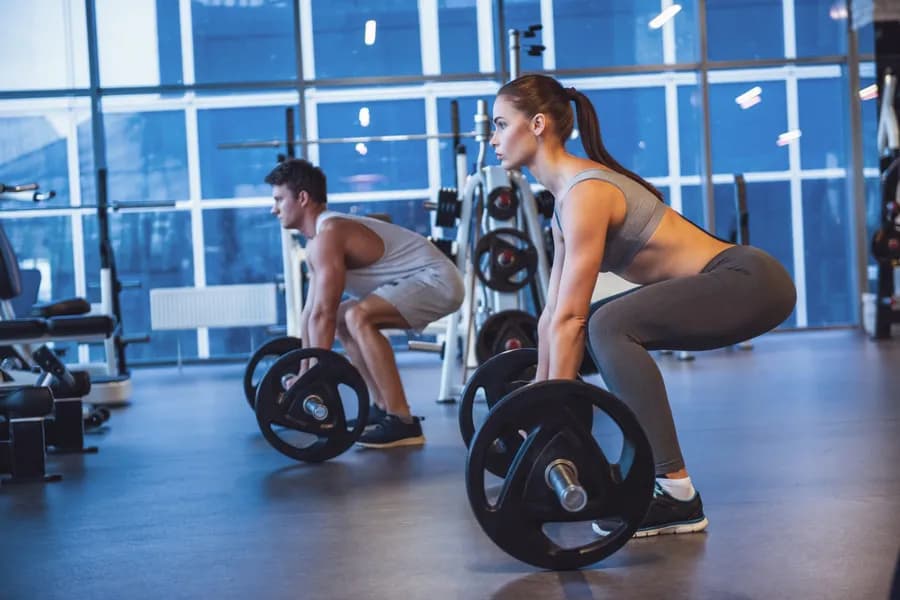
What Are Compound Exercises? Benefits & Best Moves
Squats, push-ups, deadlifts, and rows work two or more muscle groups across multiple joints at once, training your body as a system. See the benefits and best moves.

How Many Exercises Per Body Part: Smart Training Guide
The general answer is 2 to 5 exercises per muscle group, depending on its size, your training experience, and how often you train it each week. See the ideal numbers and how to structure a routine.
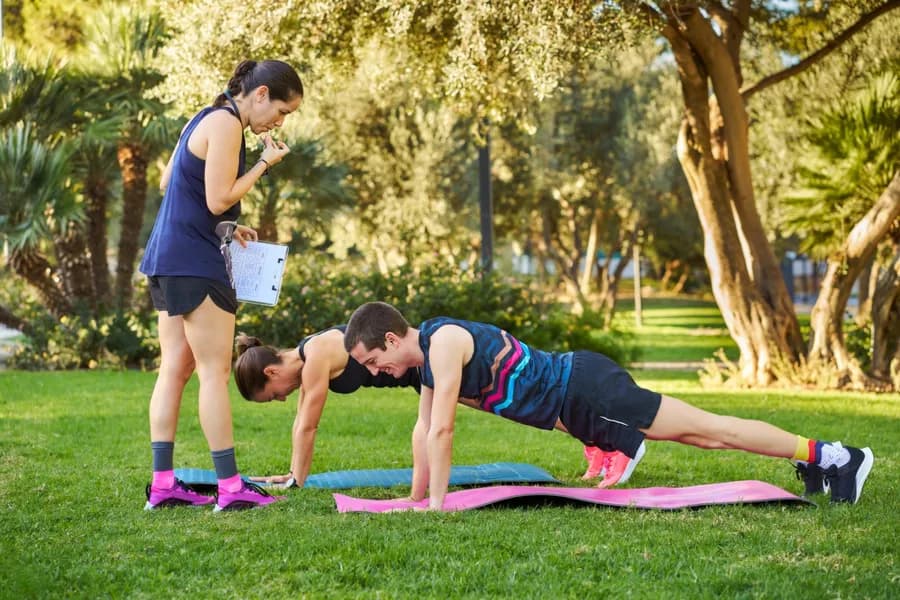
How to Do a Plank Properly: Step-by-Step Guide for Beginners
A correctly done plank activates the core, shoulders, glutes, and back muscles at once, but most people make form errors that eliminate the benefit entirely. See the step-by-step guide.
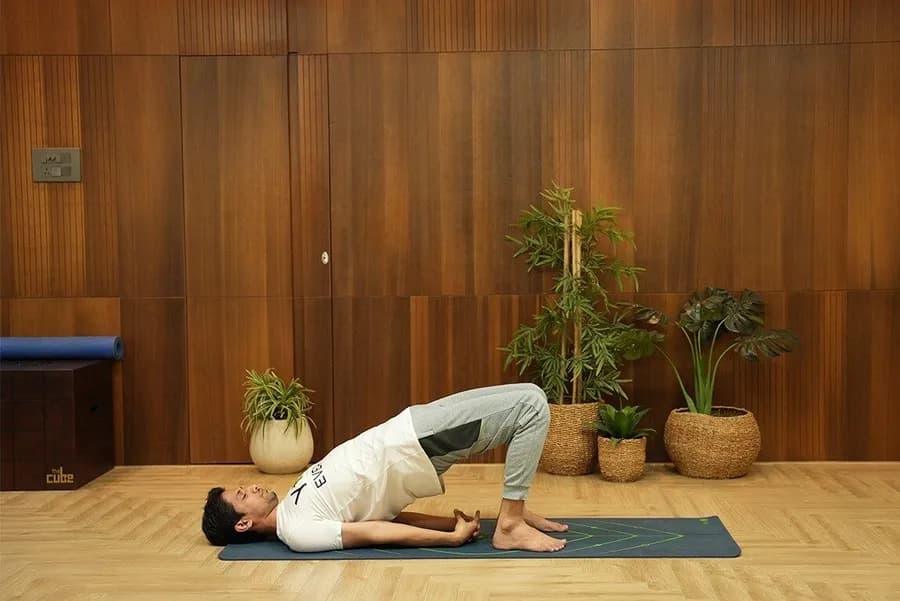
What Is Glute Bridge Exercise: Benefits & How to Do It
Lying on your back, bending your knees, and lifting your hips by squeezing your glutes strengthens the gluteus maximus, hamstrings, and core with no equipment. See the benefits and how to do it.

What Are Strenuous Exercises? Meaning, Examples & Guide
High-intensity activities like sprint intervals, heavy compound lifts, and HIIT circuits push your heart rate to 70-85% of maximum, making conversation difficult. See the meaning, examples, and guide.