
What Are Dip Exercises? Benefits, Types & How to Start
Supporting your body on your hands and lowering and raising yourself by bending your elbows builds chest, triceps, and shoulder strength together. See the benefits, types, and how to start.

Key Takeaways
- Leaning slightly forward shifts more work to the chest, while staying upright targets triceps.
- A true compound push movement that trains chest, triceps, and shoulders in one rep.
- The pushing pattern mirrors real-life movements like rising from a chair or pushing a door.
- Two sturdy chairs of equal height or a low bench work fine for early home variations.
- Beginners should start with 2-3 sets of 5-8 reps, two to three times a week.
- Progresses from assisted bench dips all the way to weighted ring dips for advanced lifters.
Dip exercises are a compound bodyweight movement where you support your body on your hands — using parallel bars, a bench, or sturdy chairs — and lower and raise yourself by bending your elbows. They build chest, triceps, and shoulder strength together, making them one of the most effective upper-body exercises you can practise at home.
If you have ever wondered what are dip exercises and why nearly every strength coach recommends them, you are in the right place. Dips train your chest, triceps, and shoulders together, which is why they remain one of the most respected upper-body exercises decades after they first became popular. In this guide, we will cover the benefits of dips, the main variations (including chest dips and tricep-focused dips), how to start as a beginner, common mistakes, and how to build a sustainable routine you can practise at home.
Key Benefits of Dip Exercises
Dips are deceptively simple, but the payoff for consistent practice is significant. Here are the main reasons they belong in your weekly routine.
- Builds Chest, Triceps and Shoulder Strength Together Dips are a true compound push movement. When you lean slightly forward, your chest does more of the work; when you stay upright, your triceps take over. Few exercises hit all three muscle groups in one rep the way dips do, which is why they pair so well with structured strength training programs.
- Improves Functional Pushing Power The movement pattern mirrors real-life pushing — getting up from a chair, pushing a heavy door, lifting yourself out of a pool. Building this pattern supports day-to-day mobility, not just gym numbers.
- No Equipment Barrier You can do dips on parallel bars, between two stable chairs, on the edge of a couch, or on a low bench. This makes them ideal for home practice and travel days.
- Supports Better Posture Because dips engage the chest, shoulders, and stabilising muscles around the shoulder blades, regular practice supports a more upright, balanced posture over time.
- Scales With You From assisted bench dips for beginners to weighted ring dips for advanced lifters, the exercise grows with your fitness level. You never really outgrow it — you simply progress the variation.
How to Get Started with Dip Exercises
Dips look intimidating, but the entry point is far gentler than most people think. The goal in the first few weeks is to build joint readiness and movement quality, not to chase reps.
What You Need to Begin
You do not need a gym. Two sturdy chairs of equal height, a low bench, or a kitchen countertop edge can all work for early variations. If you do have access to parallel bars or a dip station, even better. A yoga mat underneath helps cushion your feet during bench dips.
Setting Realistic Goals
Start with 2–3 sets of 5–8 repetitions of a beginner variation, two to three times a week. Avoid daily dipping in the first month — your shoulders and elbows need recovery days to adapt. Consistency over weeks beats intensity over days.
Start with the Basics
Bench dips and assisted dips are the right entry points. Master the controlled descent first; the press back up will follow naturally as your triceps and chest get stronger. Pair dips with complementary pulls and core work — explore strength training exercises to see how dips fit into a balanced weekly plan.
Best Dip Exercise Variations to Try

Different variations emphasise different muscles. Pick the ones that match your current level and goal.
Bench Dips (Beginner)
Sit on the edge of a bench, hands beside hips, feet on the floor. Slide your hips off the bench and lower your body until your elbows bend to about 90 degrees. Press back up. Aim for 3 sets of 8–12 reps.
Chest Dips (Intermediate)
On parallel bars, lean your torso slightly forward and let your elbows flare a little. This shifts emphasis onto the chest. Lower until your shoulders drop just below your elbows, then press up. Try 3 sets of 6–10 reps.
Tricep Dips (Intermediate)
Same setup as chest dips, but stay upright with elbows tucked close to your sides. The triceps take over. Aim for 3 sets of 6–10 reps.
Assisted Dips with a Resistance Band
Loop a resistance band across the dip bars and rest one knee in it. The band offsets some of your bodyweight, letting you build the full range of motion safely. Great for bridging from bench dips to bar dips.
Straight Bar Dips (Advanced)
Performed on a single straight bar with the body leaning forward over the bar. Demands strong shoulder mobility and is excellent for chest and front delt development.
Weighted Dips (Advanced)
Once 12+ clean bodyweight dips become easy, add a small dumbbell between your feet or a weighted belt. Drop the reps to 4–6 and progress slowly.
Common Mistakes to Avoid
Most dip injuries come from rushing the basics. Watch out for these.
- Going Too Deep Too Soon Dropping below a 90-degree elbow bend when your shoulders are not ready strains the shoulder capsule. Build depth gradually over months.
- Shrugging Through the Movement If your shoulders rise toward your ears at the bottom, your shoulder stabilisers are not engaged. Keep the shoulders down and back, chest open.
- Flaring Elbows Excessively Slight flare is fine for chest dips, but extreme flaring puts pressure on the rotator cuff. Keep elbows tracking roughly in line with your wrists.
- Skipping Warm-up Cold shoulders and stiff wrists are a recipe for trouble. Two minutes of arm circles, wrist rolls, and band pull-aparts go a long way.
- Inconsistency Doing 20 dips on Sunday and forgetting for two weeks builds nothing. Two to three short, focused sessions a week beat one heroic effort.
Who Should Try Dip Exercises?
- Beginners Bench dips are accessible to almost anyone with healthy shoulders and wrists. Start light, focus on form, and progress gradually.
- Women Dips are excellent for women looking to build upper body tone and arm definition without bulky equipment. They complement female strength training programs beautifully and help develop the kind of functional strength that supports everyday tasks.
- Older Adults Modified bench dips with feet flat on the floor can help maintain upper body strength and shoulder mobility with age. Please consult your doctor before starting if you have shoulder, elbow, or wrist concerns — dips support gradual improvement when practised under appropriate guidance, but are not a substitute for medical advice.
- Working Professionals If you spend hours at a desk, dips help counter the rounded-shoulder posture that desk work encourages. A 10-minute session three times a week supports better posture and energy through the day.
Build Strength with a Routine That Actually Works
Building real upper body strength is not about doing random workouts when motivation strikes. It is about showing up consistently, with the right guidance, so that small daily efforts compound into visible change. Dips are powerful, but they work best inside a structured plan that balances pushing, pulling, legs, and recovery.
With Habuild’s Strong Everyday program, you get daily live guided sessions, beginner-to-advanced progressions, home-friendly routines that need no equipment, expert form correction, and a community that keeps you accountable. Take the first step with a strength training home gym setup designed for real homes and real schedules.
Related reads: What Are Lunges Exercises? Benefits & How to Start · What Are Relaxation Exercises? Benefits & How to Start
Dips build serious chest, triceps, and shoulder strength, but like most compound bodyweight moves, the real gains come from progressive, structured practice rather than occasional sets whenever you remember to do them. A guided plan helps you build that upper-body strength safely and steadily. Habuild’s Strong Everyday program structures moves like dips into a broader, progressive training routine.
Among the clearest dips exercise benefits is how directly a chest dips exercise loads the chest, triceps, and shoulders together — which is exactly why a dips exercise for chest development is so often paired with pressing movements in a balanced routine.
Frequently Asked Questions
Related Articles
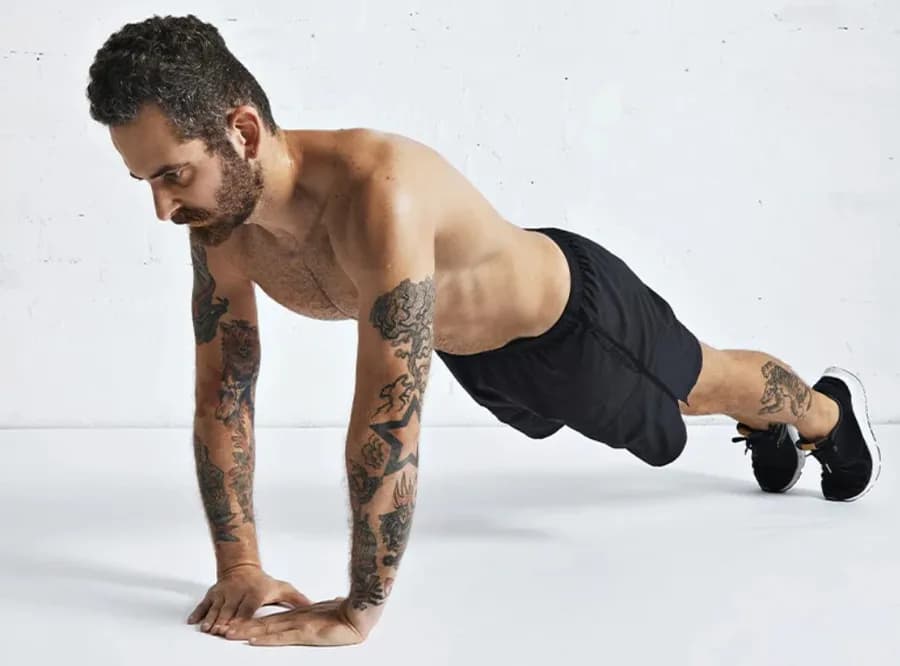
How to Do Diamond Push Ups: Triceps and Inner Chest Guide
The narrow-grip hand position shifts primary loading from the pectorals to the triceps and the inner chest, unlocking the most effective no-equipment triceps exercise. See the full technique guide.
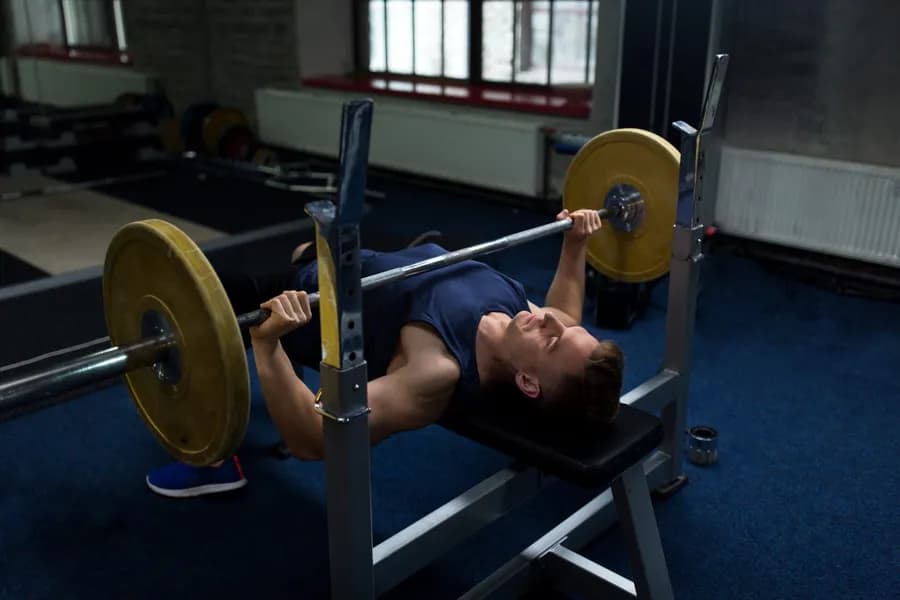
How to Do Bench Press Correctly: the Complete Form Guide
A stable base, controlled bar path, full range of motion, and the right shoulder position prevent impingement and build pressing strength safely. See the complete form guide.

What Are Compound Exercises? Benefits & Best Moves
Squats, push-ups, deadlifts, and rows work two or more muscle groups across multiple joints at once, training your body as a system. See the benefits and best moves.

How to Build Body at Home: the Complete No-Equipment Muscle Building Guide
The best available workout is the one performed daily, not the theoretically best programme that requires a commute and a fee. See the complete no-equipment muscle building guide.

How to Do Push Ups: Step-by-Step Guide for All Levels
Done correctly, the push-up builds chest, shoulder, tricep, and core strength at once with no equipment — done incorrectly, it strains the wrists and neck. See every variation with precise form cues.