
What is Bhakti Yoga? Meaning, Path of Devotion and Daily Practice
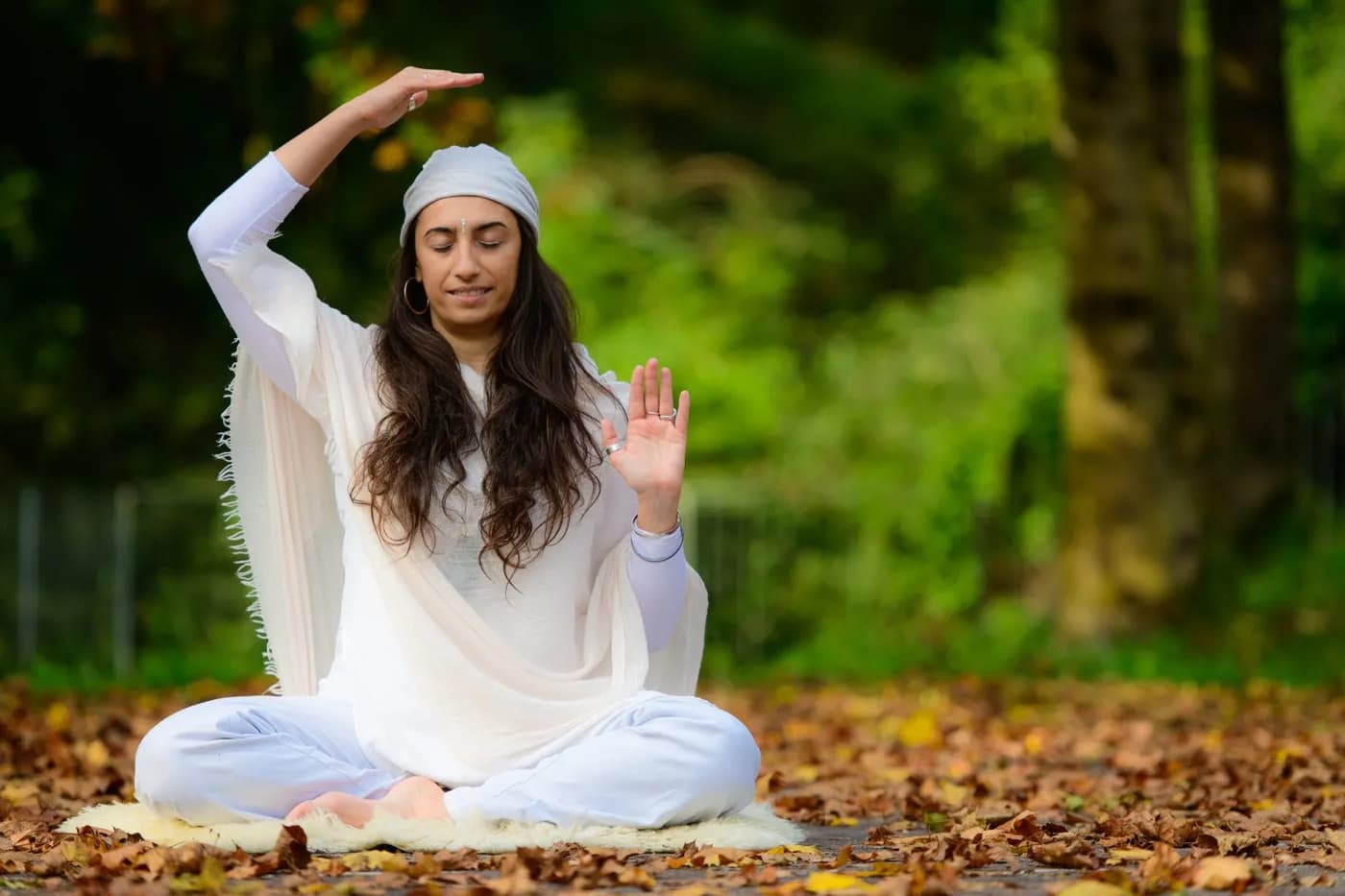
The path of devotion cultivates love for the divine through prayer, chanting, ritual, and selfless service, rather than through physical postures. See the.

Key Takeaways
- One of four classical paths in the Bhagavad Gita, alongside Karma, Jnana, and Raja Yoga.
- Fundamentally emotional and spiritual, built on devotional love rather than physical asana.
- Practised through prayer, chanting, ritual, and selfless service rather than postures.
- A traditional altar with divine imagery is customary but entirely optional to begin.
- Subtle emotional shifts emerge within weeks; deeper devotional experience takes months to years.
- Community practice supports the social belonging that healthy ageing specifically depends on.
Bhakti Yoga is the path of devotion and love — one of the four classical paths of yoga alongside Karma Yoga (selfless action), Jnana Yoga (knowledge), and Raja Yoga (meditation). Pronounced BHAK-tee, the Sanskrit word means “devotion” or “love.” Unlike physical yoga that emphasises asanas, Bhakti Yoga is fundamentally an emotional and spiritual path — cultivating devotional love for the divine through prayer, chanting, ritual, and selfless service. This guide explains what Bhakti Yoga is, its central place in the Bhagavad Gita, its main focus, and how to integrate it into daily life.
Benefits of Bhakti Yoga: Why People Practise It
- Reduces Stress through Surrender and Devotion The fundamental practice of Bhakti — surrender to the divine — directly reduces the stress that comes from struggling to control outcomes. Practitioners report significant emotional peace and reduced anxiety. Members managing concurrent stress often pair their practice with ouryoga for stress management programme.
- Cultivates Love, Compassion and Emotional Health Bhakti’s emphasis on cultivated devotion expands the heart’s capacity for love and compassion — supporting healthier relationships, reduced anger, and improved emotional regulation over months of practice.
- Provides Sense of Purpose and Meaning The framing of life as devotional service produces deep meaning that addresses existential dissatisfaction common in modern life. Members focused on broader breath capacity often pair their work with ouryoga for breathing programme.
- Calms the Mind through Mantra Repetition The chanting and mantra repetition central to Bhakti produces measurable nervous system calming similar to formal meditation — but accessible without seated meditation experience. Members focused on broader flexibility often pair their work with ouryoga for flexibility programme.
- Supports Devotional Community and Belonging Bhakti is often practised in community — supporting the social belonging and connection that healthy ageing depends on. Members focused on broader posture work often pair their training with ouryoga for posture programme.
How to Get Started with Bhakti Yoga
What You Need to Begin
Bhakti requires no special equipment — only the intention to cultivate devotion. A simple altar with images or symbols of divine forms (Krishna, Shiva, Devi, or your chosen form) is traditional but optional. A copy of the Bhagavad Gita is valuable for understanding the philosophical foundation.
Setting Realistic Goals
Bhakti is a lifelong practice. Begin with 15–20 minutes of daily devotional practice (chanting, prayer, mantra repetition) and gradually increase. Subtle emotional shifts emerge within weeks; deeper devotional experiences develop over months to years.
Start with the Basics
Begin with simple practices — chanting “Om” or a chosen mantra, reading inspirational spiritual texts, performing one act of selfless service daily, or simply cultivating gratitude and devotion in everyday activities.
The Nine Forms of Bhakti (Navadha Bhakti)
Sravana — Hearing Sacred Stories
Listening to spiritual teachings, sacred stories, and discourses about the divine. Foundation practice that establishes devotional context.
Kirtana — Singing and Chanting
Singing or chanting devotional songs and mantras. One of the most accessible Bhakti practices.
Smarana — Remembrance
Continuous remembrance of the divine throughout daily activities. Maintaining devotional awareness during work and life.
Pada-Sevana — Service to Divine Feet
Symbolic service expressed through reverent attention to spiritual guidance and teachers.
Archana — Ritual Worship
Performing ritual worship with offerings of flowers, food, and prayers. Traditional devotional practice.
Vandana — Prostration and Prayer
Bowing in reverence — physical expression of humility and devotion.
Dasya — Servitude
Approaching the divine as a servant — surrendering personal will to higher purpose.
Sakhya — Friendship
Approaching the divine as a friend — cultivating personal relationship with the chosen form.
Atma-Nivedana — Complete Self-Surrender
The deepest form of Bhakti — complete self-surrender to the divine. The traditional culmination of the Bhakti path.
Common Mistakes to Avoid in Bhakti Yoga
- Confusing Devotion with Religious Dogmatism Bhakti is universal devotion, not narrow religious dogmatism. Correction: cultivate devotion that respects diverse forms of the divine across traditions.
- Practising Without Understanding Some practitioners chant mantras mechanically without understanding their meaning. Correction: study the meaning of practices to deepen authentic devotion.
- Inconsistent Practice Bhakti benefits compound through consistency. Correction: prioritise daily devotional practice over occasional intense sessions.
- Performing Devotion for Recognition Some practitioners practise devotion publicly while remaining ego-driven privately. Correction: cultivate sincere private devotion alongside any public expressions.
Who Should Try Bhakti Yoga?
- Beginners Seeking Heart-Centred Practice Bhakti is particularly accessible to beginners with emotional or devotional inclinations. Heart-based practice often suits those who find seated meditation difficult.
- Women Women across cultures find Bhakti deeply resonant — its emphasis on love, compassion, and devotional relationship aligns with many women’s natural emotional orientations.
- Older Adults Seeking Deeper Meaning Older adults reflecting on life’s deeper questions find Bhakti particularly meaningful. (Disclaimer: those with diagnosed psychological conditions should engage Bhakti as complement to professional mental health care.)
- Working Professionals Seeking Daily Meaning Working professionals managing demanding schedules benefit from Bhakti’s integration into daily activities — every action becomes opportunity for devotion.
Build a Yoga and Devotional Practice with a Routine That Actually Works
Building a sustainable Bhakti practice alongside daily yoga isn’t about isolated retreats — it’s about consistency and integration into daily life. With the right guidance and supporting physical practice, you can practise yoga and devotion effectively from home. The same daily-practice habit foundation drives ourdaily online yoga classes that members rely on every morning.
What You Get with Habuild’s Yoga Everyday Program:
- Daily live guided yoga sessions
- Beginner to advanced progression
- No-equipment & home-friendly practice
- Expert guidance to ensure correct form
- Community support to stay consistent
Start Your Yoga Journey
Devotion, like most yogic paths, deepens through repetition — chanting, prayer or contemplative practice returned to daily tends to open something that a single moving experience rarely can on its own. Bhakti Yoga’s emotional depth is cultivated the same way physical steadiness is: through showing up again and again. Habuild’s Yoga Everyday program can anchor that daily return to practice, giving devotional or reflective work a steady physical routine to sit alongside.
What is Bhakti Yoga in Bhagavad Gita? It is one of the text’s three central paths, alongside Karma and Jnana Yoga. And what is Bhakti Yoga related to at its heart — devotion and surrender, rather than technique or philosophy alone.
Frequently Asked Questions
Related Articles

What Is Yoga Mudra? A Complete Guide to Types, Benefits & Practice
Mudras are intentional hand gestures — and sometimes full-body postures — used to influence the flow of energy in the body. See the types, benefits, and how consistent practice supports mental clarity.

What Is Yoga Asana? A Complete Guide to Poses, Benefits & Getting Started
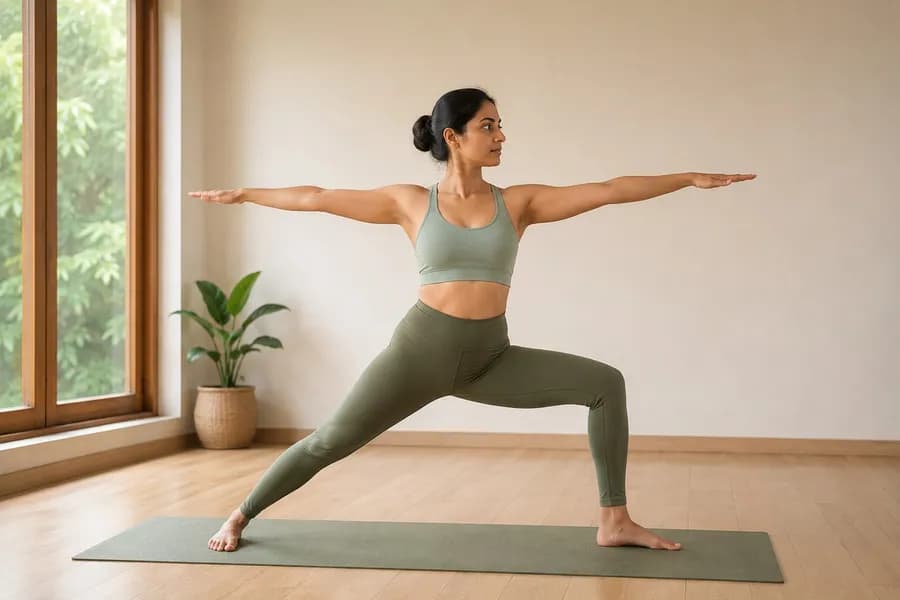
A yoga asana is a specific body posture held with awareness, breath, and intention — working on flexibility, strength, posture, and the nervous system simultaneously. See the complete guide to poses and benefits.

What is Mudra in Yoga? a Complete Guide to Yoga Mudras
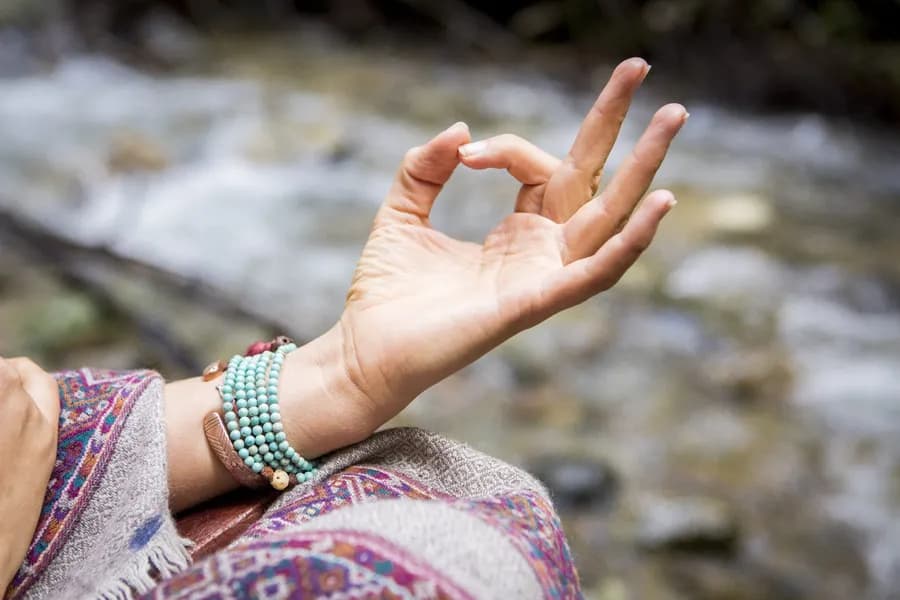
Mudras are psycho-physical seals that influence the physiological state through nerve endings in the fingers, the psychological state through symbolism,