
Purna Dhanurasana (Full Bow Pose): Steps Benefits and Key Differences
Practice Purna Dhanurasana with Habuild. Follow full bow pose steps to strengthen your spine, open your chest, and improve full-body flexibility. Start today!
Key Takeaways
- The word ‘Purna’ distinguishes this full clasp-and-draw version from standard Dhanurasana.
- Feet are drawn actively toward the head rather than just held, tightening the bow arc further.
- Hips must stay on the floor during initial entry – only the thighs lift as the bow deepens.
- Names three principles – equal tension, grounded hips at entry, and breath-driven deepening.
- The chest-open position is linked to a specific neurological association with confidence.
- Progresses from Shalabhasana through standard Dhanurasana before attempting the full clasp.
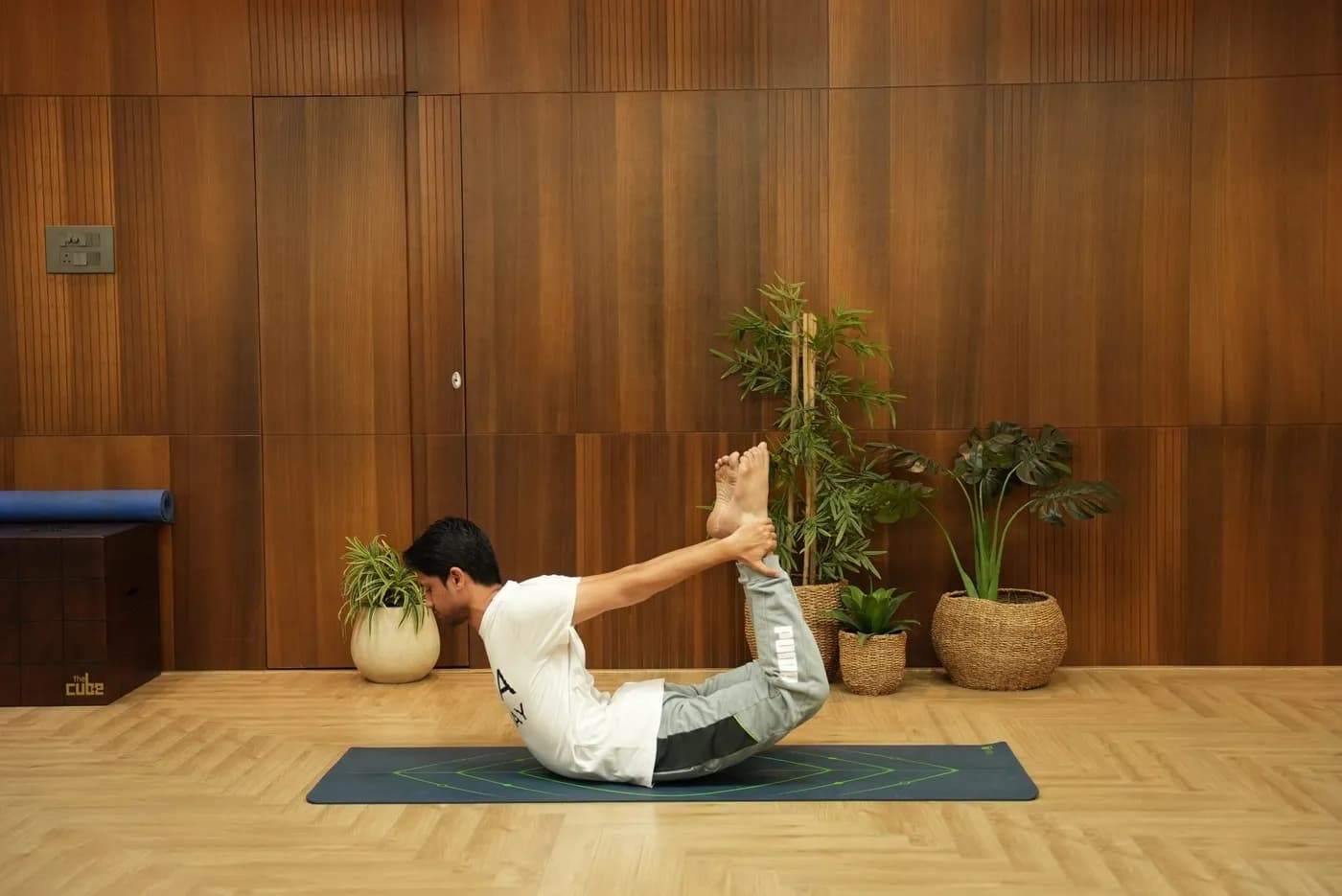
Purna Dhanurasana, or Full Bow Pose, clasps the outer ankles and draws the feet toward the head — creating deep anterior body stretching, posterior chain strengthening, and direct digestive organ massage through a breath-driven rocking motion. It is the natural progression from standard Dhanurasana. Suitable for intermediate practitioners through progressive preparation.
What is Purna Dhanurasana?
Purna Dhanurasana — known in English as Full Bow Pose — derives from Sanskrit: Purna (full or complete), Dhanu (bow), and Asana (posture). The word Purna distinguishes this from standard Dhanurasana: in the full expression, the practitioner clasps the outer ankles and draws the feet actively toward the head — the body forming a tighter, more complete bow arc.
The Dhanurasana family shares a distinctive therapeutic quality: the simultaneous anterior body stretch and posterior chain strengthening created by the clasping action. The legs are drawn upward by the hands while the hands are simultaneously pulled forward by the legs — creating a dynamic tension that deepens spinal extension beyond what either component alone achieves.
At Habuild, Purna Dhanurasana is taught progressively — from Shalabhasana and standard Dhanurasana to the full expression — with careful attention to the ankle-clasping technique and the breath-driven rocking.
Benefits
Physical Benefits
- Provides Deep Anterior Body Stretch Purna Dhanurasana stretches the hip flexors, quadriceps, abdominal muscles, intercostals, and anterior shoulders simultaneously — one of the deepest anterior chain openings in prone backbend yoga.
- Builds Posterior Chain Strength Sustained engagement of the erector spinae, rhomboids, posterior deltoids, glutes, and hamstrings builds the posterior chain strength that is the primary protection against chronic back pain.
- Stimulates Digestive Organs Through Abdominal Compression The rhythmic rocking motion and sustained abdominal compression directly massage the stomach, small intestine, and liver — stimulating digestive enzyme production and peristalsis.
- Stimulates the Thyroid and Supports Metabolic Health The thoracic and cervical extension stimulates the thyroid gland, supporting thyroid health and metabolic activation.
Mental Benefits
- Energises and Produces Expansive Vitality The full anterior body expansion produces a powerful energetic uplift — the chest-open position is neurologically associated with confidence and elevated energy.
- Develops Precise Body Awareness The equal opposing tension between hands pulling feet and feet pushing into hands requires continuous proprioceptive engagement and sustained directed attention.
How to Do Purna Dhanurasana — Step-by-Step Instructions
Key Principles
Key Principles Three principles: equal dynamic tension — both hands and feet actively resist each other with equal force; hips stay on the floor during initial entry — only the thighs lift as the bow deepens; and breath drives the deepening — exhale to draw feet closer, inhale to create length.
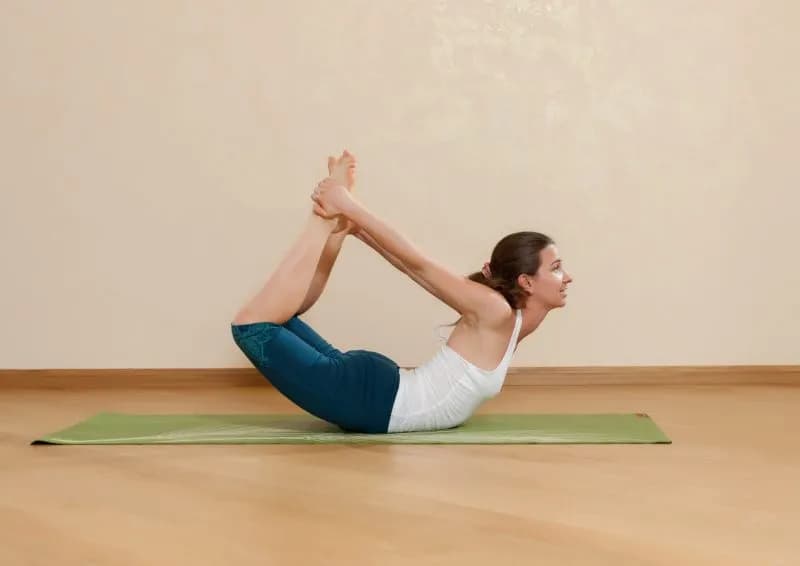
Purna Dhanurasana — Step by Step Step 1: Prone Starting Position Lie face-down on the mat, legs hip-width apart, arms alongside the body. Allow the body to relax briefly before beginning.
Step 2: Bend the Knees and Clasp the Outer Ankles Bend both knees, drawing the heels toward the buttocks. Reach both hands back and clasp the outer ankles — not the tops of the feet. The outer ankle clasp provides more stable leverage.
Step 3: Inhale and Begin the Lift On the exhale, press the feet upward and backward into the hands while simultaneously lifting the chest off the floor. Draw the shoulder blades toward each other.
Step 4: Draw the Feet Toward the Head For Purna Dhanurasana: continue drawing the feet toward the head, allowing the thighs to fully lift off the floor. The body balance point shifts to the lower abdomen.
Step 5: Rocking Motion — Breathe and Deepen Use the natural rocking motion — rocking forward on the inhale as the chest rises, backward on the exhale. This rhythmic motion massages the abdominal organs. Hold or rock for 5–8 breath cycles.
Step 6: Lower Simultaneously and Rest To release: exhale and lower the chest and legs simultaneously. Rest in Makarasana (Crocodile Pose) for five breaths before repeating.
Breathing
The breath-driven rocking motion is Dhanurasana’s most therapeutically valuable quality. Inhale as the body rocks forward — chest rises; exhale as it rocks backward. This rhythmic motion provides a self-administered abdominal massage that neither static holding nor forced depth can replicate.
Preparatory Poses
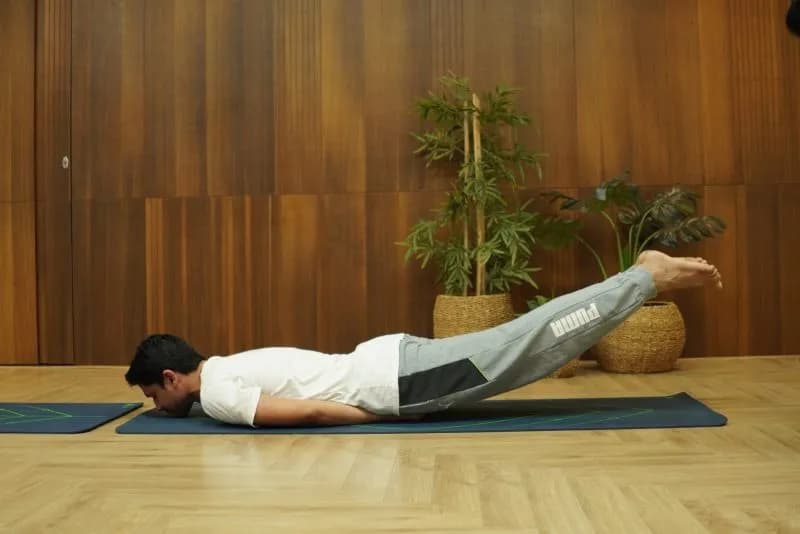
- Shalabhasana (Locust Pose, 3 rounds) — Builds the posterior chain strength the full bow requires.
- Bhujangasana (Cobra, 5 breaths) — Warms the spinal extension and anterior body opening.
- Standard Dhanurasana (3 rounds) — The direct precursor — thighs on the floor, moderate bow shape.
Variations
- Variation 1: Standard Dhanurasana — Foundation Ankles clasped, thighs on or near the floor — the essential starting point before the full deepening of Purna Dhanurasana.
- Variation 2: Dhanurasana with Strap A yoga strap looped around both ankles allows the pulling action before direct hand-to-ankle contact is possible — recommended for all beginners.
- Variation 3: Parsva Dhanurasana — Rolling Variation From the full Bow Pose, rolling slowly to one side and then the other — providing a lateral massage of the abdominal organs.
Common Mistakes to Avoid
- Clasping the Tops of the Feet Rather Than the Outer Ankles The outer ankle clasp provides the most stable and effective leverage for drawing the feet toward the head. The foot-top clasp creates wrist strain and a less effective pulling angle.
- Knees Splaying Wider Than Hip-Width The knees must remain parallel and hip-width throughout — splaying reduces the posterior thigh engagement and creates asymmetric sacroiliac loading.
- Holding the Breath The rocking breath motion is the core mechanism of the pose’s digestive and spinal benefits. Holding the breath converts the therapeutic, dynamic bow into a static, compressive struggle.
Who Should Practise?
- Those Building Deep Anterior Chain Flexibility The natural prone milestone for practitioners who have established standard Dhanurasana and are working systematically toward deeper anterior chain flexibility.
- Those with Digestive Issues The direct abdominal organ massage of the prone bow with rocking motion makes it one of the most effective prone postures for comprehensive digestive stimulation.
- Is Purna Dhanurasana Good for Beginners? Standard Dhanurasana with a strap is accessible to intermediate practitioners. The full Purna Dhanurasana requires the quadriceps flexibility and posterior chain strength developed through consistent Shalabhasana and standard Dhanurasana practice.
Make Purna Dhanurasana a Part of Your Practice
Purna Dhanurasana is yoga’s most dynamically therapeutic prone backbend — its equal-tension bow arc and breath-driven rocking motion delivering anterior chain stretching, posterior chain strengthening, and direct digestive organ massage in a single expansive expression.
Whether working with the strap-assisted Dhanurasana or drawing the feet fully toward the head in the complete bow, consistent daily practice builds the anterior flexibility and posterior strength that make this posture one of the most rewarding milestones in yoga.
The most effective way to learn Purna Dhanurasana correctly — with outer ankle clasp technique, rocking breath guidance, and progressive knee alignment — is under live expert guidance with Habuild.
Start your 14 day free yoga journey with Habuild, today!
Related reads: Dhanurasana (Bow Pose): Steps Back Flexibility and Digestive Benefits · Purna Chakrasana (Full Wheel Pose): Steps Benefits and Safety
The full expression of Bow Pose demands more shoulder and hip flexibility than most people have on day one, and that range only opens up through patient, repeated practice of the preparatory variations first. Rushing toward the full shape tends to stall progress rather than speed it up. Habuild’s Yoga Everyday program builds toward advanced backbends like this gradually, through a properly sequenced daily practice.
Frequently Asked Questions
Related Articles
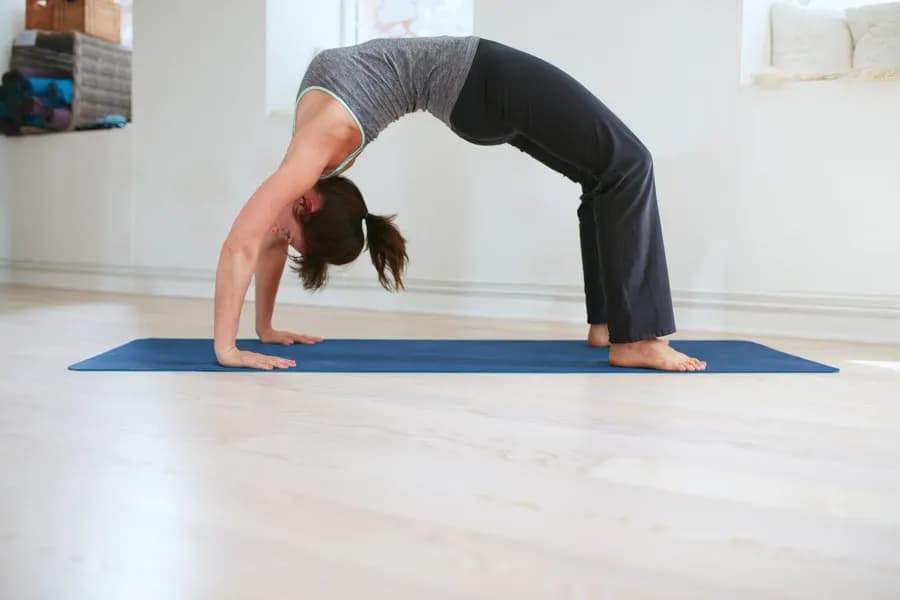
Urdhva Dhanurasana (Upward Bow Pose): Steps Benefits and Safety
Practice Urdhva Dhanurasana with Habuild. Follow the wheel pose steps to open your chest, strengthen your spine, and improve full-body flexibility. Start today!
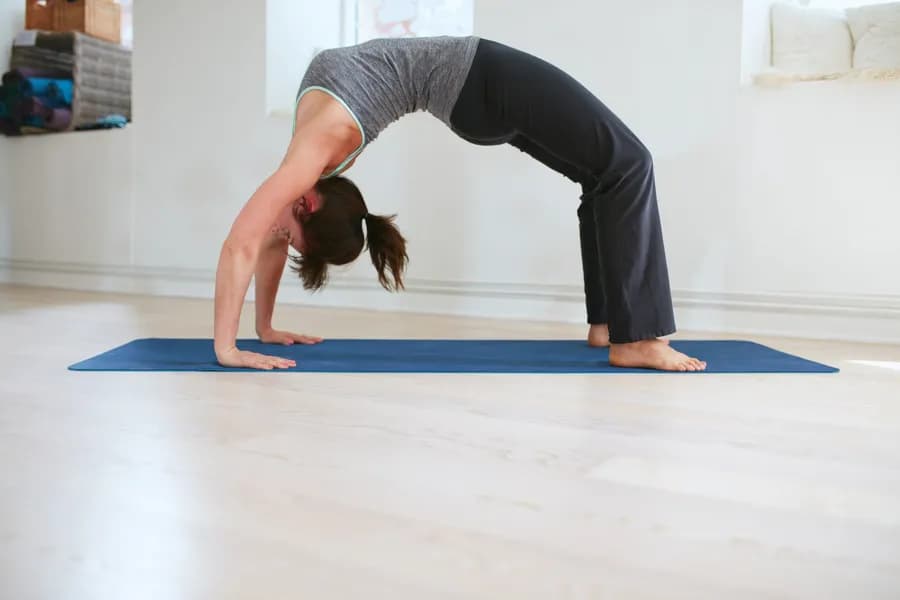
Purna Chakrasana (Full Wheel Pose): Steps Benefits and Safety
Practice Purna Chakrasana with Habuild. Follow full wheel pose steps to open your chest, strengthen your spine, and improve full-body flexibility. Start today!
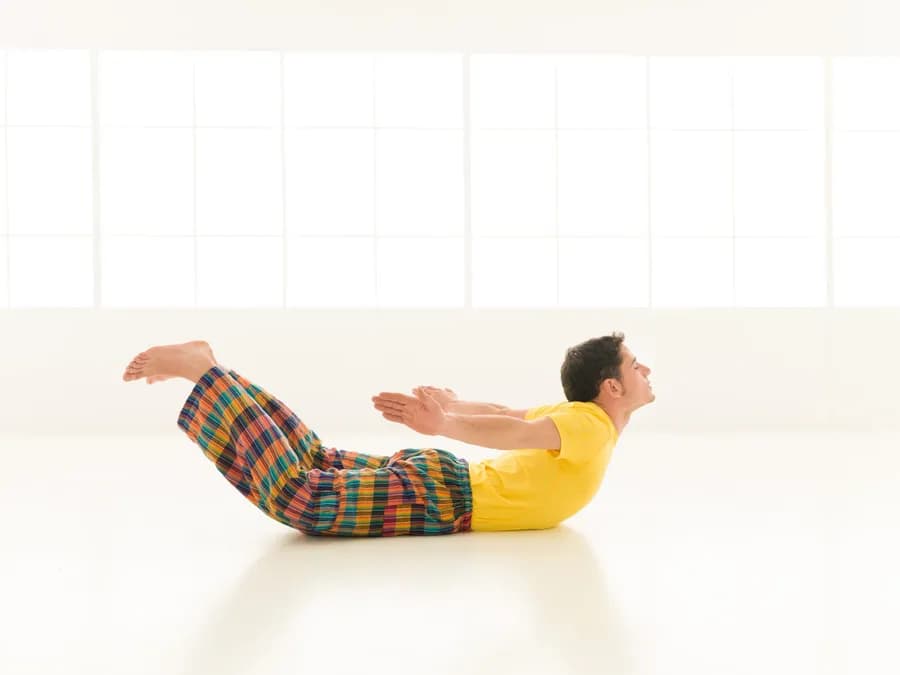
Shalabhasana (Locust Pose): Steps, Back Benefits and Precautions
Practice shalabhasana with Habuild. Try shalabhasana yoga to strengthen your back, improve posture, and boost core strength. Start your yoga session today!
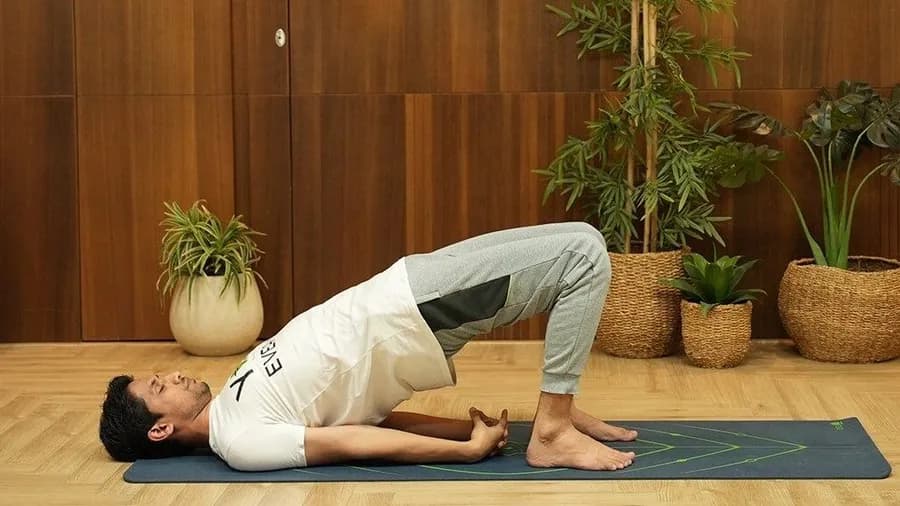
Setu Bandhasana (Bridge Pose): Steps Benefits and Modifications
Try setu bandhasana with Habuild. Master the setu bandhasana bridge pose to strengthen your spine, open the chest, and reduce stress. Start your session now!
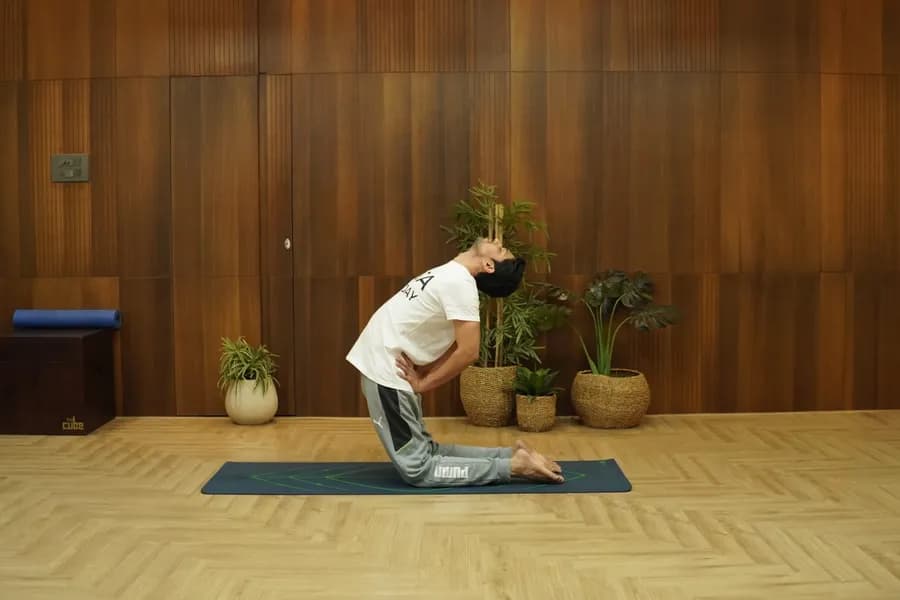
Ustrasana: Camel Yoga Pose, Steps & Yoga Benefits
Ustrasana, or Camel Pose, is a kneeling backbend that deeply stretches the hip flexors, chest, and entire anterior spine while strengthening the back.