
Ushas Mudra Benefits: Steps, Uses & Precautions
Interlacing all ten fingers with a gender-specific thumb placement, held near the lower abdomen at dawn, is traditionally used to awaken dormant energy.

Key Takeaways
- Practiced at dawn by interlacing all ten fingers with a gender-specific thumb placement.
- The Sanskrit name Ushas refers to dawn, symbolizing a salute to new beginnings.
- Traditionally believed to stimulate the Svadhisthana (sacral) chakra upon waking.
- Held for 10-30 minutes near the lower abdomen to shift the body from sleep to alertness.
- May gradually ease morning stiffness in the small joints of the hands and wrists.
- Pairing it with Surya Namaskara creates a natural full-body morning warm-up routine.
Ushas Mudra is a classical hand gesture from Hatha and Tantric yoga, traditionally practised at dawn. Commonly discussed Ushas Mudra benefits include awakening dormant energy, supporting hormonal balance, calming the mind and improving morning focus through consistent practice.
What is Ushas Mudra?
Ushas Mudra is a hand gesture deeply rooted in classical Tantric and Hatha yoga traditions. The Sanskrit word Ushas (उषस्) refers to the dawn — the moment of awakening before sunrise — making this mudra a symbolic salute to new beginnings. Pronounced “oo-shaas moo-dra,” it belongs to the category of hasta mudras (hand gestures) and is traditionally practised to awaken dormant energy at the start of the day.
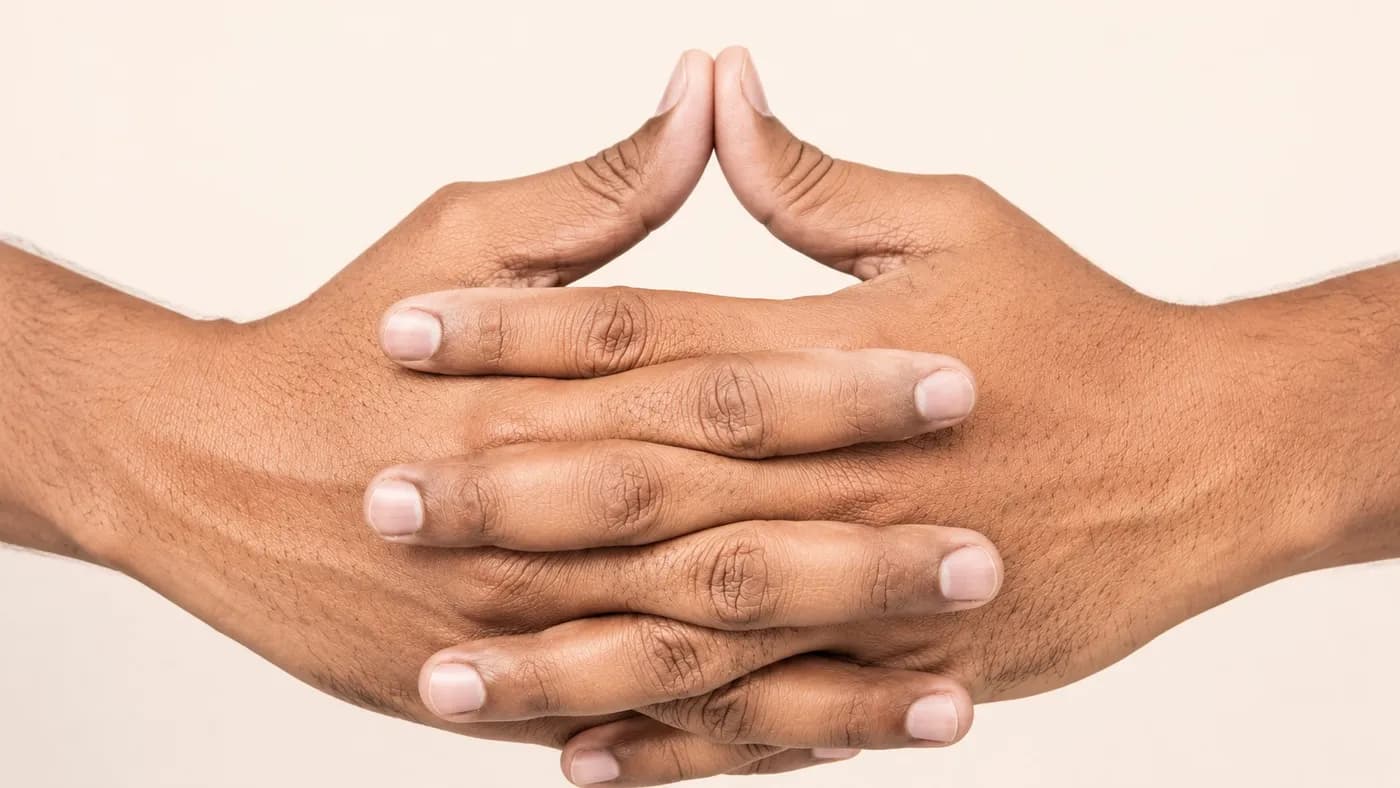
In its classic form, the mudra is performed by interlacing all ten fingers and, for women, placing the right thumb on top of the left thumb with gentle pressure applied; for men, the left thumb presses over the right thumb. This subtle thumb placement is said to influence the flow of prana through different nadis (energy channels), making the gesture gender-specific in traditional practice.
Within the broader yoga system, Ushas Mudra sits alongside powerful hand seals like Hasta Mudras as a practice that bridges physical posture and subtle energy work. Traditionally practised for a few minutes immediately upon waking, it is believed to stimulate the Svadhisthana (sacral) chakra, support hormonal balance, and shift the mind from sleep inertia into alert, purposeful wakefulness — a gentle on-switch for the entire system.
Ushas Mudra Benefits
Regular practice may offer several Ushas Mudra benefits for the body and mind. Although many of these effects come from traditional yogic knowledge and require further scientific research, practitioners commonly associate the mudra with improved energy, focus and relaxation.
Physical Ushas Mudra Benefits
- Activates the Body’s Natural Waking Energy One of the most recognised Ushas Mudra benefits is its ability to support a more energised start to the day. Practising Ushas Mudra first thing in the morning may gradually ease grogginess and help the body shift from rest to alertness.Practising Ushas Mudra first thing in the morning may gradually ease the grogginess that accompanies sudden waking. The interlaced finger position is thought to channel prana toward the lower energy centres, helping the body shift from a restful state to an alert one. Regular morning practice supports a more consistent and energised start to the day.
- Supports Hormonal Balance Through Consistent Practice The mudra’s association with the Svadhisthana chakra — which governs reproductive and endocrine function — means it is traditionally used to support hormonal balance. For women managing cycle irregularities and for men seeking steadier energy levels, consistent daily practice may help the body gradually ease toward regulation over time. This complements medical care rather than replacing it.
- May Ease Morning Stiffness in the Hands and Wrists Among the physical Ushas Mudra benefits is gentle mobilisation of the fingers, hands and wrists. The interlaced position may gradually reduce ordinary morning stiffness when practised regularly and without excessive pressure.The gentle interlacing and sustained pressure of the fingers creates mild mobilisation of the small joints in the hands. Over weeks of regular practice, this can help those who experience morning stiffness feel progressively more at ease. Pairing Ushas Mudra benefits with Surya Namaskara creates a natural morning routine that warms the entire body from hands to spine.
Mental and Emotional Benefits
- Calms the Nervous System and Reduces Morning Anxiety Held in stillness for 10–15 minutes, Ushas Mudra encourages slow, conscious breathing that activates the parasympathetic nervous system. This is particularly useful for those whose first waking moments are accompanied by a rush of anxious thoughts. With consistent practice, the gesture supports management of stress by anchoring attention before the day’s demands take hold.
- Improves Focus and Mental Clarity The deliberate hand position requires mild attention to sustain, which itself acts as a concentration anchor — a micro-meditation that builds focus from the very first minutes of the day. Practitioners often report feeling sharper and more intentional in their early-morning decisions. This clarity is one of the most cited ushas mudra benefits among long-term practitioners.
How to do Ushas Mudra for Maximum Benefits
Key Principles
Ushas Mudra is most effective when practised in stillness and silence, ideally between 4:00 AM and 6:00 AM (the Brahma Muhurta). Sit on a flat surface — a bed, yoga mat, or chair — with the spine upright but not rigid. Keep the jaw soft, the shoulders relaxed, and the breath natural. The hands rest lightly in the lap at the level of the lower abdomen, which is where the sacral chakra is located.
Step 1: Starting Position
Sit in a comfortable cross-legged position such as Sukhasana (Easy Pose) or simply sit upright on the edge of your bed. Close your eyes gently. Take three slow, natural breaths to settle the mind before forming the mudra. Feel the spine lengthen and the shoulders drop away from the ears.
Step 2: Interlace the Fingers
Bring both hands in front of your lower abdomen, palms facing upward. Slowly interlace all ten fingers so that they weave between each other comfortably. Avoid gripping tightly — the hold should feel firm but relaxed. The back of the hands will naturally face downward once the fingers are woven together.
Step 3: Position the Thumbs
This step differs by gender and is a defining feature of the mudra. Women: place the right thumb on top of the left thumb, with the right thumb pressing gently but firmly down onto the left. Men: place the left thumb on top of the right, pressing down with equal gentleness. Feel the subtle point of contact — this is the active focal point of the gesture.
Step 4: Place the Hands at the Svadhisthana Level
Rest your interlaced hands lightly against your lower abdomen, just below the navel. The wrists will naturally rest on the upper thighs. There should be no tension in the arms or shoulders. This placement is intentional — holding the mudra near the sacral region reinforces the energetic connection to the Svadhisthana chakra.
Step 5: Final Position and Hold
With hands in position, close your eyes fully and bring your attention to the point where the thumbs meet. Breathe naturally without forcing. Hold the mudra for a minimum of 10 minutes; up to 30 minutes is traditional for those working on hormonal or energetic balance. Notice any warmth, tingling, or shift in alertness as the practice continues.
Step 6: How to Come Out of Ushas Mudra
When you are ready to release, take one slow deep breath in. As you exhale, gently unclasp the fingers, turn the palms face-up, and rest them on your thighs in a receptive position. Sit quietly for 30 seconds before opening your eyes. Avoid standing up immediately — give the body a moment to transition from the meditative state into full wakefulness.
Breathing in Ushas Mudra
Breath is not consciously controlled during Ushas Mudra — it is observed. Allow the inhale and exhale to flow naturally. If the mind wanders, gently return attention to the point of thumb contact and the subtle rise and fall of the lower abdomen. Over time, the breath will naturally slow and deepen without any deliberate effort, which itself signals that the nervous system has shifted into a calmer register.
Preparatory Poses Before Ushas Mudra
Because Ushas Mudra is a seated, still practice, the preparation is less about physical warm-up and more about creating the right internal conditions. The following brief practices help settle the body before the mudra:
- Balasana (Child’s Pose): Two minutes in Balasana calms the nervous system and releases tension in the lower back and hips, making it easier to sit still for the mudra’s duration.
- Seated neck rolls: Gently roll the neck in slow circles three times in each direction to release overnight stiffness in the cervical spine before settling into stillness.
- Three deep abdominal breaths: Place both hands flat on the lower belly and breathe deeply into the abdomen. This brings awareness to exactly the region activated by Ushas Mudra and helps focus attention before beginning.
- Wrist and finger mobilisation: Gently rotate the wrists and spread the fingers wide, then close them, five times. This loosens the joints that will sustain the interlaced position throughout the practice.
Variations of Ushas Mudra
Variation 1: Simplified Morning Version (Beginner Level)
For those new to mudra practice, begin with just five minutes in the standard position, focusing on comfortable thumb contact rather than perfect hand placement. This version removes the pressure of duration and builds familiarity with the gesture before extending the hold. It is ideal for the first two weeks of practice.
Variation 2: Ushas Mudra with Mantra (Intermediate Level)
An intermediate variation pairs the mudra with the silent or whispered repetition of the mantra Om Aim Hrim Klim, traditionally associated with the Svadhisthana chakra. The mantra adds a layer of focus that deepens concentration and is particularly recommended for those using the mudra to support mental clarity and hormonal balance through consistent practice.
Variation 3: Supine Ushas Mudra (Modified / Restorative Level)
For those who find prolonged sitting uncomfortable — particularly those with lower back pain or knee issues — Usha Mudras can be practised lying on the back with knees bent, feet flat on the floor. The interlaced hands rest on the lower abdomen in the same position. This restorative variation retains the energetic benefits while removing physical strain, making it a compassionate modification for beginners or those recovering from injury.
Variation 4: Extended Hold with Pranayama (Advanced Level)
Advanced practitioners combine a 20–30 minute hold of Usha Mudras with Anulom Vilom (alternate nostril breathing) for the first ten minutes. The alternating breath pattern balances the left and right energy channels before the mudra draws that balanced energy downward into the sacral centre. This is a demanding combination that requires an established pranayama foundation before attempting.
Common Mistakes to Avoid in Ushas Mudra
- Incorrect Thumb Placement The most frequent error is ignoring the gender-specific thumb instruction — placing either thumb on top without intention. The directional pressure of the thumb is considered the energetically active element of this mudra. Check and consciously apply the correct thumb position each time you practise.
- Holding Tension in the Hands Many beginners grip the interlaced fingers tightly, which creates strain in the wrists and forearms and disrupts the meditative quality of the practice. The fingers should weave together snugly but without force — imagine holding a small, fragile object. If the hands tire quickly, release, shake them gently, and reform the mudra with less effort.
- Practising Too Late in the Day Ushas means dawn for good reason. Using this mudra in the evening or at night can activate energy when the system needs to wind down, which may interfere with sleep. Reserve this practice for the morning — ideally within the first 30 minutes of waking — and choose a calming mudra such as Chin Mudra for evening sessions instead.
- Sitting in an Unsupported, Slumped Posture A collapsed spine compresses the diaphragm and blocks the natural breath cycle that the mudra depends on. If sitting cross-legged on the floor causes the lower back to round, sit on a folded blanket or against a wall. Alignment matters even in still practices — a lifted spine allows energy to flow upward naturally.
- Stopping Too Soon Many practitioners stop at two to three minutes, which is insufficient for the mudra to register a noticeable effect. Ten minutes is the recognised minimum for Ushas Mudra benefits; experienced practitioners often hold it for 20–30 minutes. Use a quiet timer rather than watching a clock, so attention stays inward rather than bouncing to an external object.
- Expecting Immediate, Dramatic Results Usha Mudras works gradually and cumulatively. Side effects or adverse reactions are rare when the mudra is practised correctly, but practitioners who expect dramatic shifts overnight often abandon the practice before real benefits accumulate. Commit to 21 consecutive mornings before assessing the impact — consistency is the entire point.
Who Should Practise Ushas Mudra?
- Those Seeking Hormonal and Energetic Balance People managing the effects of hormonal fluctuations — whether related to the menstrual cycle, thyroid function, or general fatigue — may find that consistent daily practice of Ushas Mudra supports a gradual sense of balance and steadiness. It complements medical or lifestyle interventions rather than replacing them, and its value grows with regularity over weeks and months.
- Those with Low Morning Energy or Chronic Fatigue If mornings feel like a battle and no amount of sleep feels restorative, Usha Mudras offers a structured, five-sense anchor to begin the day with intention. By practising it before reaching for a phone or caffeine, users often report a more self-directed quality to their mornings over time. The practice supports management of low energy through consistent engagement with the breath and body at the day’s outset.
- Is Ushas Mudra Good for Beginners? Absolutely. Ushas Mudra requires no prior yoga experience, no flexibility, no equipment, and no dedicated space beyond a comfortable seat. The only real requirement is time and the willingness to sit still — which is itself the first lesson of a yoga practice. Beginners can start with just five minutes and build duration over two to three weeks at their own pace.
- Working Professionals and Students For anyone whose day involves sustained mental effort — analysis, writing, decision-making, studying — Usha Mudras offer a rare uninterrupted period of stillness before the cognitive load begins. Practitioners in demanding roles often describe it as the practice that makes everything else in their day feel more manageable. Pairing it with Padmasana as the seated base creates a classic meditation setup that is both accessible and deeply effective.
Make Ushas Mudra a Part of Your Life
Ushas Mudra is a simple hand gesture traditionally practised at dawn. The key Ushas Mudra benefits include supporting morning energy, encouraging calm breathing, improving focus and creating a more mindful start to the day.
Whether you are a complete beginner unsure of how to form the hand position correctly, or someone dealing with low energy and looking for a sustainable morning ritual, this mudra is genuinely accessible. With the right guidance on thumb placement, duration, and posture, even five minutes each morning can feel meaningfully different within a few weeks.
The most effective way to build a consistent Ushas Mudra benefits require a practice that is alongside a structured morning routine — one with live guidance, real-time corrections, and a community showing up every day alongside you. Habuild’s daily live yoga sessions are designed exactly for this kind of consistent, supported growth.
Frequently Asked Questions
Related Articles
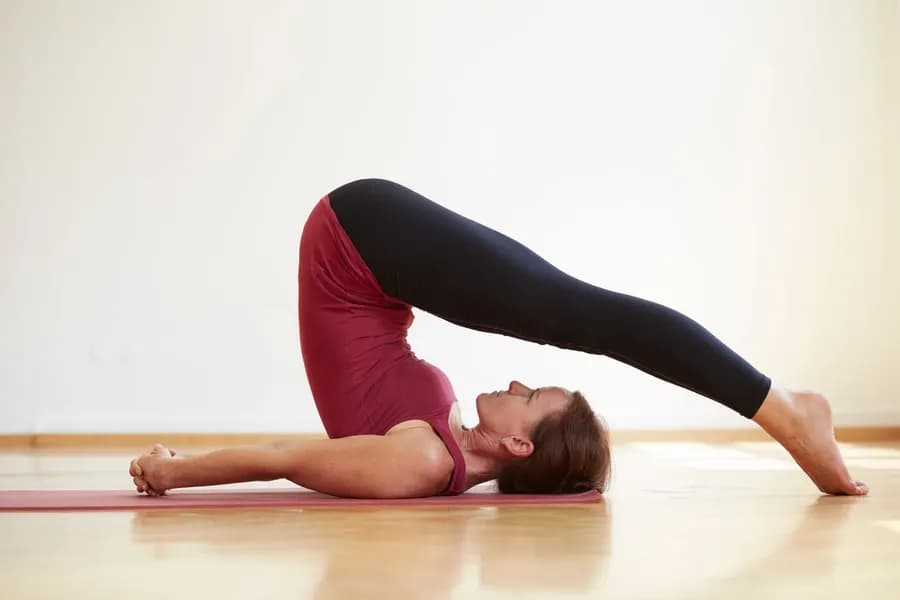
Halasana (Plow Pose): Steps Benefits and Precautions
Try halasana with Habuild. Learn halasana benefits like better flexibility, improved sleep, and relief from back pain. Master the yoga plow pose. Start today!

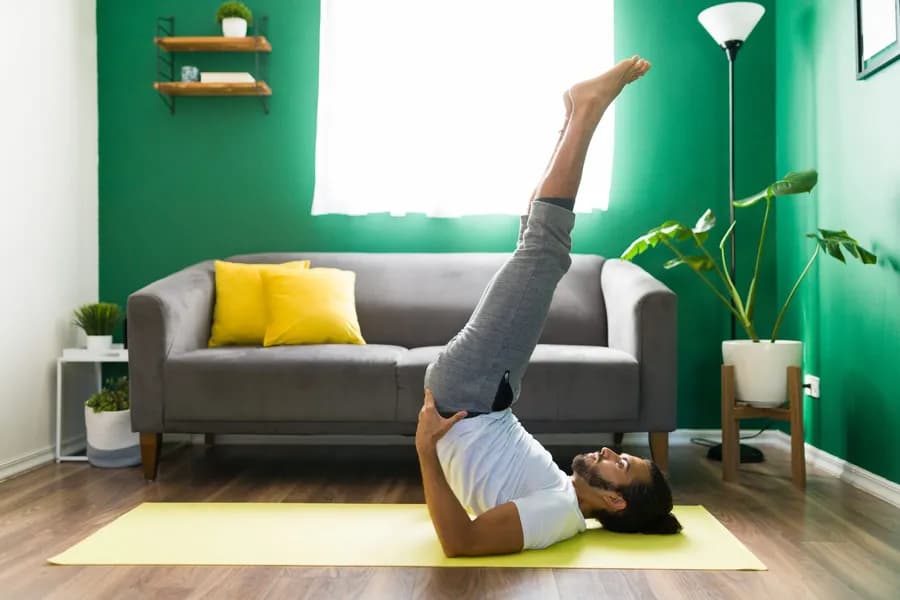
Sarvangasana: Steps Benefits and How to Practice Safely
Practice sarvangasana with Habuild. Explore the sarvangasana pose to boost thyroid health, improve circulation, and calm your mind. Start your session today!
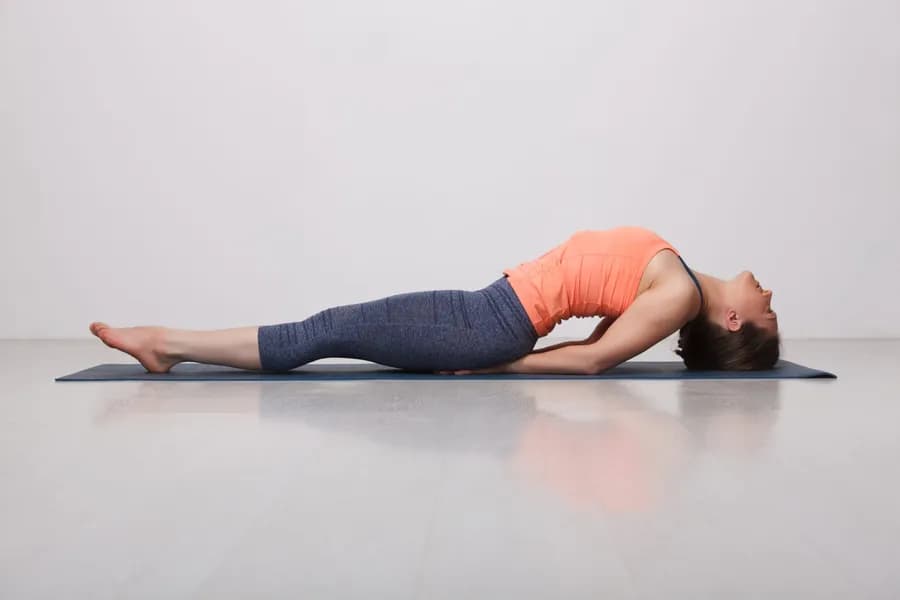
Matsyasana (Fish Pose): Steps Benefits and Safety Tips
Explore matsyasana and ardha matsyasana with Habuild. Discover the benefits of matsyasana to improve posture, open your chest, and boost thyroid health today!
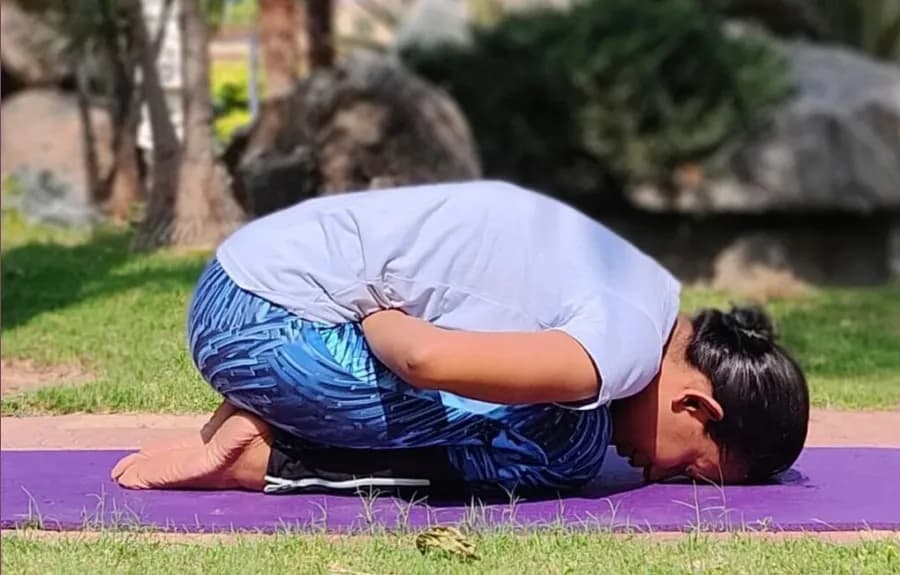
Mandukasana (Frog Pose): Steps Benefits for Diabetes and Digestion
Practice mandukasana with Habuild. Master the mandukasana pose to improve digestion, open the hips, and relieve abdominal tension. Start your yoga session!
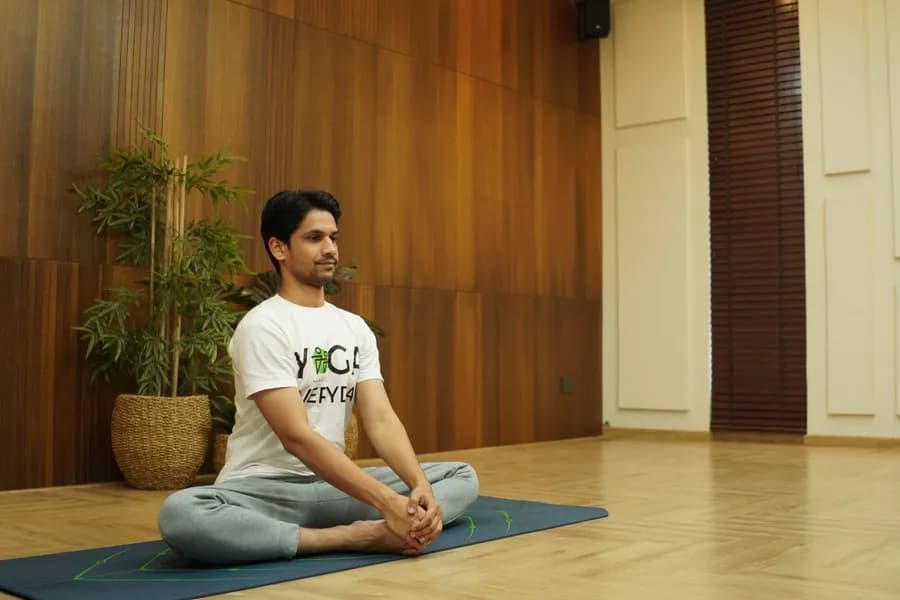
Bhadrasana (Gracious Pose): Steps and Hip Flexibility Benefits
Try bhadrasana with Habuild. Practice bhadrasana yoga to open the hips, calm the nervous system, and strengthen your pelvic floor. Start your session today!