Loading articles…


Expert guidance on yoga, wellness, nutrition, ayurveda, and the habits that transform every morning.
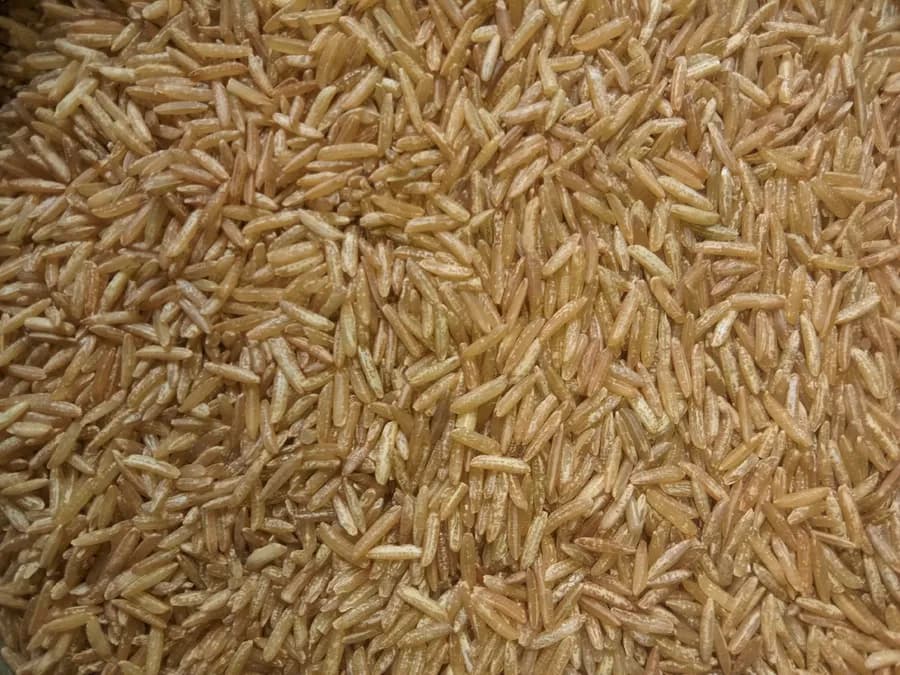
Vitamin B1, or thiamine, converts the carbohydrates you eat into usable energy and keeps your nerves signalling correctly. See its function, deficiency.
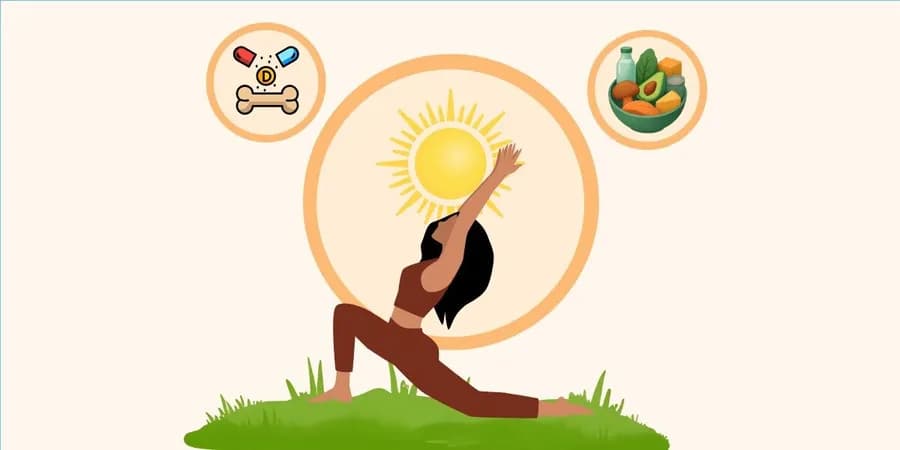
Vitamin D3 deficiency refers specifically to low cholecalciferol — the form your skin makes from sunlight. See what makes D3 different from D2, and why.


Learn kiwi nutrition, realistic benefits, constipation evidence, simple serving ideas, portions, storage and allergy safety.

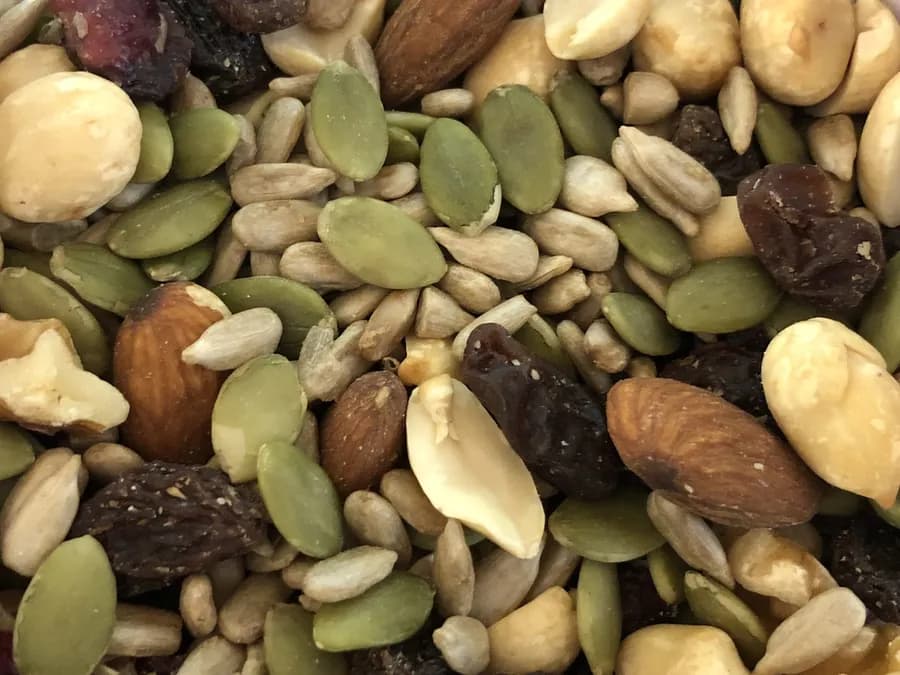
Vitamin E is a fat-soluble antioxidant that protects cell membranes from damage and supports skin and hair health. See where to find it, and how much you.
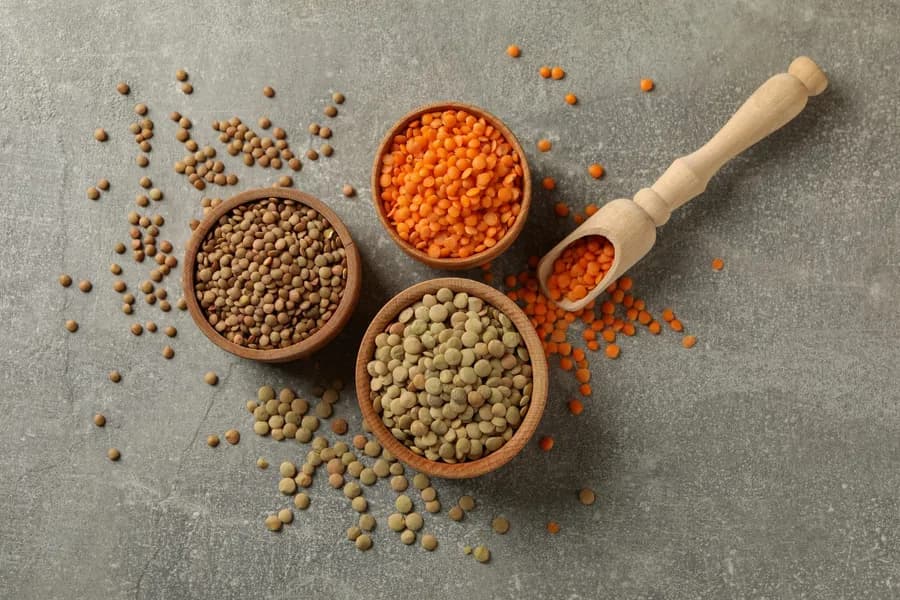
Lentils provide plant protein, fibre, folate, iron and potassium. Different dals cook at different speeds but share a useful nutrition profile.
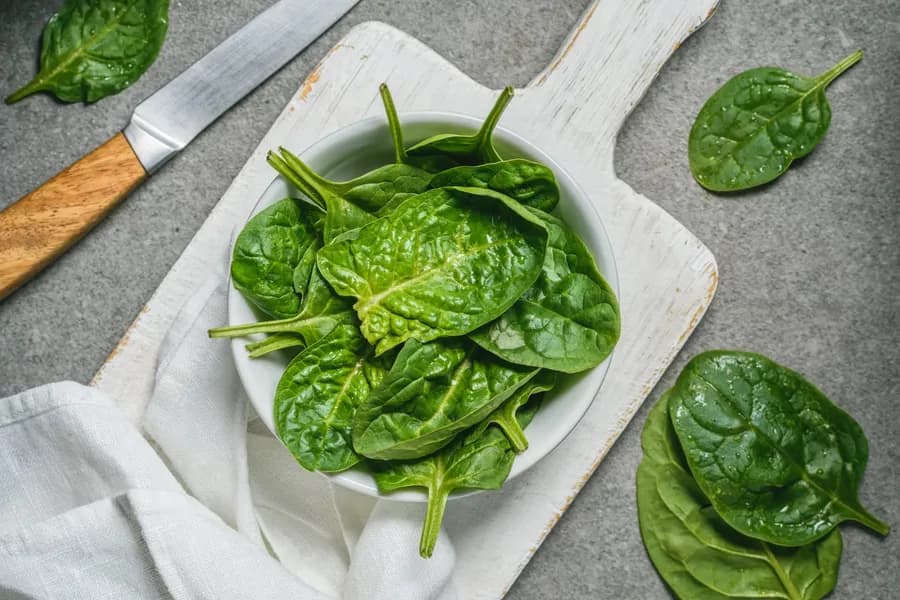
Spinach provides folate, vitamin K and carotenoids. Learn its benefits, cooking tips, iron facts and cautions for warfarin or kidney stones.
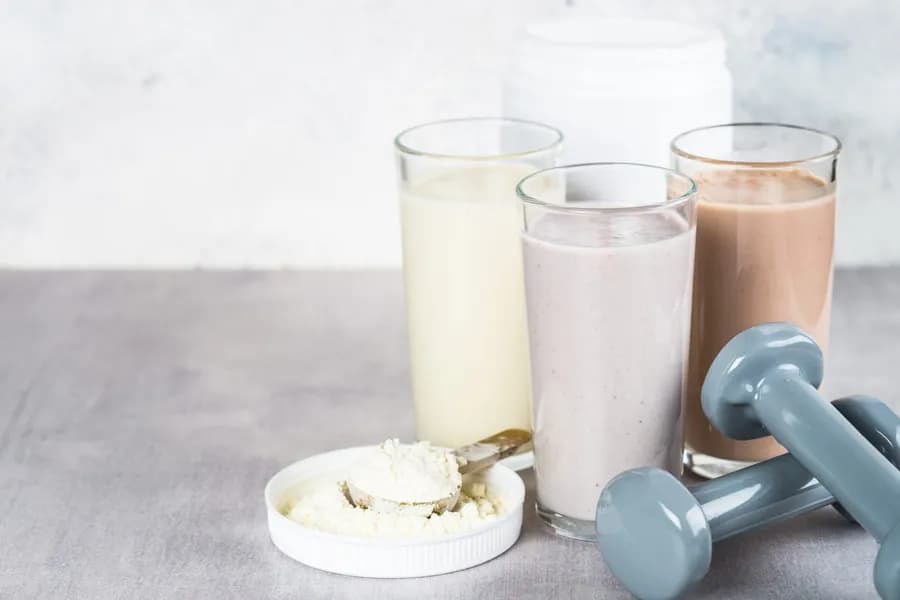
Whey and plant protein aren’t about which is ‘better’ overall — it’s about which fits your digestion, diet, and goals. See how they compare on absorption.

A weight gainer powder is a calorie and protein-dense supplement for when regular meals aren’t enough — not a replacement for food. See when it’s.

‘Hormone balance’ gets used loosely in marketing, but B vitamins, magnesium, omega-3s, and vitamin D do support the systems involved in hormone.
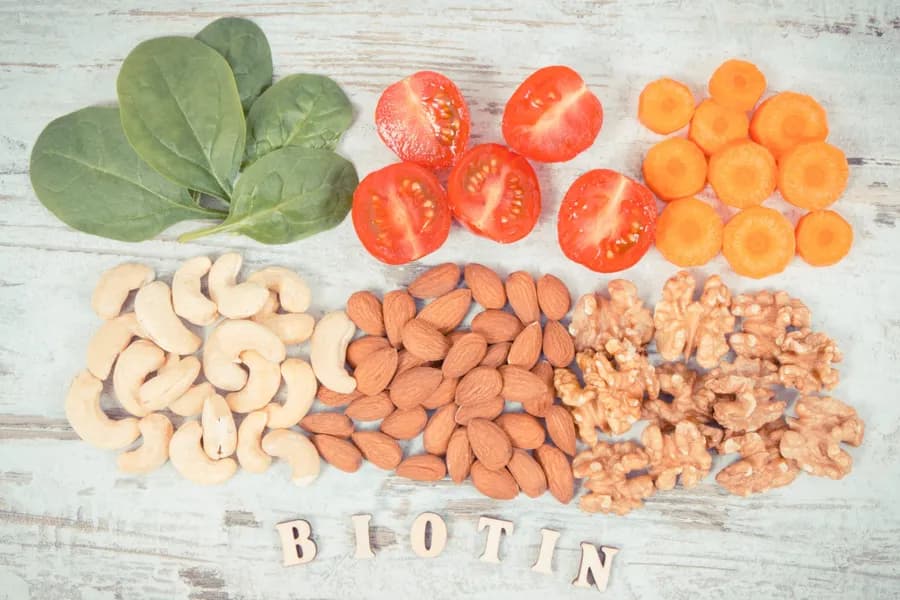
Certain nutrients do support the hair growth cycle, but supplementing only helps if your body is actually short on them. See which vitamins matter, and.
Ready to Start?
Daily yoga, strength training, health programs and a lot more - all in one place.