
Importance of Regular Exercise: Benefits & How to Start
Discover the importance of regular exercise for your health, strength, and energy. Start your fitness journey today with a ₹1 trial at Habuild.

Key Takeaways
- Regular strength and movement-based training signals muscles to grow and adapt over time.
- Weight-bearing exercise stimulates denser bones, especially important for women and older adults.
- A consistent exercise habit paired with reasonable nutrition creates sustainable fat loss.
- Cardio and strength training both lower resting heart rate and improve oxygen processing.
- Exercise triggers endorphin and serotonin release, both tied to mood regulation.
- Physical activity improves insulin sensitivity, helping regulate blood glucose and hormones.
The importance of regular exercise goes far beyond looking fit. When you move your body consistently — through strength training, yoga, or daily walks — you build better energy, a stronger body, and a calmer mind. This guide covers the real benefits of exercising regularly, how to get started without overwhelm, and what makes a fitness routine actually stick.
Most people know they should exercise more. The gap isn’t knowledge — it’s structure and consistency. Whether you’re a complete beginner or someone who keeps restarting, understanding what regular movement does for your body is the first step toward making it a permanent habit.
10 Benefits of Regular Exercise on Health
- Builds Lean Muscle and Functional Strength Regular strength and movement-based training signals your muscles to grow and adapt. Over time, this makes everyday tasks — carrying groceries, climbing stairs, lifting children — feel significantly easier. Lean muscle also supports a healthier metabolism at rest.
- Boosts Metabolism and Supports Healthy Weight One of the most consistent benefits of exercising regularly is an improved metabolic rate. Muscle tissue burns more calories than fat even while you’re sitting still. The more consistently you train, the more efficiently your body manages energy throughout the day.
- Improves Bone Density Weight-bearing and resistance exercises apply controlled stress to bones, stimulating them to become denser and more resilient. This is especially important for women and older adults who are at higher risk of bone loss over time. Building core strength plays a key role in stabilising the spine and reducing fracture risk.
- Enhances Functional Strength and Mobility Exercise improves how well your joints move, how stable your posture is, and how coordinated your movements are. This translates directly into fewer injuries and a better quality of daily life, regardless of age.
- Supports Fat Loss Without Extreme Diets A consistent exercise habit — paired with reasonable nutrition — creates the conditions for gradual, sustainable fat loss. No crash dieting required. Sporadic workouts don’t move the needle the way regular training does.
- Strengthens Heart and Lung Health Cardio-based movement and strength training both improve cardiovascular efficiency. Your heart pumps blood more effectively, your resting heart rate tends to decrease, and your lungs process oxygen more efficiently — all supporting long-term heart health.
- Reduces Stress and Improves Mood Exercise triggers the release of endorphins and serotonin — neurotransmitters associated with mood regulation. People who work out regularly often report feeling less anxious, sleeping more deeply, and managing daily stress more calmly. You can explore how yoga supports overall health to understand why combining movement styles amplifies these mental benefits.
- Regulates Blood Sugar and Hormonal Balance Physical activity improves insulin sensitivity and helps regulate blood glucose levels. For women especially, regular movement can support hormonal balance and menstrual regularity. Structured exercise for menstrual health is worth exploring as part of a consistent routine.
- Sharpens Focus and Cognitive Function People who exercise regularly tend to have better memory, sharper focus, and a lower risk of cognitive decline with age. Even 30 minutes of movement increases blood flow to the brain — directly supporting concentration and clear thinking.
- Builds Confidence and a Sense of Control The act of showing up for yourself every day builds self-trust. When you keep the promise to move your body, that consistency extends into other areas of life — work, relationships, and personal goals.
How to Get Started with Regular Exercise
What You Need to Begin
You need far less than you think. A yoga mat, a small floor space, and a reliable routine is enough. No gym membership, no expensive equipment, no commute. Home-friendly programs with live guidance remove almost every logistical barrier that stops most people before they even begin.
Setting Realistic Goals
Most people quit within three weeks because their goals are too aggressive. A more effective approach: commit to showing up 5 days a week for 20–30 minutes rather than attempting 90-minute sessions three times a week. Frequency beats intensity for beginners. Avoid overtraining in the first two weeks — that’s when most injuries and burnout happen.
Start with the Basics
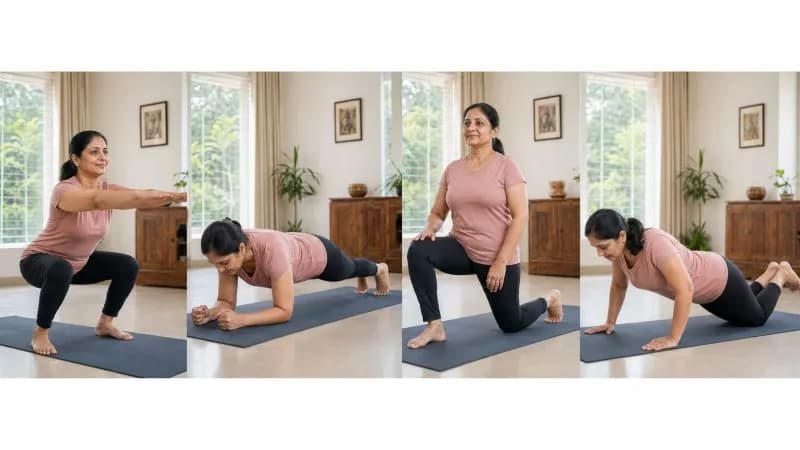
Beginner-friendly exercises like bodyweight squats, modified push-ups, glute bridges, and plank holds build a solid foundation. These moves train multiple muscle groups simultaneously, require no equipment, and teach proper movement patterns that protect you as you progress.
Best Exercises for Building a Regular Fitness Habit
Squats
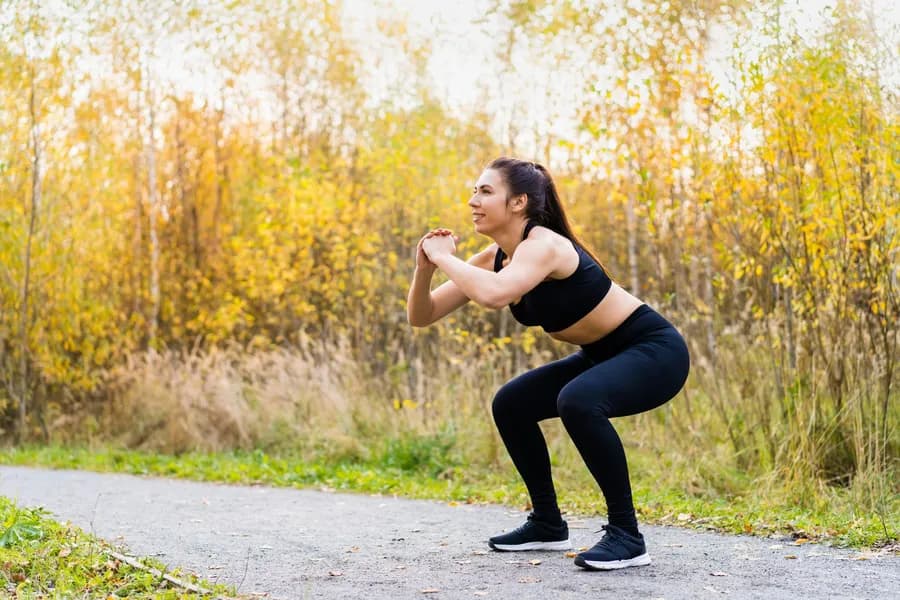
Squats are the cornerstone of any strength routine. They target the quads, hamstrings, glutes, and core simultaneously. Start with bodyweight squats and keep your chest tall, knees tracking over your toes. Aim for 3 sets of 12–15 reps.
Push-Ups
A full-body pressing movement that builds chest, shoulder, and tricep strength while activating your core. Beginners can start with knee push-ups or incline push-ups on a chair. Target 3 sets of 8–12 reps.
Lunges
Lunges improve single-leg stability, which translates to better balance and injury prevention. Start with 2–3 sets of 10 reps per leg, keeping your torso upright throughout.
Plank
The plank targets the deep abdominal muscles, lower back, shoulders, and glutes simultaneously. Begin with a 20–30 second hold and gradually increase duration. Understanding the full benefits of plank exercise will motivate you to make it a regular part of every session.
Glute Bridges
Glute bridges activate the posterior chain — glutes, hamstrings, and lower back — which is chronically underused in people who sit for long hours. Lie on your back, feet flat on the floor, and press your hips toward the ceiling. Hold for 2 seconds at the top. Try 3 sets of 15 reps.
Mountain Climbers
A high-efficiency move combining cardiovascular conditioning with core activation. Start in a plank position and drive your knees toward your chest alternately. Begin with 3 sets of 20 seconds and build up as endurance improves.
Dumbbell Rows (or Resistance Band Rows)
Back strength is often neglected in beginner programs, leading to poor posture and shoulder discomfort. Bent-over rows — whether with dumbbells, resistance bands, or a filled water bottle — train the upper and mid-back effectively. Aim for 3 sets of 10–12 reps per side.
Common Mistakes to Avoid When Exercising Regularly
- Poor Form Rushing through reps with incorrect mechanics is the fastest route to injury — and the slowest route to results. Slowing down and focusing on quality of movement is always more productive than chasing numbers. A guided program with live instruction makes a significant difference here.
- Skipping the Warm-Up Cold muscles are stiff muscles. Skipping a 5–10 minute warm-up significantly increases injury risk. The warm-up also mentally prepares your body to train, improving the quality of the session that follows.
- Overtraining Without Rest Muscles grow and repair during rest, not during the workout itself. Training every day at high intensity without recovery days leads to fatigue, declining performance, and burnout. Schedule at least 1–2 lighter days each week.
- Inconsistency The biggest obstacle to realising the benefits of exercising regularly is not starting — it’s stopping and restarting. Consistent daily movement, even at lower intensity, always outperforms occasional bursts of effort followed by weeks of inactivity.
Who Should Try Regular Exercise?
- Beginners If you’ve never exercised before, your body responds fastest to new movement stimulus. Start with 20–25 minutes a day, five times a week. A guided program with community accountability removes the guesswork entirely.
- Women Strength training builds a lean, toned physique rather than bulk — women have significantly lower testosterone levels than men, making that outcome biologically unlikely. Beyond aesthetics, regular exercise supports hormonal health, bone density, and long-term energy levels.
- Older Adults Regular movement helps maintain muscle mass that naturally declines after 30, supports joint mobility, improves balance, and supports cognitive sharpness. Always consult your doctor before beginning a new exercise program, especially if you have existing health conditions.
- Working Professionals Long desk hours create tight hips, rounded shoulders, and a weak core. Even 25 minutes of structured movement each morning counteracts the postural damage of sitting and provides a focused energy boost for the workday. The return on those 25 minutes is disproportionately high.
Build Strength with a Routine That Actually Works
Understanding the importance of regular exercise is one thing — actually building the habit is where most people struggle. It’s not about willpower. It’s about structure, guidance, and the right support around you. With Habuild’s Strong Everyday program, you get all three, from the comfort of your home.
What You Get with Habuild’s Strong Everyday Program:
- Daily live guided strength and yoga sessions
- Beginner to advanced progression — no experience needed
- No-equipment, home-friendly workouts
- Expert guidance to ensure correct form and prevent injury
- Community support so you stay consistent, not just motivated
Start Your Strength Training Journey
Related reads: What Is Isometric Exercise? Benefits, Examples & How to Start · Benefits of Skipping Exercise: 10 Reasons to Start Today
The real benefit of exercise shows up not in any single workout but in what happens when you keep showing up week after week. That’s the gap most people struggle with — not knowing what to do, but staying consistent enough to see results. Habuild’s Strong Everyday program removes that guesswork with a structured, guided plan built for exactly that kind of consistency.
Frequently Asked Questions
Related Articles

What Is Physical Fitness? Benefits, Exercises & How to Start
What is physical fitness? Discover 10 science-backed benefits of exercise, best moves to try, and how Habuild helps you build lasting fitness habits. Start for 14-day free trial.
What Is Intense Exercise? Meaning, Examples & Benefits
Sprints, HIIT, heavy lifting, or explosive bodyweight work push your heart rate, breathing, and muscles significantly harder than light movement. See the meaning, examples, and benefits.
What Are the Benefits of Strength Training? 7 Evidence-Based Benefits That Transform Health
Strength training reduces all-cause mortality risk, prevents age-related disability, and builds bone density across every age group and sex within 8-12 weeks. See all 7 evidence-based benefits.

Types of Physical Fitness Exercises: Complete Guide
Explore all types of physical fitness exercises — from strength to flexibility. Find the right category for your goals and start your journey today.
What Is Functional Strength Training? Benefits, Exercises & Tips
Discover what is functional strength training, its top benefits, best exercises, and how to get started. Try Habuild's guided program with a 14-day free trial.