
Merudanda Mudra (Spine Gesture): Steps, Benefits & Precautions
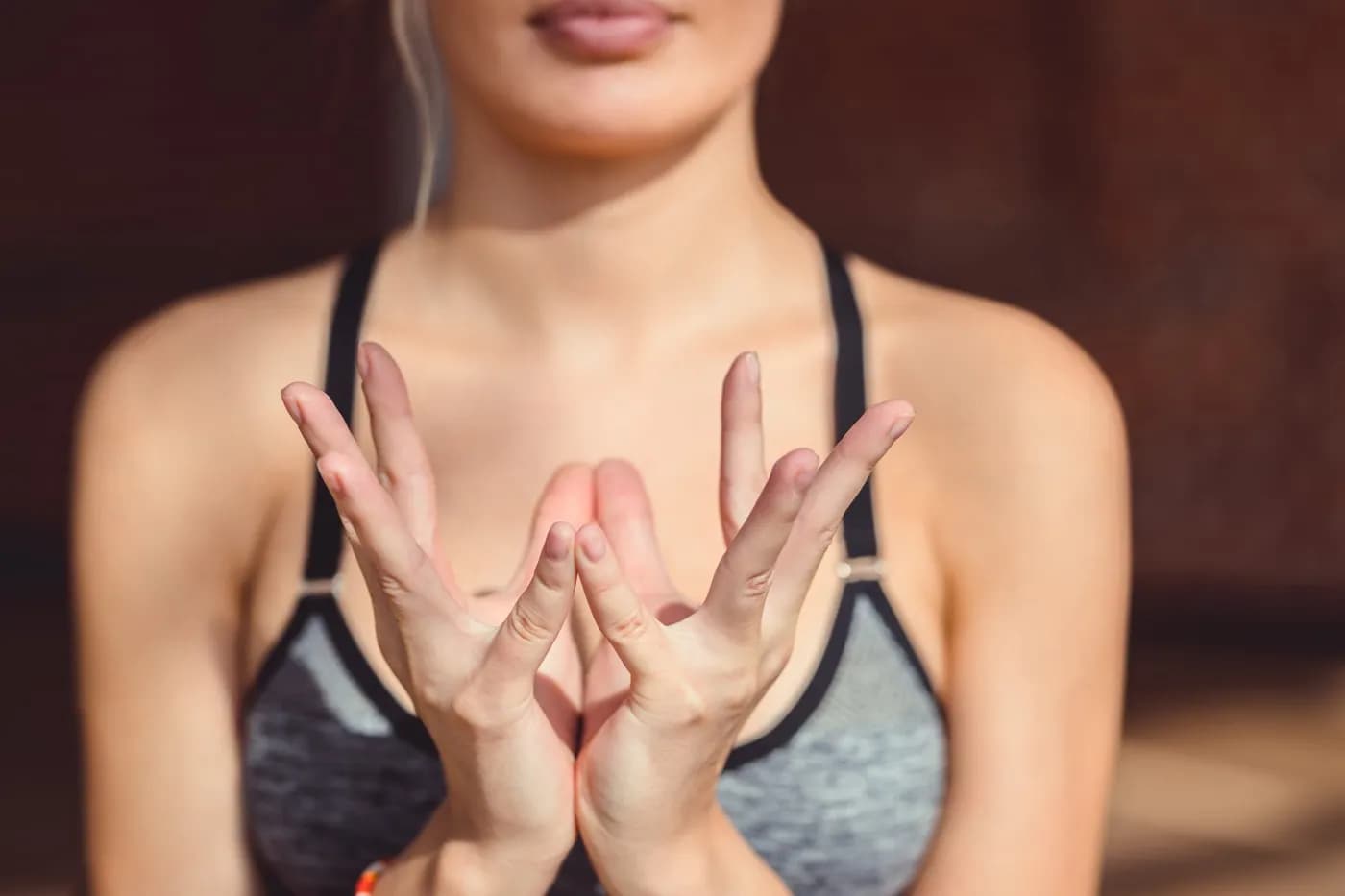
The thumb extends upright while the index finger folds to touch its base, symbolising and energetically engaging the spine. See the steps, benefits, and.

Key Takeaways
- The thumb extends upright while the index finger folds to touch its base, mirroring the spine.
- The name means staff of the cosmic axis, Meru referring to the sacred mountain at creation’s center.
- Classified as an energy-directing gesture rather than a purely meditative hand position.
- Associated with activating the Sushumna Nadi, the central channel running along the spine.
- Builds internal awareness of the vertebral column’s natural curvature over consistent practice.
- Practitioners often report warmth or mild tingling along the spine during the gesture.
Merudanda Mudra is a classical Sanskrit hand gesture in which the thumb extends upright while the index finger folds to touch the base of the thumb, symbolising and energetically engaging the human spine. Regular practice supports postural awareness, may gradually ease back tension, calms the nervous system, and deepens concentration — benefits that accumulate with consistent daily use over several weeks.
What is Merudanda Mudra?
Merudanda Mudra is a hand gesture rooted in classical Indian yoga and Tantric traditions. The word Merudanda comes from Sanskrit: Meru refers to Mount Meru — the sacred cosmic axis at the centre of the universe — and danda means staff or rod. Together, the name translates roughly as “the staff of the cosmic axis,” a metaphor for the human spine. The mudra is pronounced meh-roo-DAHN-dah and is sometimes called the Spine Gesture or Vertebral Column Mudra in English.
Visually, the gesture is formed by extending the thumb straight upward while folding the index finger down so its tip meets the base of the thumb, with the remaining three fingers extended outward and slightly apart. This configuration is said to mirror the structure of the vertebral column — the thumb representing the spinal cord, the extended fingers representing the branching nervous network. It belongs to the wider family of hasta mudras (hand gestures) that direct pranic energy through specific channels in the body.
Within the broader yoga system, Merudanda Mudra is classified as an energy-directing gesture rather than a purely meditative one. It is often combined with pranayama, seated meditation, or practices like Sukhasana to deepen spinal awareness and channel upward-moving prana (life-force energy) along the spine. Traditional texts associate it with activating the Sushumna Nadi — the central energy channel that runs along the spinal column — making it particularly valued in yoga traditions that work with subtle body anatomy.
Merudanda Mudra Benefits
Physical Benefits
- Benefit 1: Supports Spinal Alignment and Postural Awareness One of the most significant merudanda mudra benefits is its ability to draw conscious attention to the spine. Regular practice builds an internal awareness of the vertebral column’s natural curvature. For those using merudanda mudra for back pain management, this heightened postural awareness — when practised consistently — may gradually ease tension in the lower and upper back by encouraging an upright, aligned sitting posture throughout the day.
- Benefit 2: May Stimulate the Nervous System Along the Spinal Axis Traditional yoga physiology holds that this mudra activates the Sushumna Nadi, the principal energy channel running through the spine. When pranic flow along this channel is supported, the nervous system may experience a gentle regulatory effect. Practitioners often report a sense of warmth or mild tingling along the spine during practice, suggesting increased energetic activity in that region.
- Benefit 3: Promotes Circulation and Subtle Energy Flow The specific finger arrangement in Merudanda Mudra is believed to engage the fire and air elements (Agni and Vayu tattvas). This combination is thought to support healthy circulation of both blood and prana through the torso. Combined with deep, conscious breathing, the mudra may support the function of the diaphragm and the organs along the spinal column, including the adrenal glands and kidneys.
Mental and Emotional Benefits
- Benefit 4: Calms the Nervous System and Reduces Stress Sitting upright with Merudanda Mudra active naturally shifts the body into a more alert yet relaxed state. The gesture acts as a feedback loop — an upright spine signals safety and stability to the nervous system. Practitioners who include this mudra in their morning meditation routine often find it helps them deal with accumulated stress by creating a brief but powerful window of inner stillness before the day begins.
- Benefit 5: Builds Focus and Mental Groundedness Because the mudra anchors awareness in the physical spine, it acts as a grounding tool for the wandering mind. During meditation, this spinal focus prevents the mind from drifting into rumination or restlessness. Over time, consistent Merudanda Mudra practice may gradually improve the quality and depth of concentration — making it a useful complement to any mindfulness-based routine, including sessions paired with Vajrasana during short desk breaks.
How to Do Merudanda Mudra — Step-by-Step Instructions
Key Principles
Before you begin, find a comfortable seated position — cross-legged on the floor or upright in a chair. Your spine should be naturally erect without straining. Rest your hands on your thighs, palms facing upward. Take two or three deep breaths to settle the nervous system before forming the mudra. The gesture works most effectively when the mind is relatively still and breathing is slow and intentional.
Step 1: Starting Position
Sit in a comfortable upright position. Relax your shoulders away from your ears. Rest both hands on your thighs with palms facing upward. Close your eyes gently and observe your natural breathing for a moment. Feel the base of your spine making contact with the surface below you.
Step 2: Form the Spine Gesture
With both hands, extend the thumb straight upward. Fold the index finger down so its tip meets the base of the thumb — not the tip of the thumb, but its base joint. This is the key alignment point that distinguishes Merudanda Mudra from other hand gestures. Extend the remaining three fingers (middle, ring, and little) gently outward and slightly apart.
Step 3: Rest the Hands on the Thighs
Place both hands — now holding the mudra — back onto your thighs with the thumbs pointing upward. The wrists rest comfortably, and there should be no tension in the hands, wrists, or forearms. If you feel any strain, slightly soften the grip of the folded index finger without breaking the contact with the thumb base.
Step 4: Align the Spine and Soften the Face
Once the mudra is established, turn your attention inward to the spine. Imagine a gentle upward pull from the crown of your head, lengthening the vertebral column. Relax your jaw, your tongue, and the muscles around your eyes. This internal alignment mirrors the symbolism of the mudra — the thumb-staff standing tall, just as the spine should.
Step 5: Final Position and Hold
Hold the mudra for 5 to 15 minutes. Maintain soft, rhythmic breathing throughout. You may silently repeat an intention or simply observe the breath. Some practitioners visualise a column of light running through the spine from the base to the crown — a traditional visualisation that reinforces the mudra’s energetic purpose. Stay with any sensations of warmth or subtle vibration along the back without forcing anything.
Step 6: How to Come Out of Merudanda Mudra
To release, gently uncurl the index finger and allow both hands to relax open on the thighs, palms facing down. Take two or three deeper breaths, noticing any changes in the quality of your awareness or the sensation along your spine. Open your eyes slowly and give yourself a moment before standing or moving into your next activity.
Breathing in Merudanda Mudra
Breathe slowly and deeply through the nose throughout the practice. On the inhale, feel the spine lengthen slightly upward. On the exhale, feel any residual tension along the back release downward. A breath ratio of 4 counts in and 6 counts out works well for most practitioners — the extended exhale activates the parasympathetic nervous system and deepens the calming effect of the mudra.
Preparatory Poses Before Merudanda Mudra
Although Merudanda Mudra is primarily a hand gesture rather than a full-body posture, preparing the body beforehand helps you sit comfortably for its duration and enhances the quality of your practice.
- Balasana (Child’s Pose) — gently releases tension from the lower back and hips, making it easier to sit upright without discomfort.
- Cat-Cow (Marjaryasana-Bitilasana) — warms up the entire spinal column and increases awareness of each vertebral segment before the mudra’s stillness.
- Paschimottanasana (Seated Forward Bend) — lengthens the hamstrings and the entire posterior chain, reducing the pull that tight hamstrings place on the lower spine during seated practice.
- Neck Rolls and Shoulder Circles — loosens the cervical spine and shoulder girdle, which otherwise accumulate tension and distort upright posture during prolonged sitting.
Variations of Merudanda Mudra
Variation 1: Single-Hand Merudanda Mudra (Beginner-Friendly)
Difficulty: Beginner
Practise the mudra with only the dominant hand while resting the other hand in a relaxed open position on the opposite thigh. This variation reduces mental effort and is useful for beginners who find it difficult to hold the precise finger arrangement in both hands simultaneously. It also works well as a transitional practice for those building hand dexterity.
Variation 2: Merudanda Mudra with Pranayama (Intermediate)
Difficulty: Intermediate
Hold the mudra while incorporating Nadi Shodhana (Alternate Nostril Breathing). The alternating breath pattern amplifies the mudra’s effect on the nervous system and deepens the sense of spinal awareness. The right hand maintains Merudanda Mudra on the right thigh while the left hand guides the Nadi Shodhana technique — or vice versa according to your teacher’s guidance.
Variation 3: Merudanda Mudra in Seated Meditation (Advanced)
Difficulty: Advanced
Hold the mudra for a sustained meditation session of 20 to 30 minutes in a full lotus or half-lotus position. This extended hold, combined with advanced visualisation of the Sushumna Nadi, is the classical application of this gesture. The challenge lies in maintaining perfect spinal alignment without muscular strain over the full duration — something that develops gradually over months of consistent practice.
Common Mistakes to Avoid in Merudanda Mudra
- Placing the Index Finger on the Thumb Tip Instead of the Base The most common error is confusing Merudanda Mudra with Jnana or Gyan Mudra, where the index finger touches the thumb tip. In Merudanda Mudra, the index finger must touch the base of the thumb. Getting this wrong changes the energetic intention of the gesture entirely. Take a moment before each session to verify the finger placement.
- Allowing the Spine to Slump During Practice The entire purpose of this mudra is to cultivate spinal awareness — yet many practitioners unconsciously slump within the first few minutes. Set a gentle mental reminder at the start of each practice to check in with spinal length every 2–3 minutes, especially if you are new to sustained seated postures.
- Tensing the Hands and Wrists Gripping the finger arrangement too tightly creates tension that travels up the forearm and into the shoulders, counteracting the mudra’s calming effect. Hold the gesture with the minimum effort needed to maintain the shape — think of it as a gentle, conscious contact rather than a firm grip.
- Holding the Breath Some practitioners unconsciously hold their breath while concentrating on forming the mudra correctly. This undermines both the physiological and energetic benefits. Always establish a comfortable, continuous breathing rhythm before and during the mudra — breath is the vehicle through which the mudra’s benefits travel.
- Practising Immediately After Heavy Meals Merudanda Mudra increases internal heat and activates the fire element. Practising it on a full stomach may cause discomfort or sluggishness. Wait at least 1.5 to 2 hours after a meal — or practise first thing in the morning on an empty stomach, which is considered the optimal time in classical yoga tradition.
- Expecting Instant Results and Abandoning Practice Too Soon Stopping after a few days because no dramatic shift is felt is perhaps the most consequential mistake. Mudra practices work subtly and cumulatively. Merudanda mudra benefits — particularly those related to posture and nervous system regulation — become noticeable after consistent daily practice over several weeks, not after a single session.
Who Should Practise Merudanda Mudra?
- Those with Back Discomfort or Postural Challenges Individuals who experience chronic tightness along the spine or habitually poor posture may find Merudanda Mudra a useful complement to their overall care routine. As a tool to support merudanda mudra for back pain management, it works best when combined with appropriate asana practice and professional medical guidance — it supports the process of building postural awareness and complements your care rather than serving as a standalone treatment. Practise under qualified guidance if you have a diagnosed spinal condition.
- Is Merudanda Mudra Good for Beginners? Yes — it is one of the more accessible mudras for beginners because it requires no complex body positioning beyond a comfortable seated posture. The finger arrangement takes a minute or two to learn but becomes second nature quickly. Beginners should start with 5-minute holds and increase the duration gradually. Combining it with a simple seated pose removes any flexibility barrier entirely.
- Working Professionals Dealing with Desk-Related Tension People who spend long hours at a desk often develop forward-head posture and spinal compression without realising it. Merudanda Mudra practised for even 10 minutes each morning can create a meaningful shift in how aware you are of your spine throughout the workday. It asks nothing of your schedule and can be done before your first cup of tea.
- Intermediate and Advanced Yoga Practitioners For those already comfortable with asana practice, Merudanda Mudra serves as a bridge into subtler, more inward-facing practices. It pairs naturally with spinal poses like Setu Bandhasana in a morning sequence, deepening the energetic intention behind physical movement and transitioning the practice from purely muscular to consciously pranic.
Make Merudanda Mudra a Part of Your Life
Merudanda Mudra is a classical Sanskrit hand gesture that mirrors the structure of the human spine, directing pranic energy upward along the spinal axis. Its regular practice supports postural awareness, may gradually ease tension related to back discomfort, calms the nervous system, and builds the quality of mental focus — benefits that unfold steadily over weeks of consistent daily use.
Whether you are a complete beginner or someone returning to yoga after a gap, the mudra is genuinely accessible. It requires no flexibility, no special equipment, and no complex setup. With the right guidance — especially live instruction where a teacher can observe your spinal alignment and finger placement in real time — the learning curve is short and the practice quickly becomes self-sustaining.
The best way to make Merudanda Mudra a true daily habit is to practise it within a structured morning session, where accountability and consistency are built into the experience. Habuild’s daily online yoga classes are designed precisely for this — a guided, community-supported environment where you show up every morning and your practice deepens a little more each day.
Frequently Asked Questions
Related Articles
Surya Namaskara: Steps Benefits and Daily Practice Guide
Explore Surya Namaskara with Habuild. Discover the powerful benefits of Surya Namaskara to boost energy, improve flexibility, and transform your health today!

Shalabhasana (Locust Pose): Steps, Back Benefits and Precautions
Practice shalabhasana with Habuild. Try shalabhasana yoga to strengthen your back, improve posture, and boost core strength. Start your yoga session today!

Bhujangasana: Cobra Pose Steps, Benefits & Tips
Bhujangasana, or Cobra Pose, strengthens the spine and entire back musculature, opens the chest, stimulates abdominal organs, and corrects the postural damage of prolonged sitting.

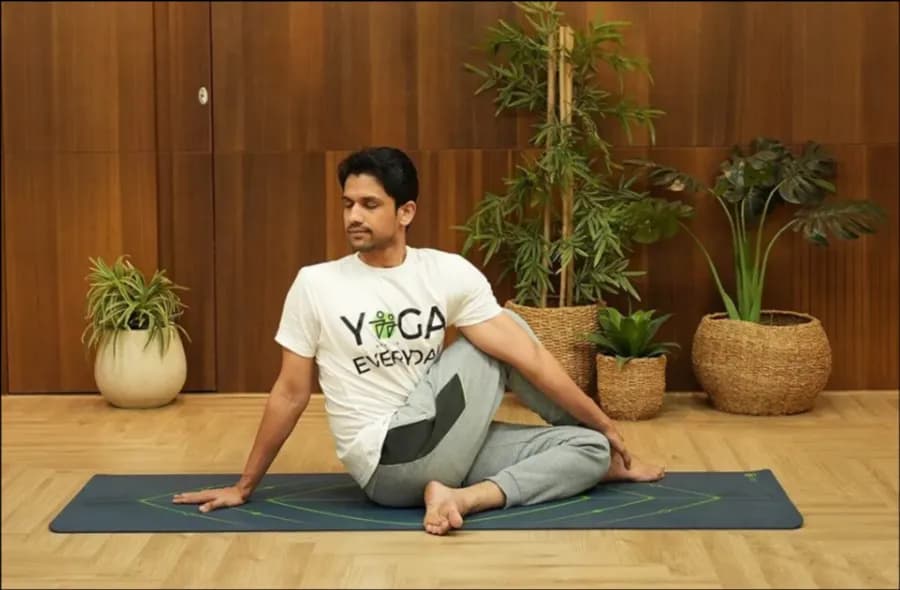
Ardha Matsyendrasana: Steps Benefits and How to Practice v2
Learn ardha matsyendrasana with Habuild. Discover ardha matsyendrasana benefits for spinal health, improved digestion, and flexibility. Start your practice now!
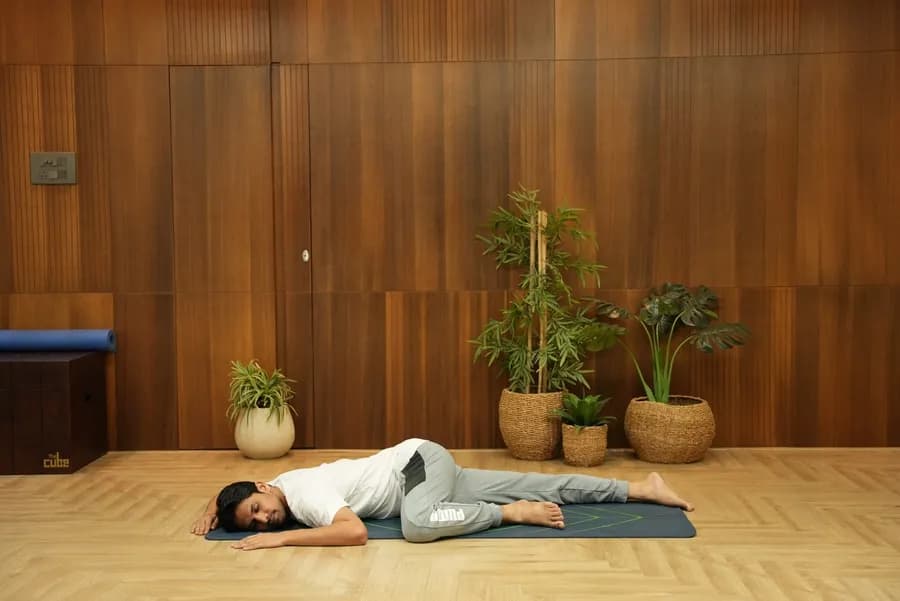
Makarasana (Crocodile Pose): Steps and Relaxation Benefits
Try makarasana with Habuild. Explore the makarasana pose to relieve back pain, reduce stress, and improve your spinal flexibility. Start your yoga today now!