
Kukkutasana (Cockerel Pose): Steps Arm Balance and Strength Benefits
Practice Kukkutasana with Habuild. Follow the rooster yoga pose steps to strengthen arms, build core power, and master this advanced arm balance. Start today!
Key Takeaways
- Requires threading both arms through Padmasana’s crossed legs before pressing up off the floor.
- Demands stable 5-minute Lotus, specific joint flexibility, and arm strength all at once.
- Documented in classical texts including the Gheranda Samhita and Hatha Yoga Pradipika.
- Some strong arm-balancers find entry easier than expected; others are blocked by tight hips.
- Teaches that preparation precedes performance more than almost any other arm balance.
- Supports the complete body weight through wrists, forearms, and upper arms simultaneously.
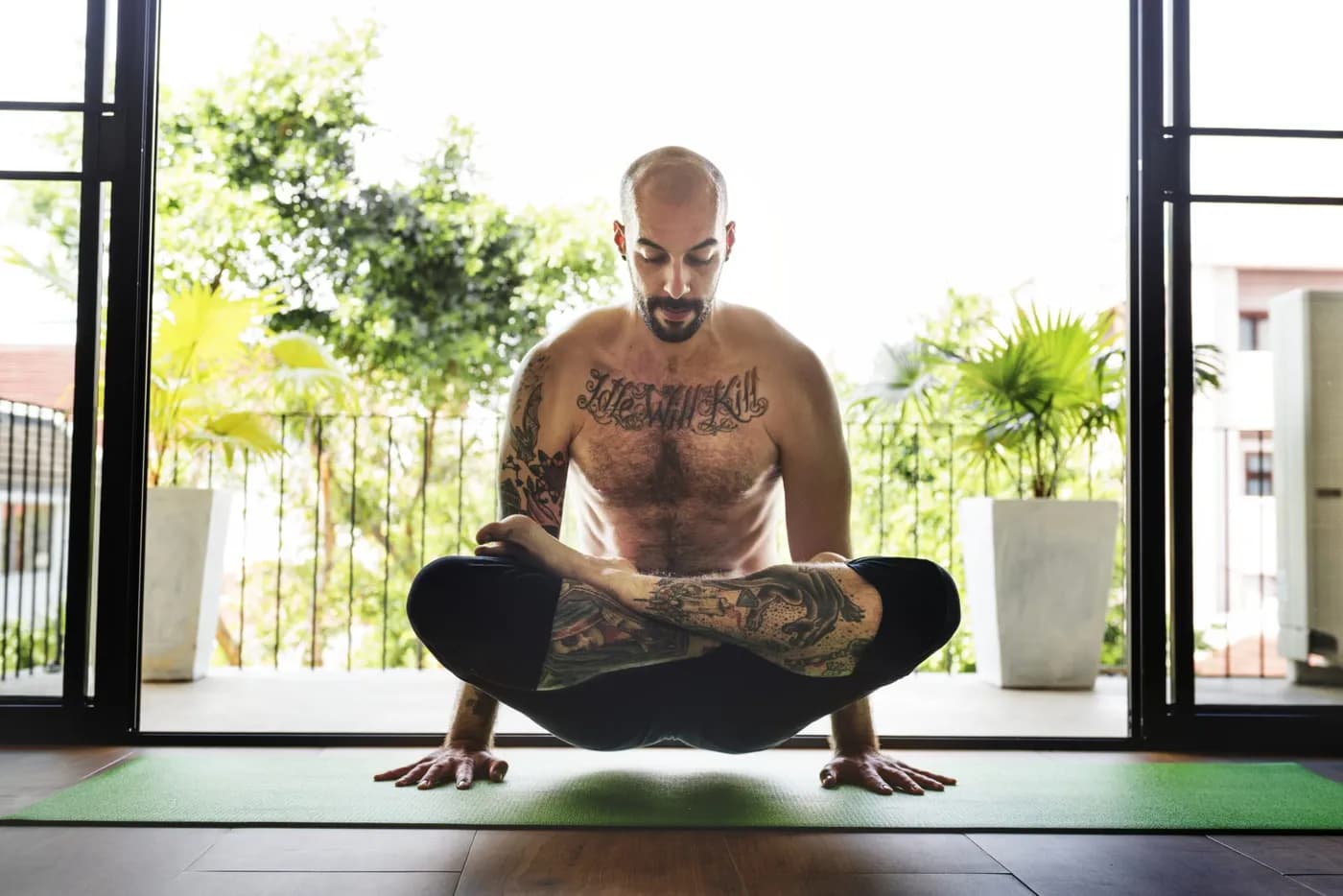
Kukkutasana, or Rooster Pose, is an advanced arm balance in which the practitioner sits in Padmasana (Lotus Pose), threads both arms through the legs, presses the palms into the floor, and lifts the entire body off the ground. It builds exceptional arm and wrist strength, deep core stability, refined balance, and the alert, upright mental presence that the rooster’s quality embodies.
What is Kukkutasana?
Kukkutasana — the Rooster Pose — derives from Sanskrit: Kukkuta (rooster or cock) and Asana (posture or seat). The pose replicates the upright, proud, alert posture of a rooster — the body elevated cleanly from the ground on the arms alone, the legs folded in Lotus above, the spine tall and the gaze forward. Pronounced koo-koo-TA-sa-na, it belongs to the family of Padmasana-based arm balances and is classified as an advanced posture in the classical Hatha yoga system, documented in texts including the Gheranda Samhita and Hatha Yoga Pradipika.
Kukkutasana requires the simultaneous mastery of three prerequisites: comfortable, stable Padmasana held without discomfort for five or more minutes; the specific joint flexibility to thread both arms through the thighs and calves without strain; and sufficient arm, wrist, and core strength to elevate and hold the body’s complete weight in the lifted position. This three-way prerequisite structure makes Kukkutasana both a meaningful long-term goal for dedicated practitioners and a profound test of the integrated physical capability and mental composure that advanced practice develops over time.
Within the arm balance progression, Kukkutasana occupies a unique position — it is simultaneously more accessible and more demanding than many arm balances, depending on the practitioner’s specific capabilities. Those with comfortable Padmasana and adequate arm strength often find the threading entry more manageable than expected; those who have built strong arm balances but lack hip flexibility for Lotus find the pose elusive until the Padmasana prerequisite is genuinely met. The pose teaches, above all, the principle that preparation precedes performance.
Kukkutasana Benefits
Physical Benefits
- Develops Exceptional Arm and Wrist Strength Kukkutasana supports the complete body weight through the wrists, forearms, and upper arms in a sustained isometric hold — progressive practice building the arm and wrist strength that few other yoga postures demand with comparable intensity. This upper body strength development directly benefits all other arm balance postures, the pressing mechanics of Chaturanga, and the functional upper body strength of daily physical work.
- Builds Deep Core Strength and Stability Lifting and sustaining the body in Kukkutasana requires the deep transverse abdominis activation, pelvic floor engagement, and lumbar stabilisation that elevate the body’s centre of gravity in the arm-supported position. The core strength demand is comparable to the most intensive core postures in the complete asana system — and the specific core engagement developed is directly transferable to all other arm balance and inversion practices.
- Improves Balance and Proprioceptive Awareness The elevated arm balance position of Kukkutasana requires refined proprioceptive awareness and continuous dynamic balance micro-adjustments — developing the neuromuscular coordination and vestibular sensitivity that arm balance practice specifically and uniquely cultivates. This proprioceptive refinement benefits all balance-dependent aspects of athletic and daily physical performance.
- Strengthens the Shoulders and Serratus Anterior The protracted, depressed scapular position required to hold Kukkutasana activates the serratus anterior — the muscle that protracts the scapula and stabilises it against the rib cage. Strengthening the serratus is among the most functionally important shoulder conditioning outcomes in the complete yoga practice, directly preventing the winging and instability that weak serratus anterior produces in all pressing and overhead movements.
- Develops Hip Flexibility Through the Padmasana Journey The Kukkutasana prerequisite — comfortable, stable Padmasana — requires and develops the deep external hip rotation, knee flexibility, and ankle mobility that Lotus Pose demands. The progressive hip opening journey toward Kukkutasana develops the hip flexibility that many practitioners find difficult to achieve through conventional stretching approaches.
Mental and Emotional Benefits
- Cultivates Intense One-Pointed Concentration The simultaneous demands of arm strength, balance, and core stability in Kukkutasana create a posture that requires complete, undivided single-pointed concentration. The mind cannot wander in Kukkutasana — the physical consequences are immediate. This demand produces some of the most effective concentration training available in the asana system, directly developing the one-pointed focus that formal meditation requires.
- Builds Courage, Persistence, and Mental Resilience Kukkutasana is rarely mastered quickly — its complete development typically unfolds over months of consistent, patient preparation. The journey itself is the most valuable dimension of the practice: the persistent return to the prerequisites, the equanimity with gradual progress, and the courage of repeated attempts cultivate the mental resilience that both advanced yoga and meaningful daily life require.
How to Do Kukkutasana — Step-by-Step Instructions
Key Principles
Key Principles Three principles govern safe Kukkutasana entry and practice: arm threading must be completely relaxed — never forced through tight leg crossings; wrist alignment is precise — hands flat, fingers spread, middle fingers pointing directly forward, wrists stacked below the shoulders; and the lift is initiated by pressing the palms firmly into the floor and protracting the scapulae (the push-the-floor-away action), not by attempting to crunch the abdomen upward.
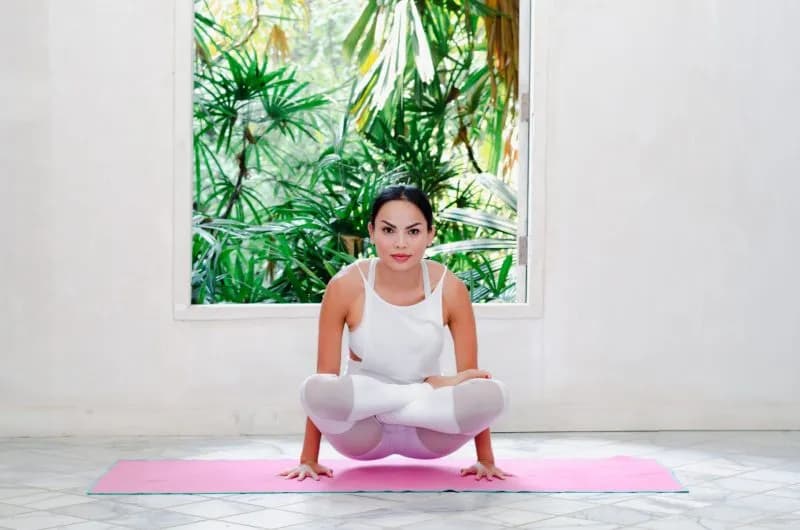
Kukkutasana — Step by Step Step 1: Starting Position — Establish Padmasana Sit in Padmasana with the right leg on top. Allow the hips to open completely and the Lotus position to settle. If there is any discomfort in the knees, do not proceed — the Padmasana must be genuinely comfortable before the threading is attempted.
Step 2: Create Space for the Arm Threading Lean slightly forward from the Padmasana base, creating space between the thighs and calves on each side. The forward lean should feel natural — not a forced rounding of the spine. Observe the gap between each thigh and its corresponding calf.
Step 3: Thread the Right Arm Through Slowly and patiently thread the right arm between the right thigh and calf — working the arm inward as deeply as possible toward the armpit. The threading should be gradual, relaxed, and completely without force. The arm should arrive with the armpit as close to the knee crease as possible.
Step 4: Thread the Left Arm Through Repeat the threading with the left arm between the left thigh and calf. Both arms now pass through both Lotus leg crossings. Check that the threading depth is equal on both sides — asymmetric threading creates uneven weight distribution in the lift.
Step 5: Place Palms and Final Position Place both palms flat on the floor beside the hips — fingers spread, middle fingers pointing forward, wrists directly below the shoulders. Inhale and draw the core upward. On a controlled exhale: press the palms firmly into the floor, protract the scapulae strongly, and lift the sitting bones off the ground. Hold for 3 to 5 breath cycles — spine tall, gaze forward, Ujjayi breath steady.
Step 6: How to Come Out of Kukkutasana Lower with control on an inhalation — sitting bones returning to the floor. Release the arm threading carefully and patiently — reversing the threading without force. Change the Lotus crossing to left leg on top and repeat the complete sequence for balanced bilateral practice.
Breathing in Kukkutasana
Ujjayi breathing is the most supportive pranayama for Kukkutasana — the gentle throat constriction stabilising the thoracic pressure and providing the consistent internal support that maintains the lifted position. The breath should remain steady and even throughout the hold — never held or strained. Any disruption of breath evenness signals that the practitioner is at or beyond their current capacity.
Preparatory Poses Before Kukkutasana
These poses build the three prerequisites: Padmasana comfort, arm strength, and core stability.
- Baddha Konasana and Eka Pada Rajakapotasana — Develop the deep external hip rotation that Padmasana requires.
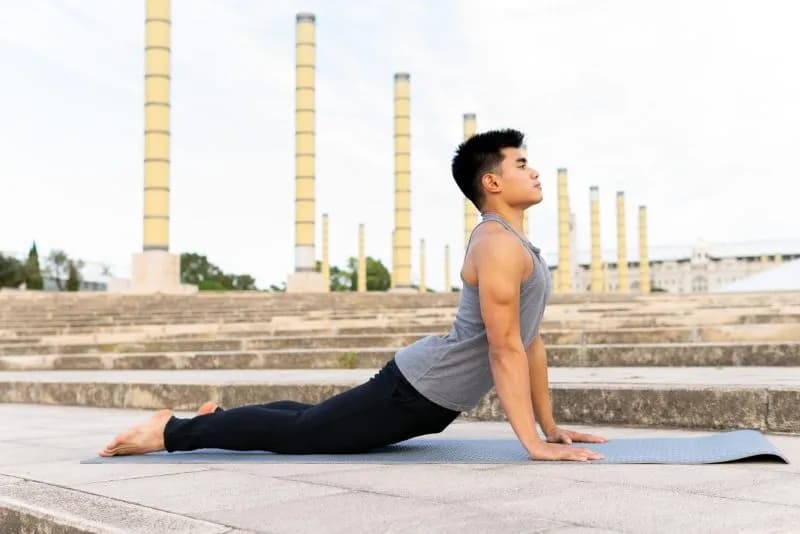
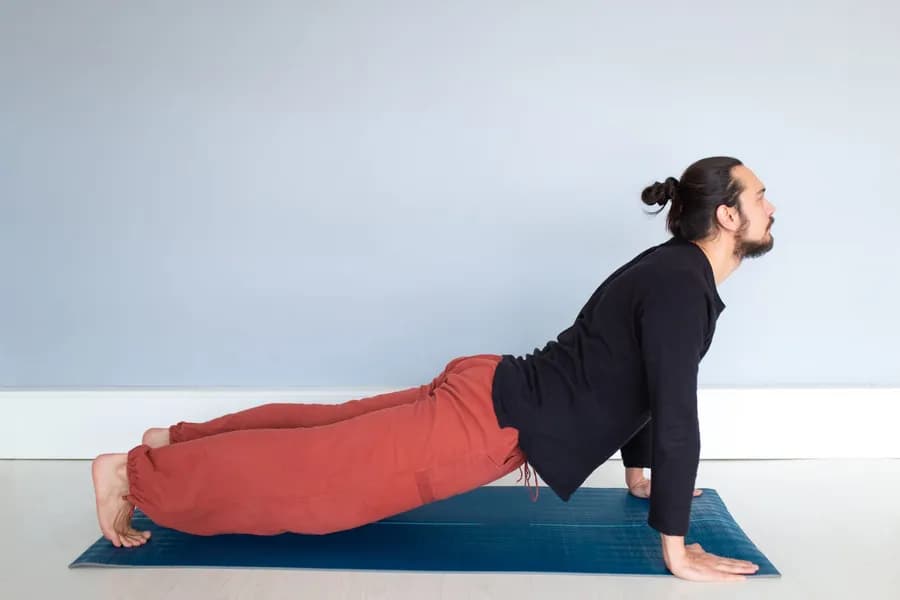
- Chaturanga Dandasana (30-second holds) — Builds the arm and shoulder strength that supports the body weight in the lifted position.
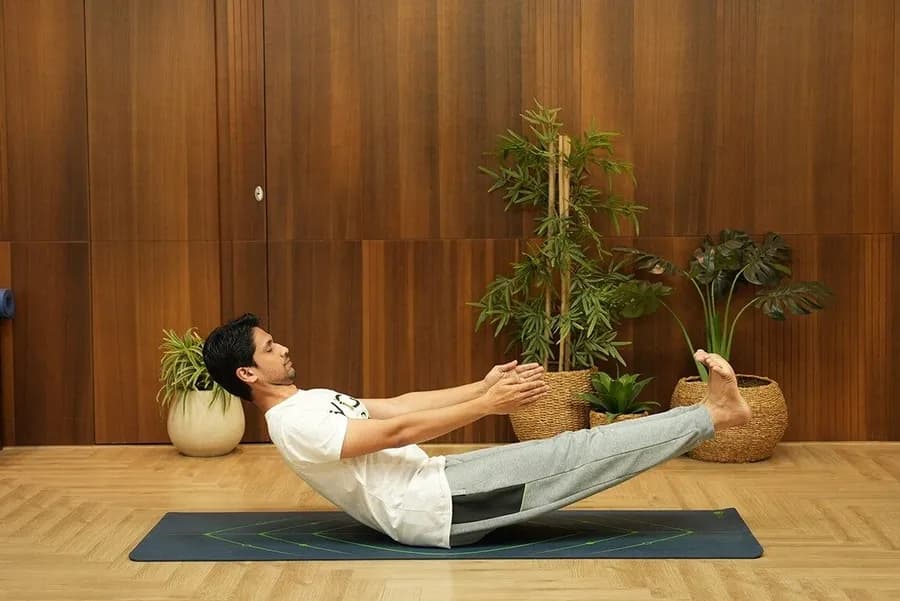
- Navasana (Boat Pose, 5 cycles) — Develops the deep core engagement that initiates and sustains the Kukkutasana lift.
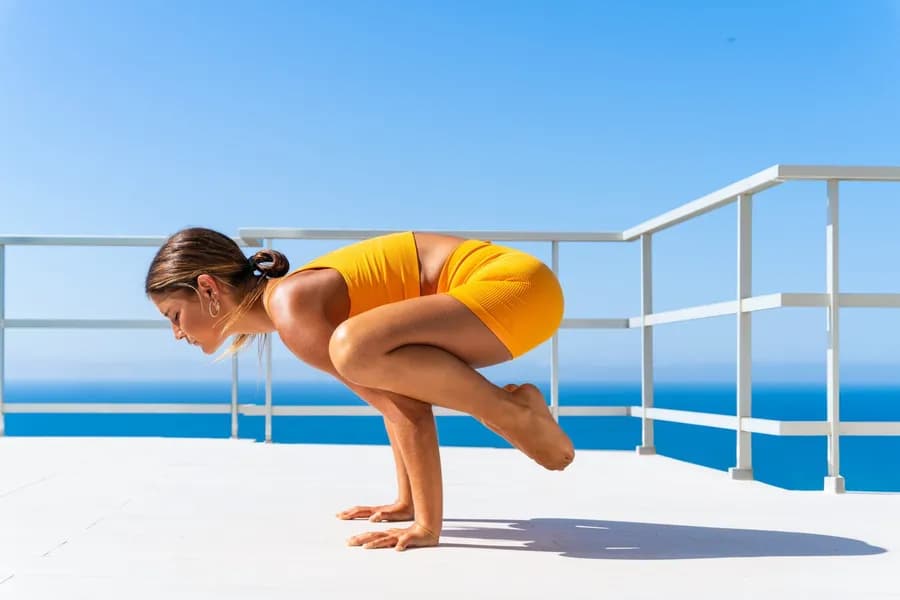
- Bakasana (Crow Pose, 5 breath hold) — Establishes the arm balance mechanics and mental confidence before the Padmasana-based version.
Variations of Kukkutasana
- Variation 1: Sukhasana Base Kukkutasana — Beginner Alternative Those not yet in full Padmasana practise Kukkutasana with a simple crossed-leg (Sukhasana) base — the arm threading through the crossed legs rather than through the full Lotus crossing. This variation develops the arm threading familiarity and lifting strength while the hip flexibility required for Padmasana continues to develop. It is the appropriate starting point for all practitioners building toward the full pose.
- Variation 2: Kukkutasana on Blocks — Intermediate Yoga blocks placed under the hands raise the floor level, reducing the range of motion required for the threading entry and making the lift accessible earlier in the development process. As the threading depth increases and arm strength builds, the blocks are progressively lowered until the hands reach the floor.
- Variation 3: Urdhva Kukkutasana — Advanced Urdhva Kukkutasana (Upward Rooster Pose) begins from a supported headstand with Lotus legs — the practitioner dropping the Lotus legs into the threaded position before lifting the hands off the head and balancing on the forearms in the inverted arm balance, or pressing up from Kukkutasana into a handstand with legs in Lotus. Requires full Kukkutasana mastery plus comfortable Sirsasana with Lotus legs.
Common Mistakes to Avoid in Kukkutasana
- Forcing the Arm Threading The threading must be gradual, patient, and completely relaxed — never forced through a tight gap between thigh and calf. Forced threading compresses the soft tissue, can strain the knee joint, and disrupts the calm concentration the pose requires. If the threading meets significant resistance, continue developing Padmasana depth and hip flexibility before returning.
- Attempting the Lift Before the Threading Is Deep Enough Insufficient threading depth — the arm not reaching past the midpoint of the lower leg — makes the lift mechanically impossible or unstable, as the legs have insufficient arm surface to rest on. Prioritise threading depth over the lift attempt: the deeper the threading, the more stable and effortless the lift becomes.
- Collapsing the Scapulae on Lifting The lift in Kukkutasana comes from pressing the floor away and protracting the scapulae — not from an abdominal crunch attempting to draw the legs upward. Practitioners who attempt to lift by crunching rather than by pushing typically collapse the shoulders inward, producing an unstable position and potential shoulder strain. The cue is: push the floor away as strongly as possible.
- Neglecting the Wrist Warm-Up Cold wrists bearing sudden full body weight are vulnerable to strain and impingement. A thorough five to ten minute wrist warm-up — circles, prayer stretches, and Chaturanga preparation — before every Kukkutasana session is non-negotiable. Never attempt the lift without adequate wrist preparation.
Who Should Practise Kukkutasana?
- Advanced Practitioners with Comfortable Padmasana Kukkutasana is specifically appropriate for practitioners who have achieved comfortable, stable Padmasana — held without discomfort for five or more minutes — and have the arm and core strength to support the lifted position. The Lotus prerequisite naturally defines the appropriate practitioner level, and no amount of arm strength substitutes for the hip flexibility that the threading requires.
- Arm Balance Enthusiasts Developing Their Complete Practice For practitioners whose primary focus is arm balance development — from Bakasana through to Handstand and Pincha Mayurasana — Kukkutasana represents a unique challenge: it combines the Padmasana flexibility requirement with the vertical balance mechanics and specific serratus strength that most other arm balances do not demand. Mastering Kukkutasana meaningfully deepens the complete arm balance repertoire.
- Those Developing Core Strength and Mental Focus The exceptional core strength and single-pointed concentration that Kukkutasana demands make it a specifically valuable practice for those whose primary yoga goals include the development of profound physical core capability and the fearless, alert mental presence that advanced arm balance practice uniquely cultivates.
- Is Kukkutasana Good for Beginners? Kukkutasana is not appropriate for beginners — its three prerequisites (comfortable Padmasana, Chaturanga strength, and threading flexibility) typically require six months to two years of consistent preparatory work to develop. However, beginners can begin the prerequisite journey immediately: working toward Padmasana, building Chaturanga and Navasana strength, and establishing Bakasana all contribute directly to the eventual Kukkutasana achievement.
Make Kukkutasana a Part of Your Practice
Kukkutasana is one of the classical Hatha yoga tradition’s most demanding and rewarding arm balances — its three-way integration of hip flexibility, arm strength, and mental composure creating a posture whose mastery represents genuine advancement in the complete yoga practice. The journey toward it is as valuable as the achievement itself: the progressive Padmasana work, the arm strength development, and the threading patience all cultivate the integrated capability that this classical rooster pose embodies.
Whether you are currently working on Padmasana accessibility, building Chaturanga and Navasana foundations, or refining the threading entry and lift mechanics of a nearly-complete Kukkutasana, the systematic prerequisite approach ensures that every stage of the journey is purposeful and safe. The Sukhasana base modification and the block variation make meaningful practice possible at every current stage.
The most effective way to develop Kukkutasana — with systematic prerequisite sequencing, threading technique guidance, and the lift mechanics that make the full Rooster Pose genuinely achievable — is under live expert instruction with Habuild’s daily sessions.
Start your 14 day free yoga journey with Habuild, today!
Related reads: Tittibhasana (Firefly Pose): Steps Benefits and Arm Balance Tips · Natarajasana (Dancer Pose): Steps and Balance Benefits
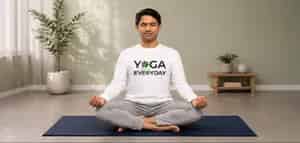
Cockerel Pose is an advanced arm balance, and Kukkutasana’s arm strength and core power don’t show up from attempting the full pose occasionally — they’re built through the preparatory work that comes before it, practiced consistently. Rushing straight to the full expression tends to just lead to falling out of it. Habuild’s Yoga Everyday program builds that preparatory strength into daily sessions, so advanced poses like this become achievable over time rather than forced.
Frequently Asked Questions
Related Articles
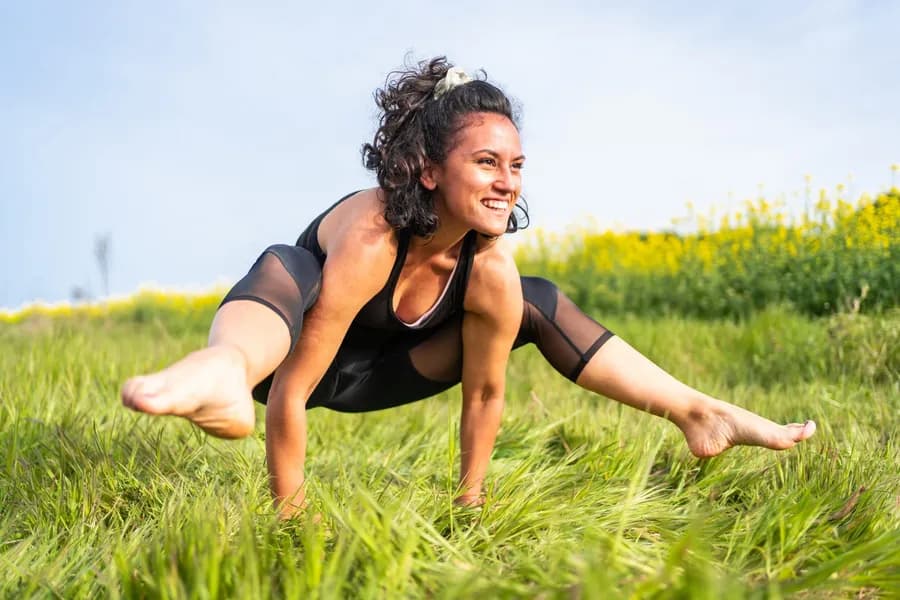
Tittibhasana (Firefly Pose): Steps Benefits and Arm Balance Tips
Explore Tittibhasana with Habuild. Discover tittibhasana benefits and learn to master the firefly pose yoga to build core strength and improve balance today!
Chaturanga Asana: Steps Alignment Tips and Upper Body Benefits
Practice Chaturanga Asana with Habuild. Follow the four-limbed staff pose steps to build arm and core strength and develop full-body stability. Start today!
Navasana (Boat Pose): Steps Core Strength and Digestive Benefits
Practice Navasana with Habuild. Follow the boat pose steps to strengthen your core, improve balance, and build the abdominal strength you need. Start today!
Bakasana (Crow Pose): Steps Strength Tips and How to Master It
Practice Bakasana with Habuild. Follow the crow pose steps to build core strength, improve wrist stability, and master your first arm balance. Start today!
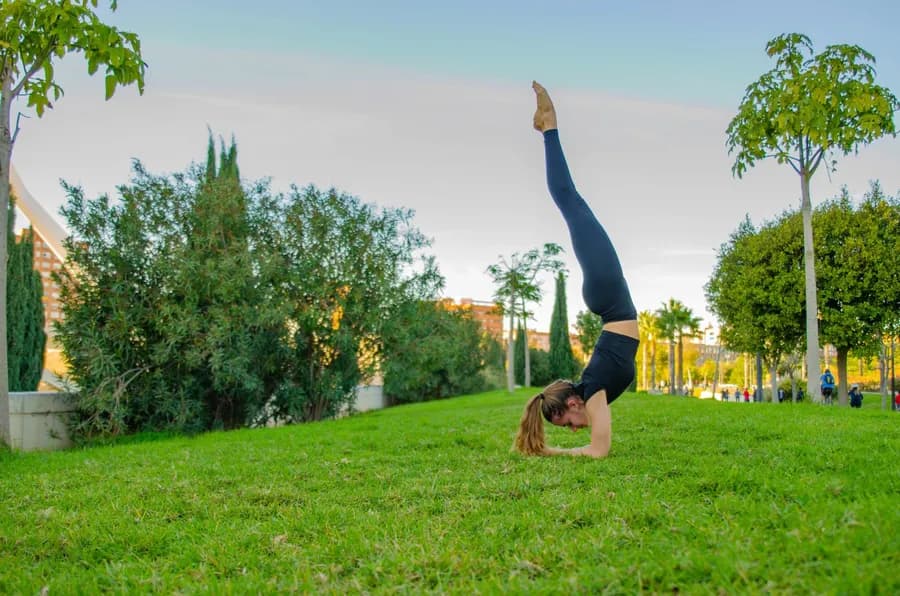
Pincha Mayurasana (Forearm Stand): Steps and Strength Benefits
Practice Pincha Mayurasana with Habuild. Follow forearm stand steps to build shoulder strength, improve balance, and advance your yoga practice. Start today!
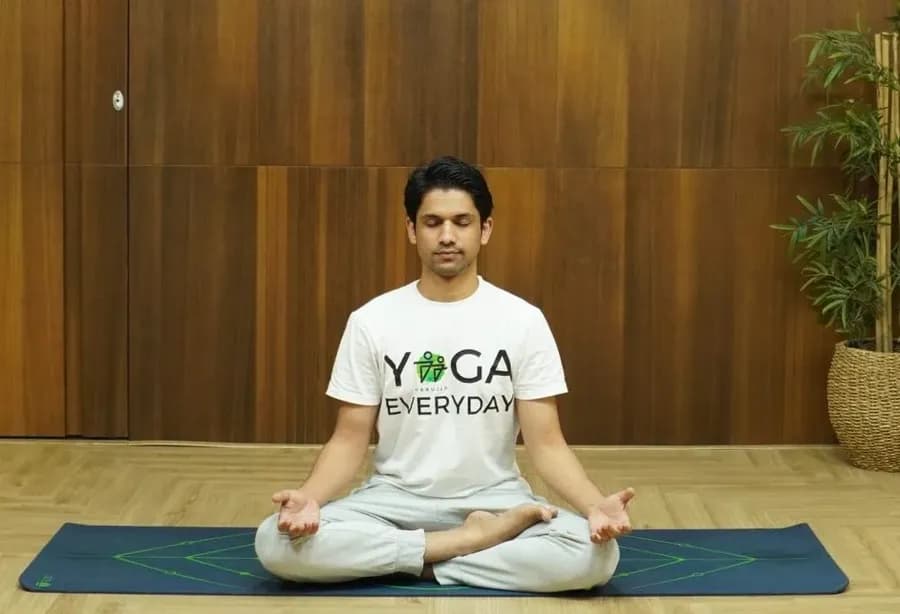
Padmasana Lotus Pose: Steps, Benefits & Guide
Padmasana, the Lotus Pose, is the foundational seat of meditation, pranayama, and classical yoga practice, creating a stable, grounded, symmetrically aligned seated base.