
Lakshmi Mudra (Gesture of Abundance): Steps, Benefits & Precautions
Fingers of both hands interlace while the index fingers and thumbs extend upward and press together, named after the goddess of prosperity. See the steps.

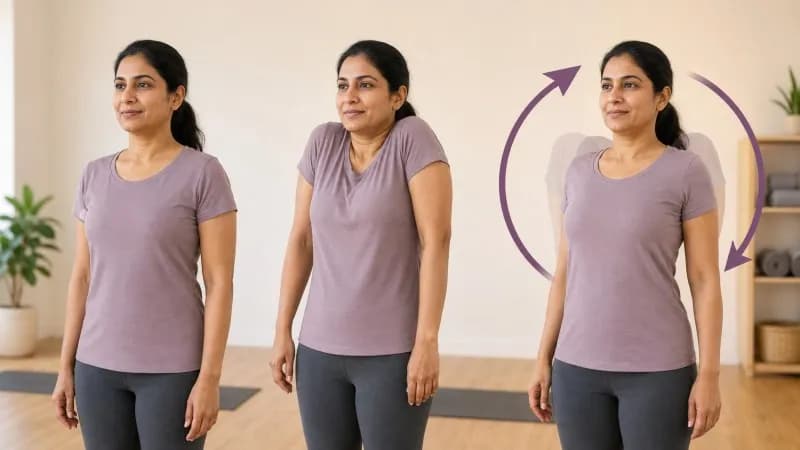
Key Takeaways
- Interlaces the fingers of both hands while index fingers and thumbs extend upward and touch.
- Named after Lakshmi, the Hindu goddess of prosperity and abundance.
- Associated with the water element and the Svadhisthana chakra governing creativity and emotion.
- The interlocking shape symbolizes giving and receiving energies meeting in balance.
- Finger interlacing is believed to gently stimulate lymphatic reflex points in the fingers.
- Forming the gesture requires sitting tall, naturally building postural awareness over time.
Lakshmi Mudra is a classical yoga hand gesture in which the fingers of both hands are interlaced while the index fingers and thumbs are extended upward and pressed together. Named after the Hindu goddess of prosperity, it is practised to cultivate emotional steadiness, mental clarity, and a grounded sense of inner abundance through consistent daily breath-linked sitting.
What is Lakshmi Mudra?
Lakshmi Mudra is a sacred hand gesture rooted in the ancient Indian tradition of mudra science — the practice of channelling life-force energy through deliberate finger positions. The name comes from the Sanskrit word Lakshmi, the Hindu goddess of prosperity, abundance, and well-being. Pronounced lahk-shmee moo-dra, this gesture is sometimes called the Gesture of Abundance or the Mudra of Prosperity in English-language yoga literature.
The mudra is formed by interlacing the fingers of both hands while keeping the index fingers, little fingers, and thumbs extended and touching their counterparts — creating a symmetrical, interlocked shape that is both precise and symbolic. The visual form mirrors the idea of two energies — giving and receiving — meeting in perfect balance.
Within the broader yoga system, mudras are considered subtle-body practices that complement asana and pranayama. Lakshmi Mudra specifically is associated with the water element and the Svadhisthana (sacral) chakra, which governs creativity, emotion, and a sense of inner fullness. It has traditionally been used during seated meditation and pranayama to encourage a mindset of openness and sufficiency — qualities the goddess Lakshmi is said to embody.
Lakshmi Mudra Benefits
The benefits of Lakshmi Mudra span the physical, energetic, and psychological dimensions of well-being. Regular, consistent practice — ideally as part of a daily yoga routine — is what creates lasting change.
Physical Benefits
- Supports the Lymphatic and Immune System The specific finger interlacing in Lakshmi Mudra is believed to gently stimulate the lymphatic reflex points in the fingers. When practised regularly, this may gradually support better circulation of lymph fluid, helping the body manage mild inflammation and sluggishness more effectively over time. It complements Pawanmuktasana practices aimed at releasing stagnation in the body.
- Activates the Sacral Region and Hormonal Balance Lakshmi Mudra’s connection to the Svadhisthana chakra means it is associated with the pelvic and reproductive region. Holding the mudra during slow, conscious breathing may gradually support hormonal regulation, particularly for those dealing with stress-related hormonal fluctuations. This is not a medical treatment — it works best when part of a consistent daily yoga practice.
- Improves Posture and Seated Alignment Awareness Forming and holding Lakshmi Mudra requires you to sit tall with your spine lengthened, creating a natural opportunity to build postural awareness. Over weeks of practice, this mindful seated position can contribute to better spinal alignment throughout the day — a benefit that runs parallel to poses like Sukhasana, which is often the base posture used when practising this mudra.
- Cultivates a Sense of Abundance and Emotional Openness One of the most celebrated Lakshmi Mudra benefits is its ability to gently shift the practitioner’s internal orientation from scarcity to sufficiency. Holding the gesture while breathing slowly helps create a feeling of emotional spaciousness. Over time, many practitioners report a quieter, less reactive emotional tone — particularly around financial stress and personal insecurity.
Mental and Emotional Benefits
- Reduces Anxiety and Supports a Calmer Nervous System The act of interlacing the fingers and holding a still, intentional shape sends a signal of safety to the nervous system. Combined with slow diaphragmatic breathing, Lakshmi Mudra may gradually ease the restlessness and low-level anxiety that many people carry through the day. It is a simple practice with a surprisingly grounding effect when done consistently every morning.
- Sharpens Focus and Mental Clarity Because the mudra requires gentle attention to finger placement and breath rhythm, it naturally draws the mind away from distraction. This focused quality makes it a useful practice before work, study, or any activity requiring sustained concentration. Think of it as a brief mental reset — one that costs nothing and takes less than ten minutes.
How to Do Lakshmi Mudra — Step-by-Step Instructions
Learning how to do Lakshmi Mudra correctly is straightforward, but the details matter. Small alignment errors can dilute the effect. Follow each step carefully.
Key Principles
Practise on an empty or light stomach. Choose a quiet space where you can sit undisturbed for at least 5–15 minutes. The best times are early morning, before meals, or just before sleep. Consistency matters far more than duration — even five minutes daily will yield more benefit than a 30-minute session done once a week.
Step 1: Starting Position
Sit in a comfortable crossed-leg position — Sukhasana or Padmasana both work well. Place your hands on your knees, palms facing upward. Close your eyes, take three natural breaths, and allow your shoulders to soften away from your ears. Your spine should be upright but not rigid.
Step 2: Interlace the Fingers
Bring both hands in front of your navel. Begin interlacing the middle, ring, and little fingers — right hand over left so that the fingers of each hand slot between those of the other. Keep the interlacing relaxed, without squeezing. You should feel gentle contact, not pressure.
Step 3: Extend the Index Fingers
Release the index fingers from the interlace and extend them upward so that their tips touch each other, pointing away from the body. Keep them straight — this forms the central pillar of the mudra’s shape. Avoid letting the index fingers splay apart or curve inward.
Step 4: Join the Thumbs
Bring the thumbs together so they press side-by-side, pointing upward alongside the index fingers. The thumb tips should be level with each other. This paired upward point — index fingers and thumbs — is the defining characteristic that distinguishes Lakshmi Mudra from similar hand gestures.
Step 5: Final Position and Hold
Hold the completed mudra at the level of your lower abdomen or navel. Rest it lightly against your body or keep it slightly away — either is fine. Soften your face, lower your gaze or close your eyes, and begin slow, rhythmic breathing. Hold for 5–15 minutes. Feel a sense of settled openness in your chest.
Step 6: How to Come Out of Lakshmi Mudra
After your chosen duration, take one deep, slow breath in. As you exhale, gently release the finger interlace and let both hands drift back to rest on your knees, palms upward. Sit quietly for one or two more breaths before opening your eyes. Avoid jumping up immediately — let the effects settle.
Breathing in Lakshmi Mudra
Breathe slowly and evenly through the nose. Aim for an inhale count of 4–5 seconds and an exhale count of 6–8 seconds, making the exhale slightly longer. This pattern activates the parasympathetic nervous system, which deepens the mudra’s calming and centering effect. You can silently repeat an intention — such as gratitude or abundance — on each exhale if it helps you stay present.
Preparatory Poses Before Lakshmi Mudra
While Lakshmi Mudra itself requires no physical warm-up in the way an inversion does, arriving at your seat with a calm body helps enormously. These brief preparatory poses prepare the hips, spine, and wrists for comfortable seated practice.
- Balasana (Child’s Pose) — Releases tension in the hips and lower back so you can sit upright without discomfort during the mudra practice.
- Wrist Circles — Spend 30 seconds rotating each wrist gently in both directions. This loosens the small joints that will be engaged in forming and holding the mudra.
- Seated Forward Fold — A gentle fold from your cross-legged seat lengthens the lower back and signals to the nervous system that it is time to slow down.
- Neck Rolls — Three slow rotations in each direction release the cervical tension that can build during the day and interrupt comfortable sitting.
Variations of Lakshmi Mudra
Variation 1: Simplified Lakshmi Mudra (Beginner Version)
Difficulty: Beginner
If the full interlacing of all four middle fingers feels awkward at first, start by simply pressing the palms together at the heart, extend only the index fingers upward with tips touching, and let the thumbs press side-by-side. This simplified version captures the essential energetic intention of the mudra while your finger dexterity builds with practice.
Variation 2: Lakshmi Mudra with Pranayama (Breath-Linked Version)
Difficulty: Intermediate
Hold the full mudra and pair it with Nadi Shodhana (alternate nostril breathing) using your free hand. The left hand maintains the mudra at the navel while the right hand guides the breath. This combination deepens the balancing effect on the nervous system and is a well-established practice in classical pranayama traditions.
Variation 3: Walking Lakshmi Mudra (Dynamic Version)
Difficulty: Intermediate–Advanced
Form the mudra while walking slowly in a meditative garden or quiet indoor space. The addition of gentle rhythmic movement integrates the mudra’s grounding quality into the body kinesthetically. This is particularly useful for those who find it difficult to sit still but still want to build a daily mudra habit.
Variation 4: Lakshmi Mudra in Savasana (Reclining Version)
Difficulty: Beginner
Lie flat on your back and form Lakshmi Mudra on your abdomen with your hands resting on your belly. Breathe naturally and feel the gentle rise and fall of your hands with each breath. This version is ideal for those managing fatigue, dealing with insomnia, or simply winding down at the end of the day.
Common Mistakes to Avoid in Lakshmi Mudra
- Incorrect Finger Interlacing Order Many beginners interlace all fingers including the index fingers, losing the extended upward point. Remember: only the middle, ring, and little fingers interlace. The index fingers and thumbs remain extended and touching their counterparts at all times.
- Collapsing the Spine Slumping forward during the hold compresses the abdomen and chest, limiting the breathing quality the mudra depends on. Actively lengthen your spine upward from the tailbone through the crown of the head before and during the hold. Think of a gentle lift, not a forced rigidity.
- Holding the Mudra with Tension The fingers should be in firm contact but not squeezed. White knuckles and taut forearm muscles indicate excess effort. Ease off until the shape feels light and intentional rather than strained. Tension in the hands translates directly into tension in the mind.
- Practising for Too Short a Time Holding the mudra for less than three minutes rarely produces noticeable results. Aim for a minimum of five minutes per session. The effects accumulate gently over sustained holds — this is not a practice where more reps is the answer.
- Skipping the Breath Awareness Lakshmi Mudra is not a passive hand shape. The breath is the activating force. Practitioners who form the gesture while remaining mentally scattered — scrolling, watching TV — miss much of the benefit. Even five minutes of genuine breath awareness multiplies the effect of the mudra significantly.
- Expecting Immediate Dramatic Results Mudra practice works subtly and cumulatively. The most common mistake is abandoning a practice after two or three sessions because nothing felt dramatic. Give it at least three weeks of daily practice before evaluating. Consistency is the actual mechanism — not the individual session.
Who Should Practise Lakshmi Mudra?
- Those Dealing with Stress, Anxiety, or Financial Worry People navigating high-pressure environments — demanding careers, financial uncertainty, or life transitions — often find Lakshmi Mudra a grounding daily ritual. The mudra supports a gradual shift in emotional tone from reactivity to steadiness when practised consistently. It is not a replacement for professional support, but it is a meaningful daily anchor.
- Those Seeking to Build a Sense of Inner Abundance Lakshmi Mudra for wealth is less about material manifestation and more about cultivating the inner orientation that makes clear thinking and confident action possible. Practitioners who pair it with journaling or intention-setting often report a more settled, purposeful relationship with their goals over time.
- Is Lakshmi Mudra Good for Beginners? Yes — it is one of the most accessible mudras in the traditional repertoire. There are no joint flexibility requirements, no balance demands, and no risk of injury. If the full interlace feels unfamiliar at first, start with the simplified beginner variation described above and work toward the full form over a few days. A live guided session can help you confirm your hand placement from the very first practice.
- Working Professionals and Students Anyone who needs focused, clear mental energy for creative or cognitive work will find Lakshmi Mudra a useful morning practice. Five to ten minutes before your first meeting or study session — paired with conscious breathing — can set a more grounded, less reactive tone for the hours that follow. It fits easily into even the most compressed morning routine alongside a broader yoga practice like Surya Namaskara.
Make Lakshmi Mudra a Part of Your Life
Lakshmi Mudra is a precise, accessible hand gesture drawn from India’s classical yoga tradition. Its key benefits — supporting emotional steadiness, mental clarity, and a grounded sense of inner sufficiency — emerge gradually with daily practice, particularly when paired with conscious breathing in a quiet seated posture.
Whether you are a complete beginner or someone returning to yoga after a gap, Lakshmi Mudra meets you where you are. The simplified variation removes any finger-dexterity barrier, and modifications mean there are very few reasons not to start today. What matters most is that you practise consistently — ideally every morning, even for just five minutes.
The clearest path to learning Lakshmi Mudra correctly is under live guidance, where a teacher can see your hand placement, cue your breath, and help you build the habit sustainably. Habuild’s live online yoga sessions are built precisely for this — structured, warm, and designed for real people with real schedules.
Frequently Asked Questions
Related Articles
Padmasana Lotus Pose: Steps, Benefits & Guide
Padmasana, the Lotus Pose, is the foundational seat of meditation, pranayama, and classical yoga practice, creating a stable, grounded, symmetrically aligned seated base.

Vajrasana: How to Do It Benefits and Precautions
Practice vajrasana pose with Habuild. Try vajrasana to ease digestion, reduce back pain, and calm your mind. Ideal for all levels. Start your session today!

Mandukasana (Frog Pose): Steps Benefits for Diabetes and Digestion
Practice mandukasana with Habuild. Master the mandukasana pose to improve digestion, open the hips, and relieve abdominal tension. Start your yoga session!
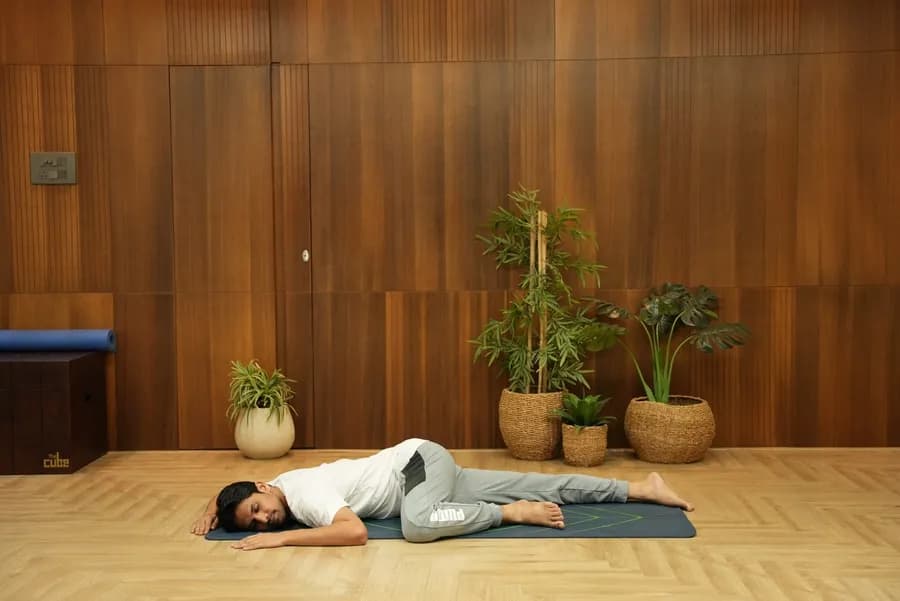
Makarasana (Crocodile Pose): Steps and Relaxation Benefits
Try makarasana with Habuild. Explore the makarasana pose to relieve back pain, reduce stress, and improve your spinal flexibility. Start your yoga today now!
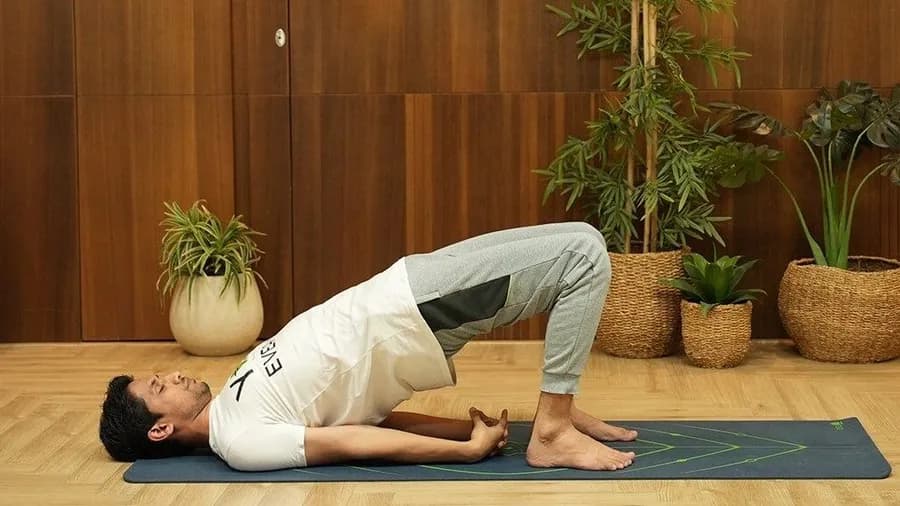
Setu Bandhasana (Bridge Pose): Steps Benefits and Modifications
Try setu bandhasana with Habuild. Master the setu bandhasana bridge pose to strengthen your spine, open the chest, and reduce stress. Start your session now!