

Habitology
Expert guidance on yoga, wellness, nutrition, ayurveda, and the habits that transform every morning.
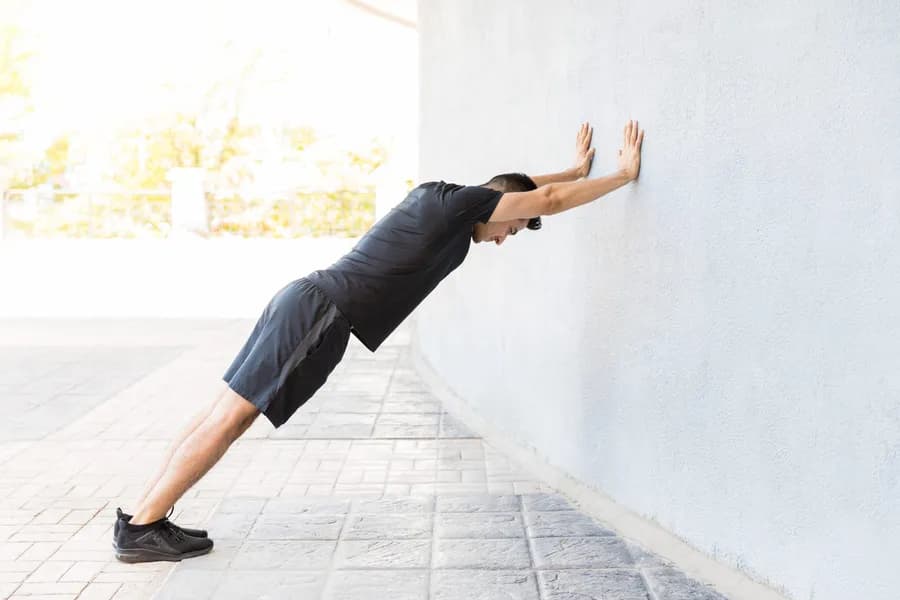
How to Do Push Ups for Beginners: Step-by-Step from Zero to 20 Reps
The correct progression runs wall push-ups to incline to knee to standard, taking most beginners from zero to 20 consecutive reps in 6-8 weeks. See the step-by-step guide.
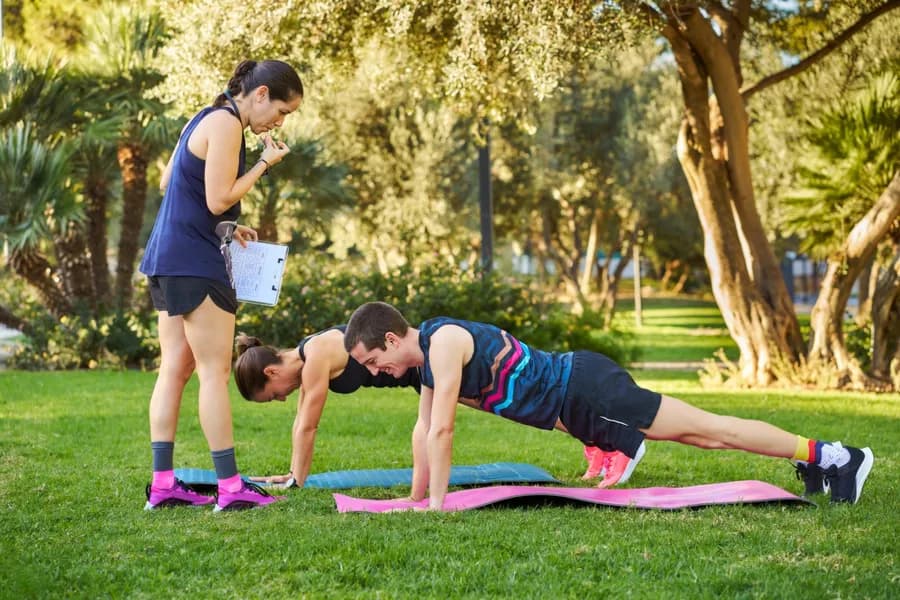
How to Do a Plank Properly: Step-by-Step Guide for Beginners
A correctly done plank activates the core, shoulders, glutes, and back muscles at once, but most people make form errors that eliminate the benefit entirely. See the step-by-step guide.

How Many Push-Ups per Day to Build Muscle: the Honest Answer
Push-up volume for real muscle growth depends on training age, current strength, rep range, and whether progressive overload is actually being applied — not a round number. See the evidence-based answer.

How Many Jumping Jacks to Burn 500 Calories: the Honest Calculation
The number depends on body weight, exercise intensity, and metabolic efficiency in ways most online calculators ignore. See the weight-adjusted calculation.

Benefits of Jumping Jacks: Full Body Cardio, Coordination and Fat Burn
This full-body, no-equipment movement elevates heart rate, engages the upper and lower body, challenges coordination, and stimulates the lymphatic system at zero cost. See the complete evidence base and correct technique.

Benefits of Sit-Ups for Females: Core Strength, Posture and Functional Fitness
Done with correct form, sit-ups develop the rectus abdominis and hip flexors and improve functional core strength for daily activities, despite common misconceptions about back safety. See the full evidence base.
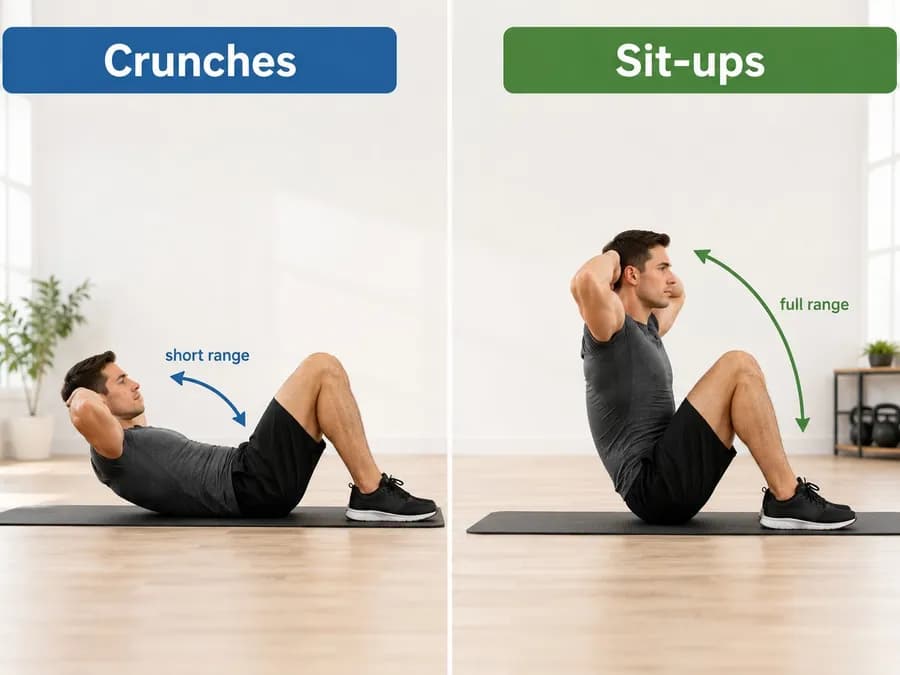
Difference between Crunches and Sit-Ups: Which One Should You Do?
Crunches isolate the rectus abdominis through a short-range spinal flexion; sit-ups involve the full range with significant hip flexor contribution and higher lumbar disc load. See which is appropriate for your goals and spine health.
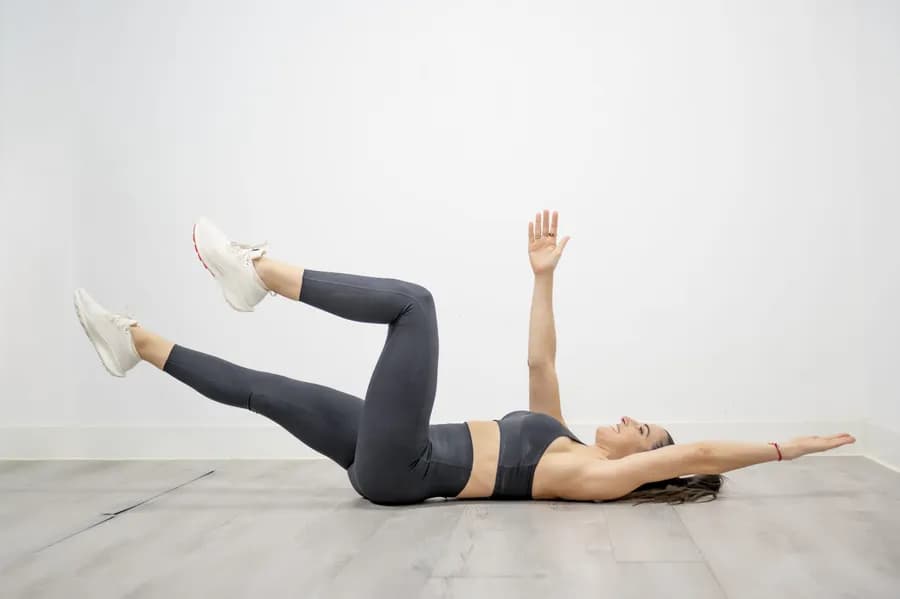
How to Do Dead Bug Exercise: Step-by-Step Guide for Deep Core Stability
This clinically supported core exercise builds transverse abdominis activation and anti-rotation strength with zero compressive load on the spine — but is almost always performed incorrectly. See the step-by-step guide.
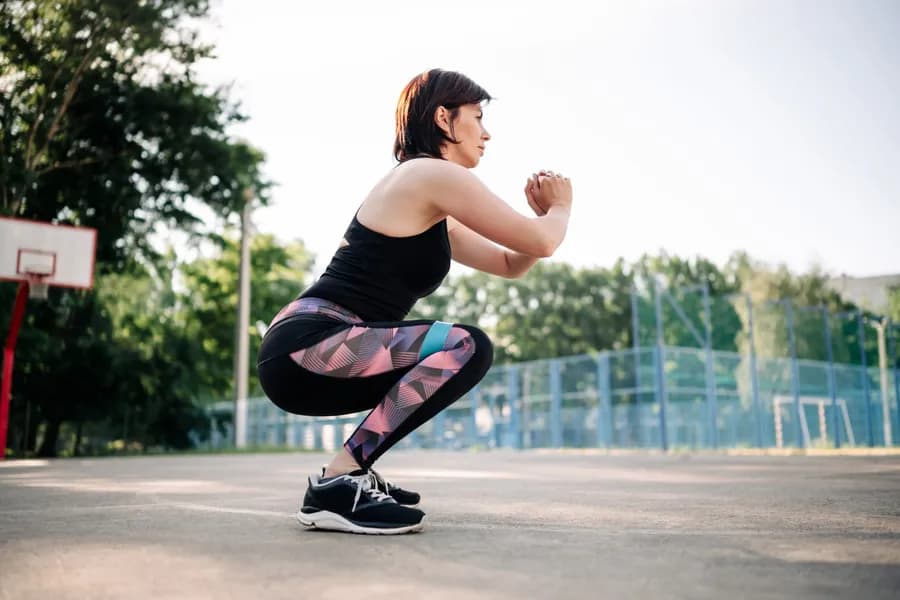
How to Do a Squat: Proper Form, Variations, and a Daily Squat Workout That Works
Done right, the squat builds quad, glute, hamstring, and core strength in one movement — done wrong, it produces knee pain and back pain. See the proper form, variations, and daily workout.
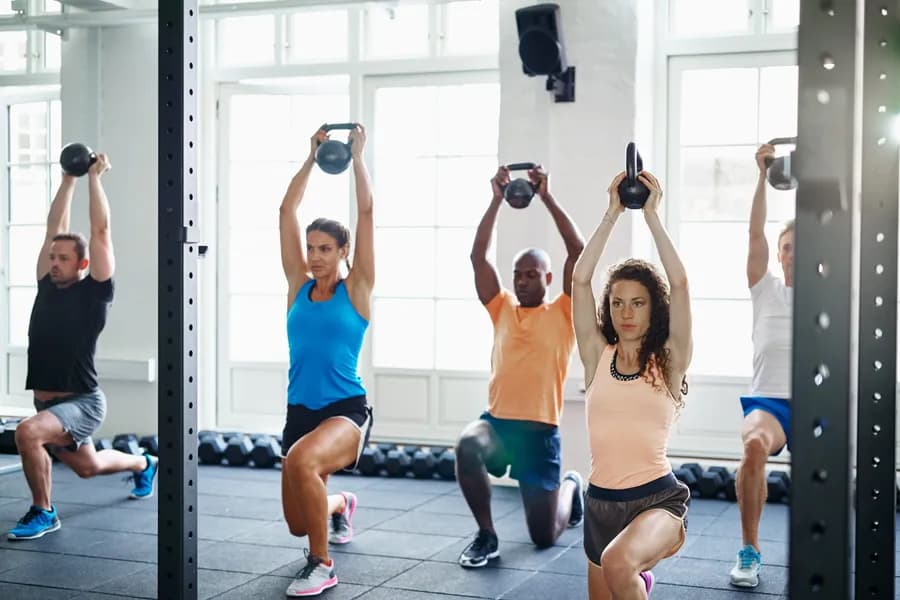
What Are the Benefits of Strength Training? 7 Evidence-Based Benefits That Transform Health
Strength training reduces all-cause mortality risk, prevents age-related disability, and builds bone density across every age group and sex within 8-12 weeks. See all 7 evidence-based benefits.
Ready to Start?
Join a Community of 2Cr+ Members. 14-Day Online | Free Yoga
Daily yoga, strength training, health programs and a lot more - all in one place.